Lost Sounds

Rock
Garage Rock
 Viberate Rank: 253180
 Viberate Rank: 253180
 Monthly ListenersFollowers
 Subscribers
 Followers
 Followers
 FansTop Spotify Songs
| Track | 7-Day Streams | |
|---|---|---|
1 | 890 | |
2 | 406 | |
3 | 406 | |
4 | 304 | |
5 | 251 |
Top YouTube VideosMonthly ListenersFeatured in Playlists| Playlist | Followers | |
|---|---|---|
1 |  FENRIZ METAL Gylve | 32.35K |
2 |  lo-fi / garage rock / post-punk / punk / shoegaze / indie rock / noise rock Timo Tiivas | 6.89K |
3 |  Henry Rollins KCRW radioshow Roadrunner Music | 3.56K |
4 |  The Sound of Synth Punk The Sounds of Spotify | 3.22K |
5 |  POST VOID Josef Martinovsky | 3.11K |
Audience| City | Monthly Listeners | |
|---|---|---|
1 | | 123 |
2 | | 115 |
3 | | 84 |
4 | | 69 |
5 | | 58 |
See full performance history, audience data, playlist activity, rankings, comparisons, and more in Viberate music analytics. Start with a free trial, then continue with a paid plan.
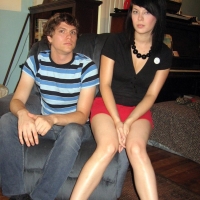
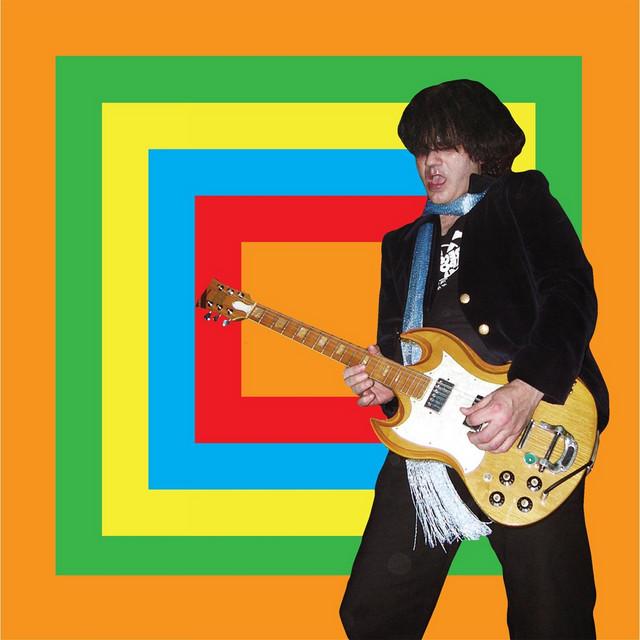
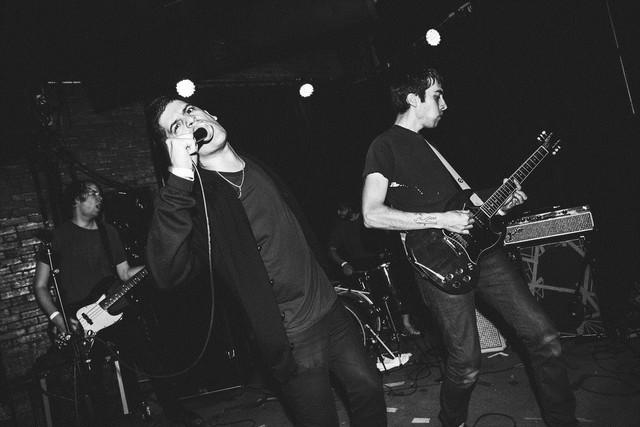
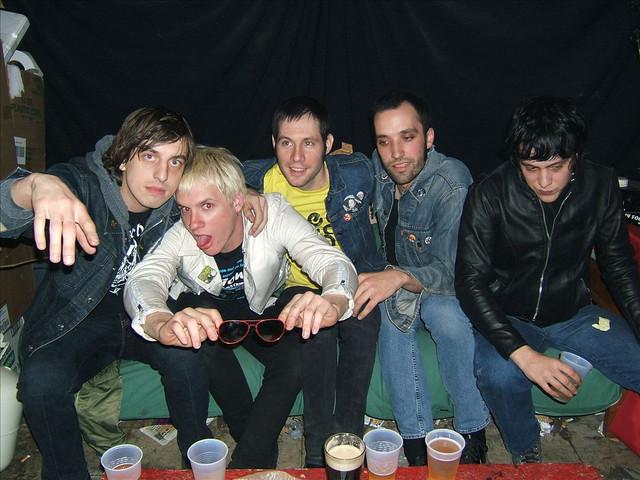
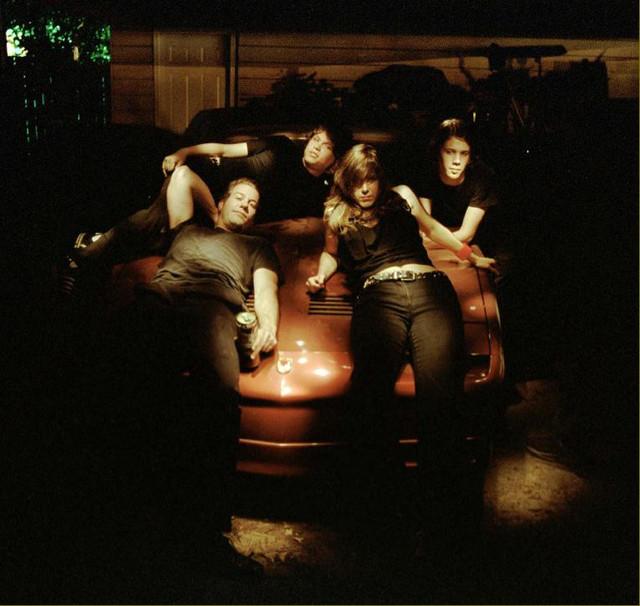
Lost Sounds’ Spotify BioOne of the longest-lived and most prolific projects for Memphis garage-punk icon Jay Reatard, Lost Sounds combined the manic energy and hard emotional edges of his earlier band the Reatards with a more moody and melodic approach, as synthesizers joined noisy guitars and pummeling drums in the lineup in a manner that sometimes recalled the sonic attack of synth punk pioneers like the Screamers and Suicide. Jay Reatard formed Lost Sounds in the spring of 1999, joining forces with Alicja Trout (who had began working with synthesizers in her short-lived group the Clears) and Rich Crook; Reatard and Trout both sang and played guitars and keys, while Crook was the new band's drummer. Lost Sounds wasted little time documenting their music, with a four-song 7" EP appearing in 2000 on Solid Sex Lovie Doll Records, while Big Neck Records issued their first full-length album, Memphis Is Dead, in 2001. A second album, Black-Wave, appeared later the same year via Empty Records (the title came from… a subgenre someone coined for the group, a fusion of new wave and black metal); a steady stream of singles, compilation tracks, and limited-edition CD-Rs of demos and rehearsal sessions also found their way into the marketplace and Lost Sounds developed a reputation for musical ambition and hard work, though they were also known for their appetite for alcohol and propensity for arguments (several different bassists floated through the lineup, sometimes leading the band to do without one altogether). A third proper album, Rats Brains & Microchips, was issued by Empty in 2002, and in 2004 Lost Sounds signed with noted garage punk label In the Red Records; that year they released an EP, Future Touch, and a full-length LP simply called Lost Sounds. The band toured the United States several times in support of its first few albums, and after inking with In the Red they traveled to Europe, but Lost Sounds' internal volatility began catching up with them, and as they reported on their own website, "Lost Sounds disbanded abruptly yet not unexpectedly in 2005." After the breakup, Reatard briefly revived the Reatards before launching a successful solo career. Trout went on to work with the bands Nervous Patterns, River City Tanlines, and Black Sunday, and she releases music through her indie label Contaminated Records. Crook leads the band Lover! and plays drums with the Knaughty Knights. ~ Mark Deming, Rovi
Viberate is a music analytics platform built for A&Rs, artist managers, labels, booking agents, marketers, and artists.
It helps music professionals track artist growth, analyze audience data, monitor playlist activity, compare artists, follow song performance, and identify opportunities across the music market.
Public artist pages provide a free preview of selected artist data. Paid plans provide access to deeper analytics, historical data, charts, comparisons, playlist tools, exports, alerts, reports, and additional professional features.
Yes. Public Viberate artist pages provide selected artist analytics and music data for free.
Viberate also offers a 7-day free trial of the full platform. A credit card is required to start the trial. The trial includes access to the complete product so users can test deeper artist analytics, historical views, playlist insights, comparisons, charts, exports, alerts, and reporting features before choosing a paid plan.
Viberate provides artist analytics across streaming, playlists, social media, video, radio airplay, songs, and audience markets.
Users can analyze Spotify performance, Spotify and Apple Music playlists, YouTube activity, TikTok and Instagram growth, radio spins, song performance, audience locations, demographics, rankings, and overall artist momentum.
Artist profiles also connect to music charts, similar artists, and comparison tools, helping users benchmark performance and evaluate artists in context.
Viberate updates key artist and track data daily.
For followed artists and tracks, selected data is refreshed multiple times per day. This helps teams monitor playlist changes, streaming movement, audience growth, releases, and campaign performance with more current data.
Update frequency can vary depending on the metric and data source.
Yes. Viberate lets users compare up to five artists side by side across streaming, social media, audience, and engagement metrics.
Users can compare fanbase growth, audience demographics, locations, Spotify performance, social metrics, and other artist data over selected time periods.
Artist comparison can be used for A&R scouting, benchmarking, booking decisions, campaign planning, and evaluating artists with similar audiences or market positions.