Ex-Cult

Punk
Punk Rock
Garage Rock
 Viberate Rank: 305873
 Viberate Rank: 305873
 Monthly ListenersFollowers
 Subscribers
 Followers
 Followers
 FansTop Spotify Songs
| Track | 7-Day Streams | |
|---|---|---|
1 | 548 | |
2 | 165 | |
3 | 100 | |
4 | 72 | |
5 | 62 |
Top YouTube VideosMonthly ListenersFeatured in Playlists| Playlist | Followers | |
|---|---|---|
1 | EGG PUNK (the eggiest) namenames | 18.66K |
2 |  Here & Now DJ Sessions from NPR and WBUR (updated weekly) Here & Now | 10.97K |
3 |  lo-fi / garage rock / post-punk / punk / shoegaze / indie rock / noise rock Timo Tiivas | 6.89K |
4 |  Garage Punk Jorge Ramos | 5.89K |
5 |  Garage Punk / Lo-Fi Nick Seaney | 5.40K |
Audience| City | Monthly Listeners | |
|---|---|---|
1 | | 98 |
2 | | 58 |
3 | | 52 |
4 |  | 45 |
5 | | 41 |
See full performance history, audience data, playlist activity, rankings, comparisons, and more in Viberate music analytics. Start with a free trial, then continue with a paid plan.
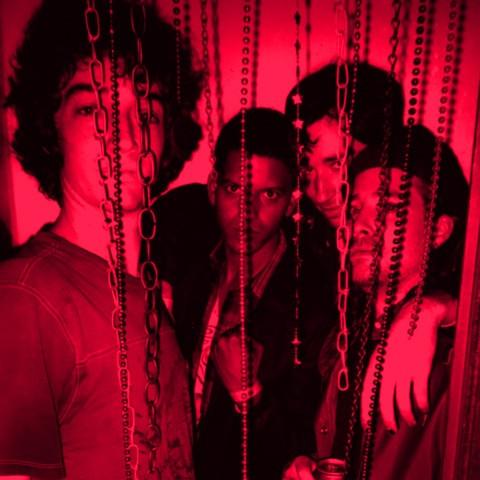
Ex-Cult’s Spotify BioSounding lean, wiry, and frantic as they spit out fuzzy bad-vibe anthems of bitterness and accusation, Ex-Cult are a fierce punk rock band from Memphis. The group was formed in 2011 by vocalist Chris Shaw, formerly of Vile Nation, and drummer Michael Peery, who worked with the band Magic Kids. Recruiting bassist Natalie Hoffmann and guitarists J.B. Horrell and Alec McIntyre, the new band took the name Sex Cult and released its first single through respected Memphis punk label Goner Records in September 2011. Shaw had struck up a friendship with San Francisco garage punk guru Ty Segall, and after Segall saw Sex Cult perform at the 2012 South by Southwest Music Conference, he volunteered to produce the band's first album. The group took Segall up on his offer, and headed to San Francisco for sessions with Segall and engineer Eric Bauer, but not before changing its name to Ex-Cult. Ex-Cult's self-titled debut album was released by Goner in late 2012, and earned enthusiastic reviews from… the music press. Following extensive touring, including a string of dates opening for Segall, Ex-Cult began work on their second album, and Midnight Passenger arrived in April 2014. The group hit the road with a vengeance after the LP dropped, and in July 2014, Ex-Cult announced they'd changed their lineup, with Hoffmann out and Frank McLallen in on bass. After another visit to the recording studio, Ex-Cult had a new EP to add to their catalog, and Cigarette Machine was released by Castle Face Records in February 2015. After Shaw took time out to record an album with GØGGS, a band he formed with Segall and Fuzz's Charles Moothart, Ex-Cult went back to California for a week to record with Segall again. The resulting album, Negative Growth, was released by Goner in September of 2016. ~ Mark Deming, Rovi
Viberate is a music analytics platform built for A&Rs, artist managers, labels, booking agents, marketers, and artists.
It helps music professionals track artist growth, analyze audience data, monitor playlist activity, compare artists, follow song performance, and identify opportunities across the music market.
Public artist pages provide a free preview of selected artist data. Paid plans provide access to deeper analytics, historical data, charts, comparisons, playlist tools, exports, alerts, reports, and additional professional features.
Yes. Public Viberate artist pages provide selected artist analytics and music data for free.
Viberate also offers a 7-day free trial of the full platform. A credit card is required to start the trial. The trial includes access to the complete product so users can test deeper artist analytics, historical views, playlist insights, comparisons, charts, exports, alerts, and reporting features before choosing a paid plan.
Viberate provides artist analytics across streaming, playlists, social media, video, radio airplay, songs, and audience markets.
Users can analyze Spotify performance, Spotify and Apple Music playlists, YouTube activity, TikTok and Instagram growth, radio spins, song performance, audience locations, demographics, rankings, and overall artist momentum.
Artist profiles also connect to music charts, similar artists, and comparison tools, helping users benchmark performance and evaluate artists in context.
Viberate updates key artist and track data daily.
For followed artists and tracks, selected data is refreshed multiple times per day. This helps teams monitor playlist changes, streaming movement, audience growth, releases, and campaign performance with more current data.
Update frequency can vary depending on the metric and data source.
Yes. Viberate lets users compare up to five artists side by side across streaming, social media, audience, and engagement metrics.
Users can compare fanbase growth, audience demographics, locations, Spotify performance, social metrics, and other artist data over selected time periods.
Artist comparison can be used for A&R scouting, benchmarking, booking decisions, campaign planning, and evaluating artists with similar audiences or market positions.