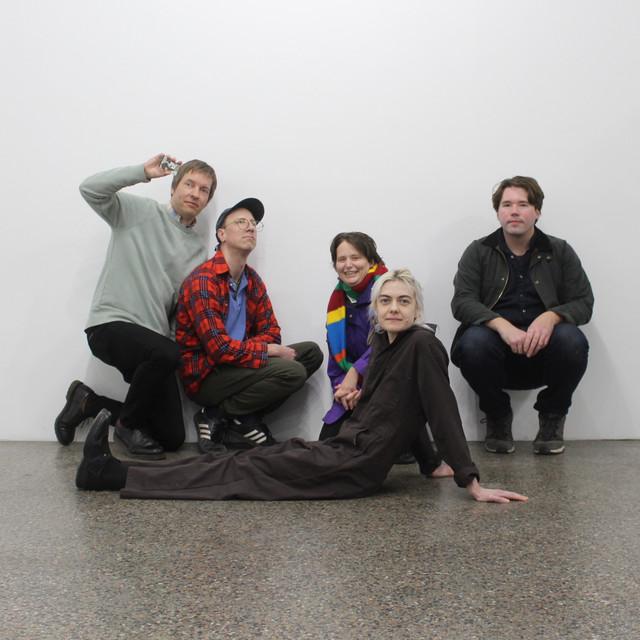
Angry Angles

Rock
Garage Rock
Punk Rock
 Viberate Rank: 392648
 Viberate Rank: 392648
 Monthly ListenersFollowers
 Subscribers
 Followers
 Followers
 FansTop Spotify Songs
| Track | 7-Day Streams | |
|---|---|---|
1 | 349 | |
2 | 146 | |
3 | 116 | |
4 | 94 | |
5 | 78 |
Top YouTube VideosMonthly ListenersFeatured in Playlists| Playlist | Followers | |
|---|---|---|
1 | EGG PUNK (the eggiest) namenames | 18.66K |
2 | Pitchfork 2017: Best New Tracks (2009 - Now) Kristof De Beuf | 6.67K |
3 |  Garage Punk / Lo-Fi Nick Seaney | 5.40K |
4 |  Henry Rollins KCRW radioshow Roadrunner Music | 3.56K |
5 | 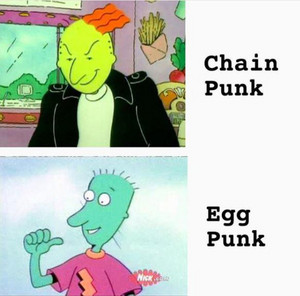 egg punk vs chain punk meltedjoyy | 3.50K |
Audience| City | Monthly Listeners | |
|---|---|---|
1 | | 65 |
2 | | 42 |
3 | | 38 |
4 | | 38 |
5 | | 28 |
See full performance history, audience data, playlist activity, rankings, comparisons, and more in Viberate music analytics. Start with a free trial, then continue with a paid plan.
Angry Angles’ Spotify BioJay Reatard's final full-band project before embarking on his acclaimed solo career, Angry Angles turned punk, new wave, and girl-group pop into their own high-octane sound on a handful of singles and EPs. The group formed in 2005 after Reatard's previous band Lost Sounds ended, and featured Alix Brown of Atlanta's Lids (who was also Reatard's girlfriend at the time), and drummers that included Die Rotzz's Paul Artigues and Ryan Rousseau of Tokyo Electron and Destruction Unit. Angry Angles released its thundering debut single "Things Are Moving" in 2005 on Brown and Reatard's Shattered Records imprint, following it with the "Blockhead" single on Germany's P. Trash label, and a three-way split EP with the Reatards and Tokyo Electron that served as a souvenir of the group's European tour late that year. In 2006, the band issued the "Apparent-Transparent" single, a split with Digital Leather, and appeared at that year's South by Southwest Festival. Later that year, however, Brown and Reat…ard's breakup spelled the end for Angry Angles. In 2016, Goner collected all of Angry Angles' recorded music -- including several previously unreleased songs -- in a self-titled compilation. ~ Heather Phares, Rovi
Viberate is a music analytics platform built for A&Rs, artist managers, labels, booking agents, marketers, and artists.
It helps music professionals track artist growth, analyze audience data, monitor playlist activity, compare artists, follow song performance, and identify opportunities across the music market.
Public artist pages provide a free preview of selected artist data. Paid plans provide access to deeper analytics, historical data, charts, comparisons, playlist tools, exports, alerts, reports, and additional professional features.
Yes. Public Viberate artist pages provide selected artist analytics and music data for free.
Viberate also offers a 7-day free trial of the full platform. A credit card is required to start the trial. The trial includes access to the complete product so users can test deeper artist analytics, historical views, playlist insights, comparisons, charts, exports, alerts, and reporting features before choosing a paid plan.
Viberate provides artist analytics across streaming, playlists, social media, video, radio airplay, songs, and audience markets.
Users can analyze Spotify performance, Spotify and Apple Music playlists, YouTube activity, TikTok and Instagram growth, radio spins, song performance, audience locations, demographics, rankings, and overall artist momentum.
Artist profiles also connect to music charts, similar artists, and comparison tools, helping users benchmark performance and evaluate artists in context.
Viberate updates key artist and track data daily.
For followed artists and tracks, selected data is refreshed multiple times per day. This helps teams monitor playlist changes, streaming movement, audience growth, releases, and campaign performance with more current data.
Update frequency can vary depending on the metric and data source.
Yes. Viberate lets users compare up to five artists side by side across streaming, social media, audience, and engagement metrics.
Users can compare fanbase growth, audience demographics, locations, Spotify performance, social metrics, and other artist data over selected time periods.
Artist comparison can be used for A&R scouting, benchmarking, booking decisions, campaign planning, and evaluating artists with similar audiences or market positions.