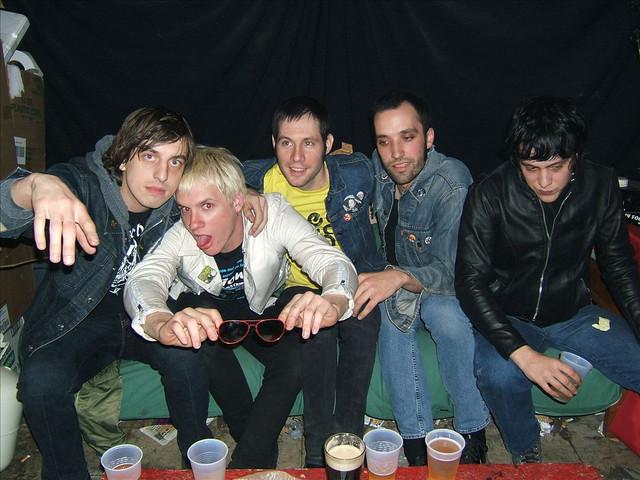
Carbonas

Punk
Punk Rock
Power Pop
 Viberate Rank: 376751
 Viberate Rank: 376751
 Monthly ListenersFollowers
 Subscribers
 Followers
 Followers
 FansTop Spotify Songs
| Track | 7-Day Streams | |
|---|---|---|
1 | 845 | |
2 | 416 | |
3 | 369 | |
4 | 358 | |
5 | 286 |
Top YouTube VideosMonthly ListenersFeatured in Playlists| Playlist | Followers | |
|---|---|---|
1 | EGG PUNK (the eggiest) namenames | 18.66K |
2 |  Garage Punk / Lo-Fi Nick Seaney | 5.40K |
3 |  Henry Rollins KCRW radioshow Roadrunner Music | 3.56K |
4 |  Garage, Surf, Punk & Rock and Roll Die Windrose | 3.55K |
5 |  Sunset Overdrive Complete Edition James Rafner | 2.71K |
Audience| City | Monthly Listeners | |
|---|---|---|
1 | | 142 |
2 | | 115 |
3 | | 91 |
4 | | 72 |
5 | | 70 |
See full performance history, audience data, playlist activity, rankings, comparisons, and more in Viberate music analytics. Start with a free trial, then continue with a paid plan.
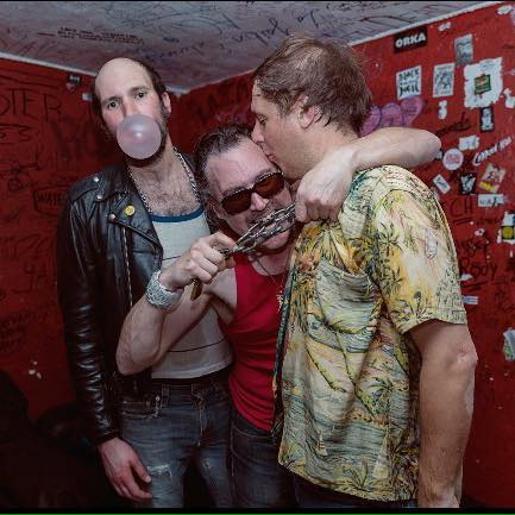
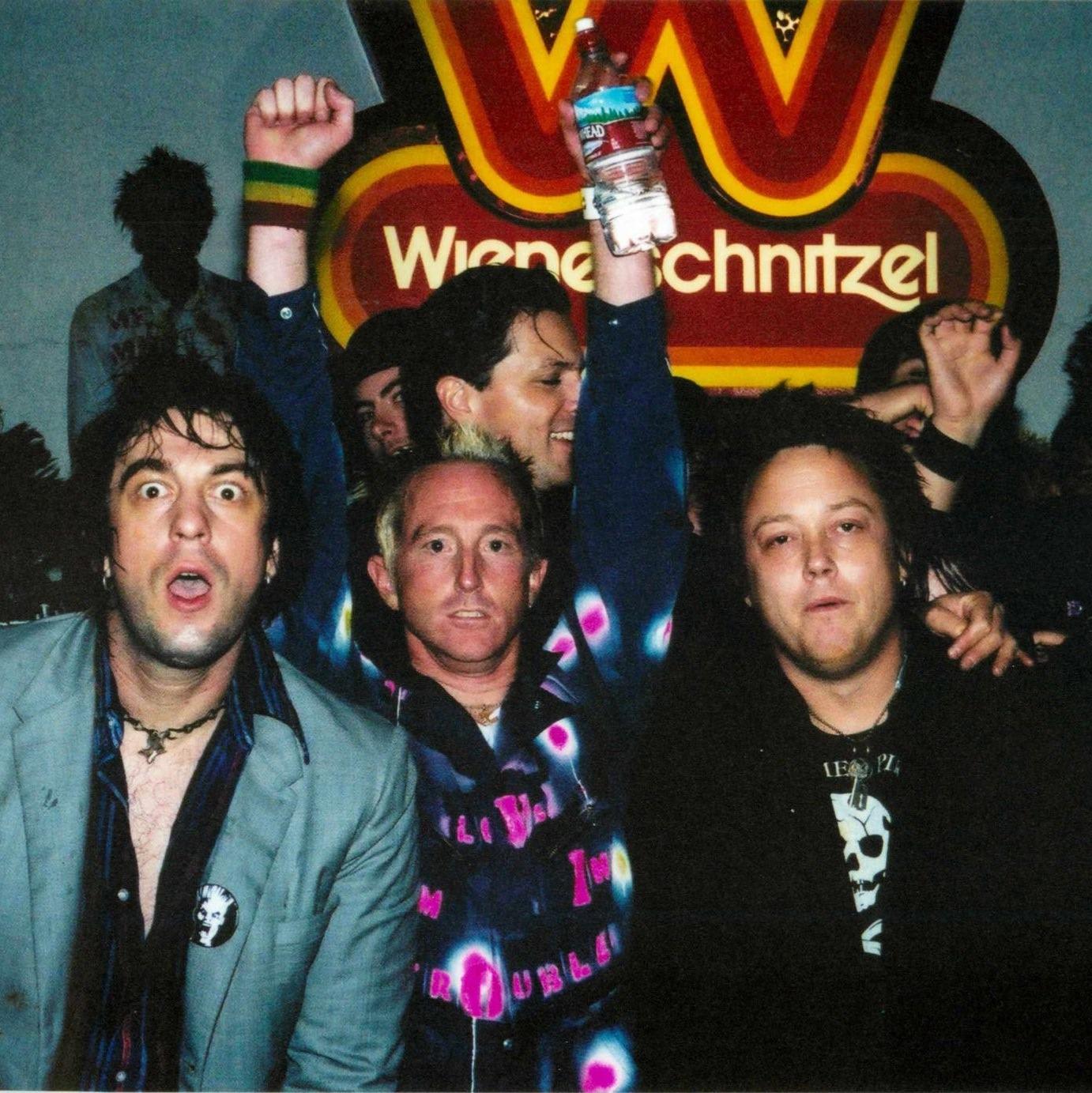
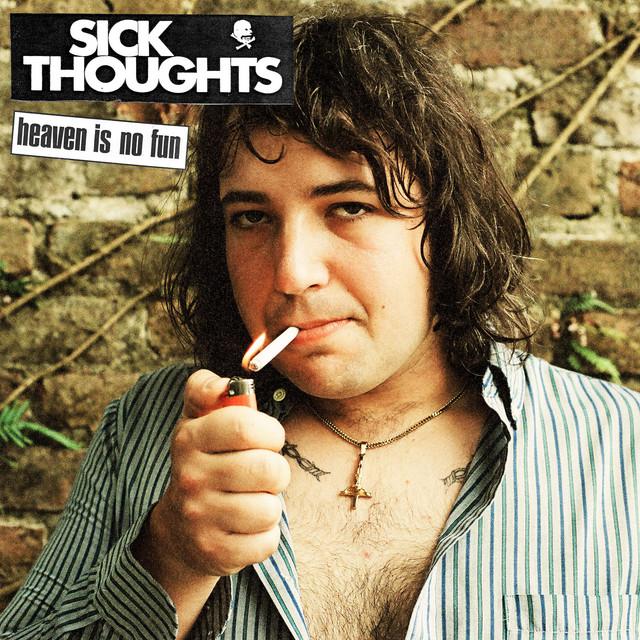
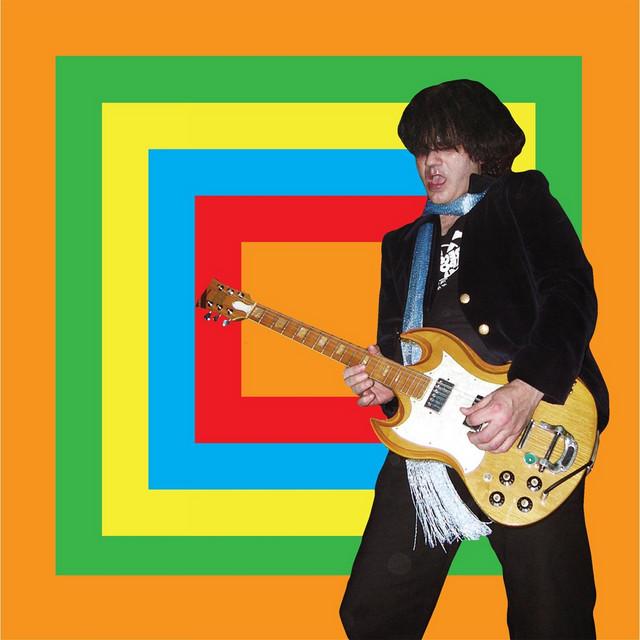
Carbonas’ Spotify BioCrossing the sound and spirit of old-school punk with the speed, velocity, and impact of hardcore, the Carbonas were a snotty-and-proud-of-it band from Atlanta, Georgia and one of the Peach State's leading punk groups of the 2000s. Staring out with a fierce, blurry sound on their 2003 debut album, Scene Killer, the band managed to become tighter and better focused with time, and their final album, 2007's The Carbonas, found them sounding more melodic and accomplished than ever before, though fast-loud-short was still their guiding philosophy.
The Carbonas were formed in Atlanta in 2001 around the nucleus of vocalist Greg King (aka Mussolini DeBergerac) and drummer Dave Rahn (aka Bronson St. Claire), who would be the sole constant members through the group's history. When the band began, King and Rahn were joined by guitarist BJ Womack (aka Bobby Ubangi) and bassist Jeremy Thompson (aka Ian Debonair). Womack didn't last long in the lineup, and he was replaced by guitarist Will Greene… (aka Wild Willie Greene). When Greene was offered a job teaching English in Japan and a friend offered the band a good deal on some recording time, the Carbonas cut an album to document their first songs. Scene Killer was released in 2003 by the Carbonas' own Champagne Velvet label. Shortly after Greene left Atlanta, the band recruited guitarist Clay Kilbourne (aka Claydolph Hipster), and this lineup cut a three-song 7" for the Die Slaughterhaus label, "I'm a Stray"/"Don't Let On''/"Push Me," that dropped in 2003.
In 2004, Jeremy Thompson left Atlanta for Chicago, Illinois, and Jesse Smith (aka Gentleman Jesse) took over on bass, making his recording debut on a single for Douchemaster Records, "Frothing at the Mouth" b/w "Sick Satisfaction." By the time the Carbonas released their next single in 2005 for Shattered Records ("Blackout Waiting to Happen," "(Your Love Is) Inside Out," and "Nostalgia Buff"), the group had expanded to a five-piece with the addition of a second guitarist, Josh Martin, and began touring outside the South, hitting the Midwest and the West Coast. The second album from the Carbonas, a self-titled release, was brought out by Raw Deluxe Records in 2006. Unhappy with the confines of working in a studio, Dave Rahn bought an eight-track tape machine and put together a makeshift studio in the Carbonas' practice space, and in 2007, working at their own pace, the Carbonas released a third album, which was issued by the Memphis-based Goner Records imprint. With the group joking that they couldn't agree on a proper title, it was also titled The Carbonas.
In 2008, the Carbonas staged a tour of Europe; by this time, Josh Martin had dropped out of the lineup, and Chris Van Etten joined in his place. While the third album had earned positive press in the garage-punk underground, several of the members had launched outside projects of their own. Jesse Smith founded Gentleman Jesse & His Men with Van Etten, Greene, and Kilbourne also working with the group, and Van Etten began recording and performing under the moniker GG King. In 2009, the Carbonas quietly folded, though they staged a reunion show in 2012 as part of the Atlanta Mess-Around Festival. In 2018, Goner Records released Your Moral Superiors: Singles and Rarities, which featured a collection of hard-to-find tracks -- many previously unreleased -- spanning the band's history. ~ Mark Deming, Rovi
Viberate is a music analytics platform built for A&Rs, artist managers, labels, booking agents, marketers, and artists.
It helps music professionals track artist growth, analyze audience data, monitor playlist activity, compare artists, follow song performance, and identify opportunities across the music market.
Public artist pages provide a free preview of selected artist data. Paid plans provide access to deeper analytics, historical data, charts, comparisons, playlist tools, exports, alerts, reports, and additional professional features.
Yes. Public Viberate artist pages provide selected artist analytics and music data for free.
Viberate also offers a 7-day free trial of the full platform. A credit card is required to start the trial. The trial includes access to the complete product so users can test deeper artist analytics, historical views, playlist insights, comparisons, charts, exports, alerts, and reporting features before choosing a paid plan.
Viberate provides artist analytics across streaming, playlists, social media, video, radio airplay, songs, and audience markets.
Users can analyze Spotify performance, Spotify and Apple Music playlists, YouTube activity, TikTok and Instagram growth, radio spins, song performance, audience locations, demographics, rankings, and overall artist momentum.
Artist profiles also connect to music charts, similar artists, and comparison tools, helping users benchmark performance and evaluate artists in context.
Viberate updates key artist and track data daily.
For followed artists and tracks, selected data is refreshed multiple times per day. This helps teams monitor playlist changes, streaming movement, audience growth, releases, and campaign performance with more current data.
Update frequency can vary depending on the metric and data source.
Yes. Viberate lets users compare up to five artists side by side across streaming, social media, audience, and engagement metrics.
Users can compare fanbase growth, audience demographics, locations, Spotify performance, social metrics, and other artist data over selected time periods.
Artist comparison can be used for A&R scouting, benchmarking, booking decisions, campaign planning, and evaluating artists with similar audiences or market positions.