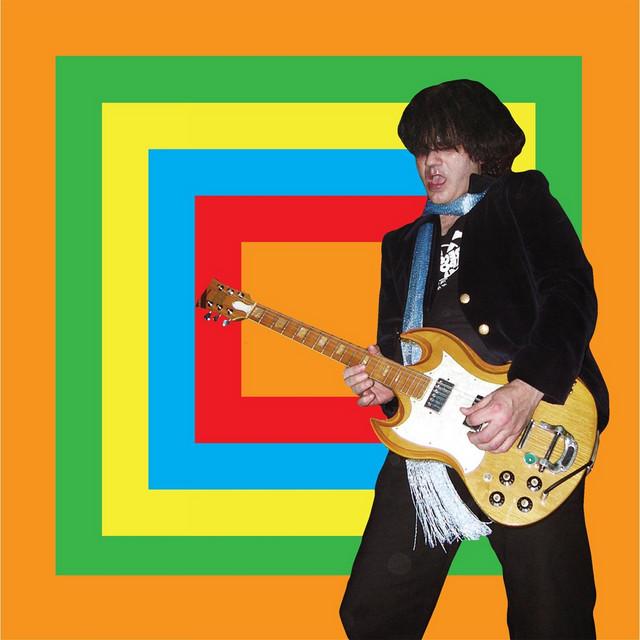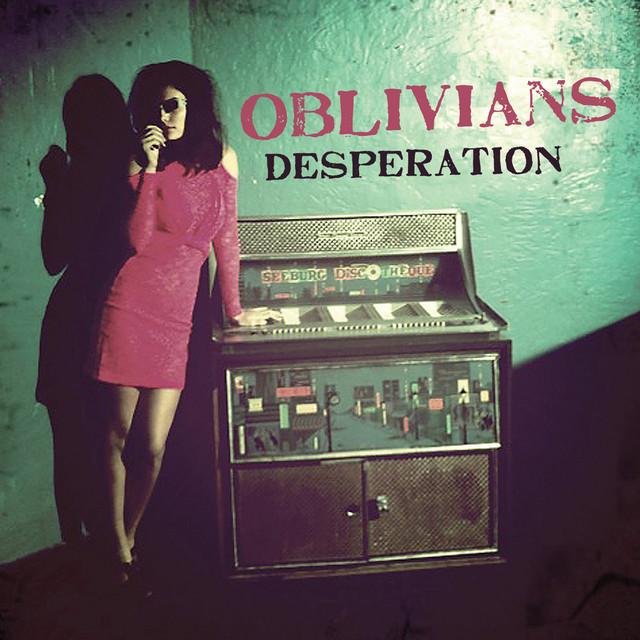
Oblivians

Rock
Garage Rock
Punk Rock
 Viberate Rank: 194548
 Viberate Rank: 194548
 Monthly ListenersFollowers
 Subscribers
 Followers
 Followers
 FansTop Spotify Songs
| Track | 7-Day Streams | |
|---|---|---|
1 | 3.35K | |
2 | 1.27K | |
3 | 895 | |
4 | 692 | |
5 | 499 |
Top YouTube Videos| Video | 7-Day Views | |
|---|---|---|
1 | 1 |
Monthly ListenersFeatured in Playlists| Playlist | Followers | |
|---|---|---|
1 |  The Sound of Everything The Sounds of Spotify | 53.81K |
2 |  Twin Peaks Vibes 📺 maddie f | 36.93K |
3 | space rock & psychedelia Edson Alejandro Adame | 8.05K |
4 |  Thrasher Magazine Luis Alberto Morales | 4.17K |
5 |  90s Alternative Rock & Indie: Hits & Deep Cuts Carefully Curated. | 3.61K |
Audience| City | Monthly Listeners | |
|---|---|---|
1 | | 320 |
2 | | 292 |
3 | | 251 |
4 | | 211 |
5 |  | 193 |
See full performance history, audience data, playlist activity, rankings, comparisons, and more in Viberate music analytics. Start with a free trial, then continue with a paid plan.
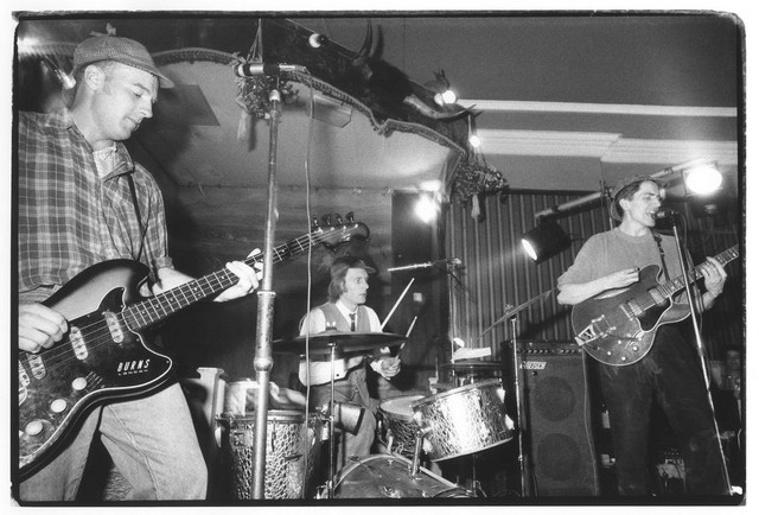
Oblivians’ Spotify BioScaring the country folks of Memphis with their brand of sleazy raunch & roll since their 1995 debut album, Soul Food, the Oblivians refuse to mold into the stereotype of three-piece ensembles sounding "wimpy" or "watered down." Instead, the Oblivians pay tribute to the Ramones, the Sonics, and the Stooges by creating their own sound of nostalgic '60s garage punk with their use of lo-fi equipment. Following Soul Food, the next year brought a live studio collection entitled Sympathy Sessions and their second album, Popular Favorites. Continuing on with their unorthodox lineup of two guitars and drums, the Oblivians collaborated with keyboardist Mr. Quintron on the appropriately titled Play 9 Songs with Mr. Quintron in 1997. It was the group's last studio set, as Greg Oblivian (aka Greg Cartwright) and Jack Oblivian chose to re-form their earlier band, the Compulsive Gamblers; Sympathy for the Record Industry released an official non-Crypt best-of in 1999 called The Best of the Worst:… 93-97; Melissa's Garage Revisited followed a year later.
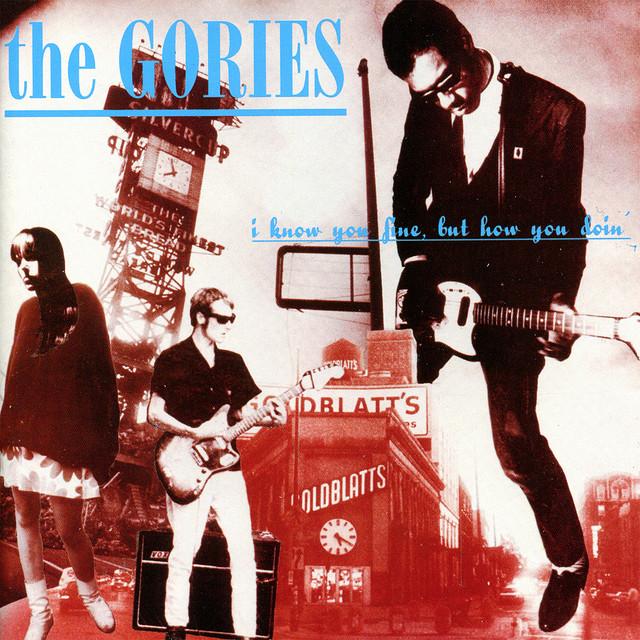
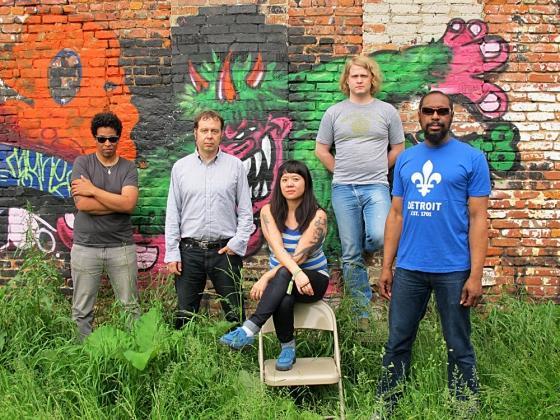
Many other projects followed the breakup, including the long-running Greg Oblivian-fronted band the Reigning Sound as well as work with the Detroit Cobras and with original Shangri-Las singer Mary Weiss on her late-2000s comeback album, Dangerous Game. Oblivians member Eric Friedl continued to run the increasingly successful Goner Records label and its affiliated store, working with future stars like Jay Reatard. In 2009 the Oblivians re-formed to play shows with the also reunited trash rockers the Gories, and by 2012 it was confirmed that they would be working on a new studio album. That album, Desperation, materialized in 2013 on In the Red Records. ~ Mike DaRonco, Rovi
Viberate is a music analytics platform built for A&Rs, artist managers, labels, booking agents, marketers, and artists.
It helps music professionals track artist growth, analyze audience data, monitor playlist activity, compare artists, follow song performance, and identify opportunities across the music market.
Public artist pages provide a free preview of selected artist data. Paid plans provide access to deeper analytics, historical data, charts, comparisons, playlist tools, exports, alerts, reports, and additional professional features.
Yes. Public Viberate artist pages provide selected artist analytics and music data for free.
Viberate also offers a 7-day free trial of the full platform. A credit card is required to start the trial. The trial includes access to the complete product so users can test deeper artist analytics, historical views, playlist insights, comparisons, charts, exports, alerts, and reporting features before choosing a paid plan.
Viberate provides artist analytics across streaming, playlists, social media, video, radio airplay, songs, and audience markets.
Users can analyze Spotify performance, Spotify and Apple Music playlists, YouTube activity, TikTok and Instagram growth, radio spins, song performance, audience locations, demographics, rankings, and overall artist momentum.
Artist profiles also connect to music charts, similar artists, and comparison tools, helping users benchmark performance and evaluate artists in context.
Viberate updates key artist and track data daily.
For followed artists and tracks, selected data is refreshed multiple times per day. This helps teams monitor playlist changes, streaming movement, audience growth, releases, and campaign performance with more current data.
Update frequency can vary depending on the metric and data source.
Yes. Viberate lets users compare up to five artists side by side across streaming, social media, audience, and engagement metrics.
Users can compare fanbase growth, audience demographics, locations, Spotify performance, social metrics, and other artist data over selected time periods.
Artist comparison can be used for A&R scouting, benchmarking, booking decisions, campaign planning, and evaluating artists with similar audiences or market positions.