The Intelligence

Punk
Punk Rock
Noise Rock
 Viberate Rank: 249524
 Viberate Rank: 249524
 Monthly ListenersFollowers
 Subscribers
 Followers
 Followers
 FansTop Spotify Songs
| Track | 7-Day Streams | |
|---|---|---|
1 | 248 | |
2 | 245 | |
3 | 230 | |
4 | 165 | |
5 | 60 |
Top YouTube VideosMonthly ListenersFeatured in Playlists| Playlist | Followers | |
|---|---|---|
1 |  Compact Cassette David Dean Burkhart | 60.73K |
2 | space rock & psychedelia Edson Alejandro Adame | 8.05K |
3 |  obscure gems sheyla saric | 6.40K |
4 |  The Sound of Noise Rock The Sounds of Spotify | 6.06K |
5 |  The Sound of Art Punk The Sounds of Spotify | 4.04K |
Audience| City | Monthly Listeners | |
|---|---|---|
1 | | 105 |
2 | | 76 |
3 | | 66 |
4 | | 64 |
5 | | 60 |
See full performance history, audience data, playlist activity, rankings, comparisons, and more in Viberate music analytics. Start with a free trial, then continue with a paid plan.
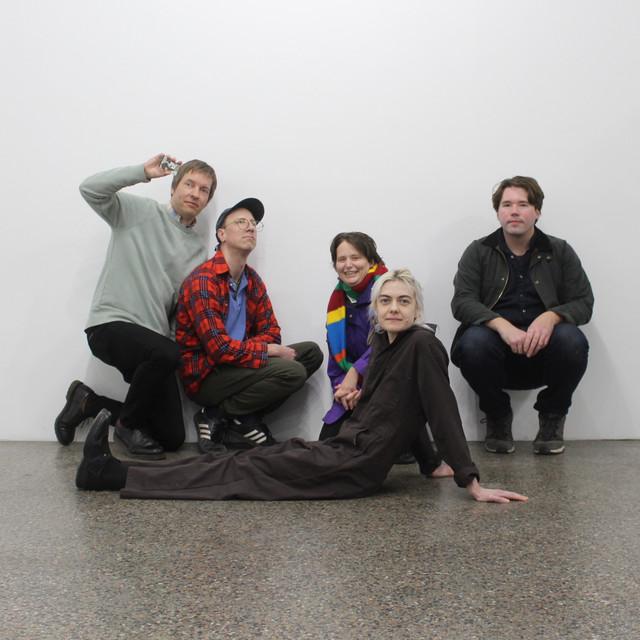
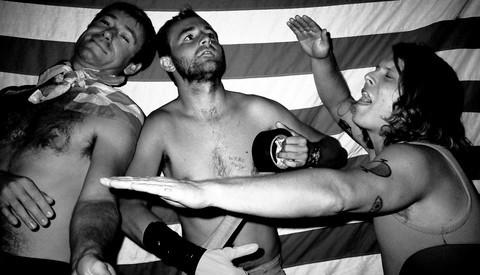
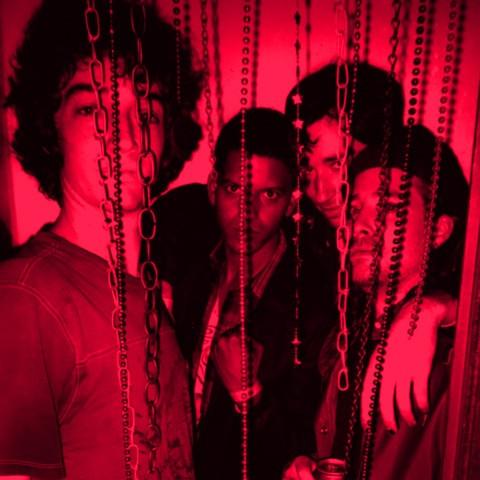
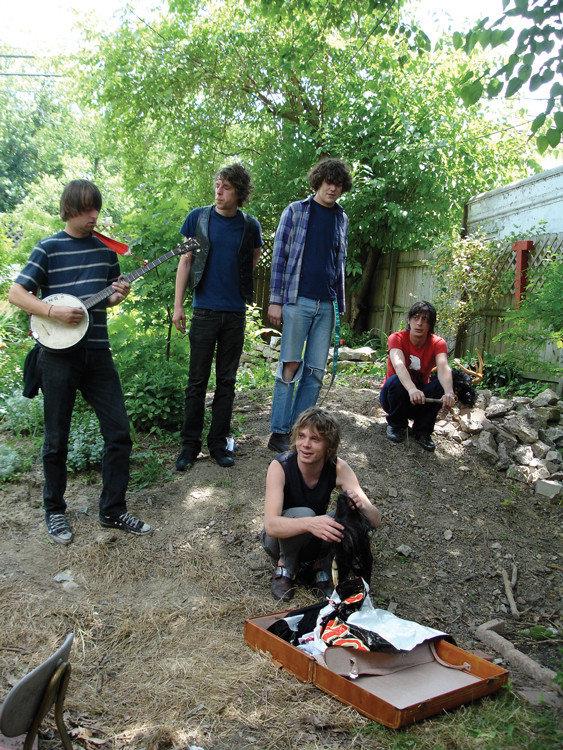
The Intelligence’s Spotify BioCombining jagged instrumentation inspired by new wave and no wave with downright poppy melodies and a wry outlook, the Intelligence is the brainchild of Lars Finberg. Within the band's well-defined aesthetic, shifting lineup and recording techniques led to small but notable changes in their sound over the years. On bedroom-recorded early albums like 2004's Boredom and Terror, Finberg drenched his songs in noise that nevertheless complemented his deadpan vocals and way with hooks. When the Intelligence ventured into the studio, their horizons expanded, resulting in 2007's freewheeling Deuteronomy and 2009's relatively poised Fake Surfers. During the 2010s, Finberg and company's releases became fewer but wider-ranging, with highlights such as 2015's bleakly humorous Vintage Future and 2019's expansive Un-Psychedelic in Peavey City reaffirming their status as one of garage punk's wittiest acts.
While living in Seattle, Finberg played in some of that city's noisiest, weirdest bands,… including the A Frames, Unnatural Helpers, and the Dipers. The Intelligence began in 1999, shortly after Finberg, Min Yee, and Erin Sullivan formed the A Frames (who were called Bend Sinister at the time). Finberg recorded the Intelligence's earliest work in his bedroom, playing his five-year-old son's drum kit and slathering everything in reverb and distortion to get a distinctive lo-fi sound. The Intelligence and the A Frames issued singles on Dragnet Records, the label Finberg, Yee, and Sullivan formed to release their own music. Their early releases included 2000's Girlfriends and Boyfriends EP and the 2003 single "Test" on S-S Records.
The Intelligence's debut album, Boredom and Terror, first appeared on Omnibus early in 2004 and was reissued by Narnack later that year. The band moved to In the Red for the following year's Icky Baby, which introduced drummer Matthew Ford, bassist Calvin Lee Reeder, and guitarist Nicholas Brawley. In 2006, Finberg left the A Frames to concentrate on the Intelligence. That year, the band inaugurated In the Red's limited-edition 12" series with a four-track release appropriately named 12, and also issued the Boys Annoy and Let's Toil EPs among their other short-form works.
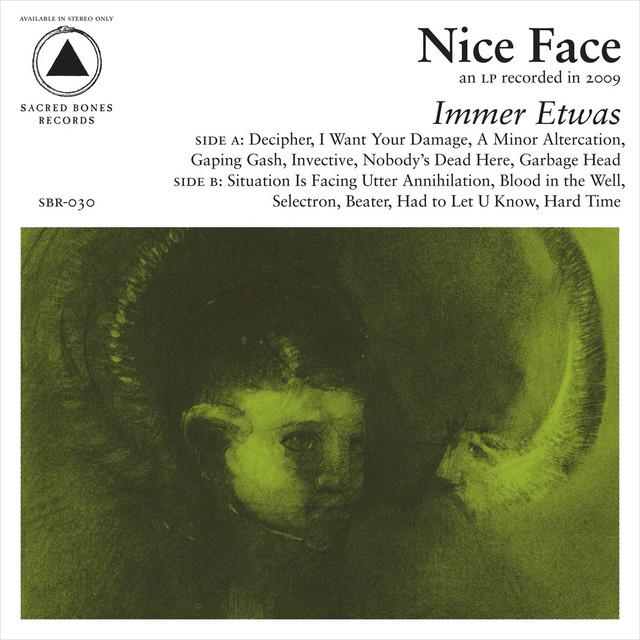
For 2007's Deuteronomy, Finberg collaborated with Mike McHugh at his Distillery studio, marking the first time the Intelligence recorded outside of Finberg's bedroom. During the tour for the album, Country Teasers bassist Kaanan Tupper joined the group. The following year, the Intelligence delivered a string of singles and EPs, including a split release with Thee Oh Sees on Mt. St. Mtn. Records. The band continued in Deuteronomy's slightly more polished direction on 2009's Fake Surfers, which stripped away some of the band's noise in favor of nods to '60s pop and featured collaborations with the Lamps' Monty Buckles, Wounded Lion's Brad Eberhard, and Christmas Island's Brian Carver. That year, the Intelligence also issued the much louder Crepuscule with Pacman on the French label Born Bad. For the following year's Males, Finberg recruited his touring band to record with him in the studio, resulting in one of the Intelligence's most intricately arranged sets of songs.
After Finberg's stints playing with Wounded Lion and Thee Oh Sees and a move to Los Angeles in 2011, the Intelligence returned in 2012 with the more cleanly produced but just as quirky rock of Everybody's Got It Easy But Me. Three years later, Finberg and company returned with Vintage Future, which featured cameos by Eberhard, Thee Oh Sees' Petey Dammit (as well as former member Brigid Dawson), and Sic Alps' Mike Donovan. Finberg then took a brief break from the Intelligence to release his 2017 solo album Moonlight Over Bakersfield, an eclectic set of songs that found him working with Mikal Cronin; members of La Luz, Big Business, and Melvins; and producer/engineer Ty Segall. The Intelligence returned in 2018 with Live in San Francisco and 2019's studio album Un-Psychedelic in Peavey City. Recorded by Tim Green at Louder Studios and featuring bassist Drew Church, guitarist Dave Hernandez, and drummer Kaanan Tupper, the band's tenth studio album took a more expansive approach to their sardonic style. ~ Heather Phares, Rovi
Viberate is a music analytics platform built for A&Rs, artist managers, labels, booking agents, marketers, and artists.
It helps music professionals track artist growth, analyze audience data, monitor playlist activity, compare artists, follow song performance, and identify opportunities across the music market.
Public artist pages provide a free preview of selected artist data. Paid plans provide access to deeper analytics, historical data, charts, comparisons, playlist tools, exports, alerts, reports, and additional professional features.
Yes. Public Viberate artist pages provide selected artist analytics and music data for free.
Viberate also offers a 7-day free trial of the full platform. A credit card is required to start the trial. The trial includes access to the complete product so users can test deeper artist analytics, historical views, playlist insights, comparisons, charts, exports, alerts, and reporting features before choosing a paid plan.
Viberate provides artist analytics across streaming, playlists, social media, video, radio airplay, songs, and audience markets.
Users can analyze Spotify performance, Spotify and Apple Music playlists, YouTube activity, TikTok and Instagram growth, radio spins, song performance, audience locations, demographics, rankings, and overall artist momentum.
Artist profiles also connect to music charts, similar artists, and comparison tools, helping users benchmark performance and evaluate artists in context.
Viberate updates key artist and track data daily.
For followed artists and tracks, selected data is refreshed multiple times per day. This helps teams monitor playlist changes, streaming movement, audience growth, releases, and campaign performance with more current data.
Update frequency can vary depending on the metric and data source.
Yes. Viberate lets users compare up to five artists side by side across streaming, social media, audience, and engagement metrics.
Users can compare fanbase growth, audience demographics, locations, Spotify performance, social metrics, and other artist data over selected time periods.
Artist comparison can be used for A&R scouting, benchmarking, booking decisions, campaign planning, and evaluating artists with similar audiences or market positions.