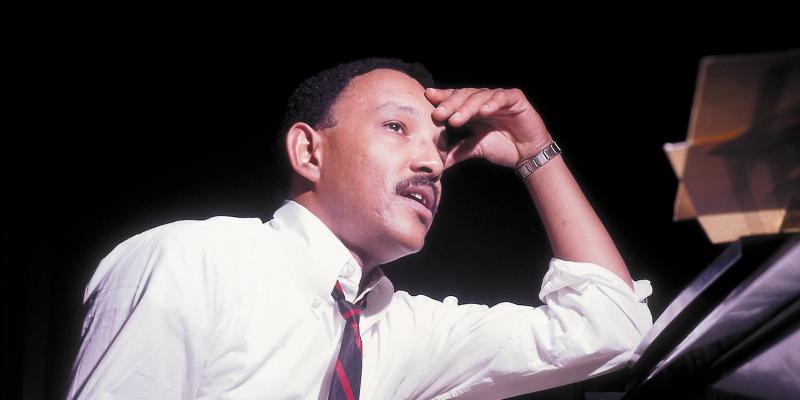
Jack Wilson

Jazz
Bebop
Smooth Jazz
 Viberate Rank: 329258
 Viberate Rank: 329258
 Monthly ListenersFollowers
 Subscribers
 Followers
 Followers
 FansTop Spotify Songs
| Track | 7-Day Streams | |
|---|---|---|
1 | 1.33K | |
2 | 1.27K | |
3 | 366 | |
4 | 366 | |
5 | 288 |
Top YouTube VideosMonthly ListenersFeatured in Playlists| Playlist | Followers | |
|---|---|---|
1 |  Starbucks Jazz Starbucks | 75.42K |
2 |  Piano Bar • Lounge Music • Smooth Jazz David Anthony | 37.09K |
3 | Bossa Nova Moises Alfonso | 27.13K |
4 |  Hard Bop Jazz Mark Noordzij | 20.45K |
5 |  Soul Jazz Blue Note Records | 10.12K |
Audience| City | Monthly Listeners | |
|---|---|---|
1 |  | 148 |
2 | | 145 |
3 |  | 142 |
4 |  | 111 |
5 | | 92 |
See full performance history, audience data, playlist activity, rankings, comparisons, and more in Viberate music analytics. Start with a free trial, then continue with a paid plan.
Jack Wilson’s Spotify Biob. 3 August 1936, Chicago, Illinois, USA. Raised in Fort Wayne, Indiana, Wilson studied piano at Fort Wayne College of Music and the University of Indiana, with time out for a fleeting professional foray with James Moody. He briefly played baritone saxophone but after settling in Columbus, Ohio, he played piano with musicians such as Rahsaan Roland Kirk. He joined Dinah Washington and in bands led by the singer’s then husband, Eddie Chamblee. In Chicago in the late 50s, he made own-name trio sessions for Argo Records, was in bass player Richard Davis’ trio, and then served in the US Army, playing tenor saxophone in military bands. After military service Wilson briefly rejoined Washington, recording with her as a member of Quincy Jones’ studio band, before entering the Los Angeles film and television studios. He was also in outfits recording behind singers such as Sammy Davis Jnr. , Julie London, O.C. Smith, Nancy Wilson and Sarah Vaughan, and played on Curtis Amy’s Katanga!, while on… alto saxophonist Earl Anderza’s Outa Sight he played harpsichord. During these same years, Wilson was a regular member of Gerald Wilson’s big band, appearing on Moment Of Truth and The Golden Sword.
Wilson led his own small bands for a flurry of 60s recording dates, including playing organ in two-organ combos with Genghis Kyle and Harry Cain. He also led an all-star sextet for his 1967 Easterly Winds session, featuring Lee Morgan and Jackie McLean. During most of the 70s, Wilson was usually behind the scenes in studio work, but he made more own-name dates in the late 70s and also played with Eddie Harris and Lorez Alexandria. In the early 80s he recorded with Clark Terry and was with Sonny Stitt and Richie Cole on a tour of Australia. In New York City in the mid-80s, he worked in duo with bass player Ed Schuller.
A dynamic, hard bop player, Wilson was vigorous and inventive and displayed considerable technical mastery and dexterity. Early in the 00s, reissues of some of his 60s albums revived interest in this fine, if lesser known and under valued pianist.
Viberate is a music analytics platform built for A&Rs, artist managers, labels, booking agents, marketers, and artists.
It helps music professionals track artist growth, analyze audience data, monitor playlist activity, compare artists, follow song performance, and identify opportunities across the music market.
Public artist pages provide a free preview of selected artist data. Paid plans provide access to deeper analytics, historical data, charts, comparisons, playlist tools, exports, alerts, reports, and additional professional features.
Yes. Public Viberate artist pages provide selected artist analytics and music data for free.
Viberate also offers a 7-day free trial of the full platform. A credit card is required to start the trial. The trial includes access to the complete product so users can test deeper artist analytics, historical views, playlist insights, comparisons, charts, exports, alerts, and reporting features before choosing a paid plan.
Viberate provides artist analytics across streaming, playlists, social media, video, radio airplay, songs, and audience markets.
Users can analyze Spotify performance, Spotify and Apple Music playlists, YouTube activity, TikTok and Instagram growth, radio spins, song performance, audience locations, demographics, rankings, and overall artist momentum.
Artist profiles also connect to music charts, similar artists, and comparison tools, helping users benchmark performance and evaluate artists in context.
Viberate updates key artist and track data daily.
For followed artists and tracks, selected data is refreshed multiple times per day. This helps teams monitor playlist changes, streaming movement, audience growth, releases, and campaign performance with more current data.
Update frequency can vary depending on the metric and data source.
Yes. Viberate lets users compare up to five artists side by side across streaming, social media, audience, and engagement metrics.
Users can compare fanbase growth, audience demographics, locations, Spotify performance, social metrics, and other artist data over selected time periods.
Artist comparison can be used for A&R scouting, benchmarking, booking decisions, campaign planning, and evaluating artists with similar audiences or market positions.