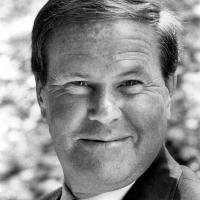
Shorty Rogers

Jazz
Big band Jazz
Smooth Jazz
 Viberate Rank: 259064
 Viberate Rank: 259064
 Monthly ListenersFollowers
 Subscribers
 Followers
 Followers
 FansTop Spotify Songs
| Track | 7-Day Streams | |
|---|---|---|
1 | 1.34K | |
2 | 1.30K | |
3 | 1.30K | |
4 | 476 | |
5 | 417 |
Top YouTube VideosMonthly ListenersFeatured in Playlists| Playlist | Followers | |
|---|---|---|
1 |  Real Book - Jazz standards/classics Anders Garbom Bjørklund | 13.79K |
2 |  Midnight Jazz Bar 🍸 by Don's Tunes Don's Tunes | 11.61K |
3 |  Jamie Cullum's BBC Radio 2 Show jamiecullumofficial | 8.78K |
4 |  JAL ジェットストリーム JET STREAM 城達也 福山雅治 映画 音楽 Film Music ムード AOR ポールモーリア Easy listening イージーリスニング BGM nekoni_konbanwa | 6.88K |
5 | Flute Jazz petergoldstein123 | 5.80K |
Audience| City | Monthly Listeners | |
|---|---|---|
1 |  | 105 |
2 | | 102 |
3 | | 86 |
4 | | 76 |
5 |  | 64 |
See full performance history, audience data, playlist activity, rankings, comparisons, and more in Viberate music analytics. Start with a free trial, then continue with a paid plan.
Shorty Rogers’ Spotify BioA fine middle-register trumpeter whose style seemed to practically define "cool jazz," Shorty Rogers was actually more significant for his arranging, both in jazz and in the movie studios. After gaining early experience with Will Bradley and Red Norvo and serving in the military, Rogers rose to fame as a member of Woody Herman's First and Second Herds (1945-1946 and 1947-1949), and somehow he managed to bring some swing to the Stan Kenton Innovations Orchestra (1950-1951), clearly enjoying writing for the stratospheric flights of Maynard Ferguson. After that association ran its course, Rogers settled in Los Angeles where he led his Giants (which ranged from a quintet to a nonet and a big band) on a series of rewarding West Coast jazz-styled recordings and wrote for the studios, helping greatly to bring jazz into the movies; his scores for The Wild One and The Man With the Golden Arm are particularly memorable. After 1962, Rogers stuck almost exclusively to writing for television and… films, but in 1982 he began a comeback in jazz. Rogers reorganized and headed the Lighthouse All-Stars and, although his own playing was not quite as strong as previously, he remained a welcome presence both in clubs and recordings. ~ Scott Yanow, Rovi
Viberate is a music analytics platform built for A&Rs, artist managers, labels, booking agents, marketers, and artists.
It helps music professionals track artist growth, analyze audience data, monitor playlist activity, compare artists, follow song performance, and identify opportunities across the music market.
Public artist pages provide a free preview of selected artist data. Paid plans provide access to deeper analytics, historical data, charts, comparisons, playlist tools, exports, alerts, reports, and additional professional features.
Yes. Public Viberate artist pages provide selected artist analytics and music data for free.
Viberate also offers a 7-day free trial of the full platform. A credit card is required to start the trial. The trial includes access to the complete product so users can test deeper artist analytics, historical views, playlist insights, comparisons, charts, exports, alerts, and reporting features before choosing a paid plan.
Viberate provides artist analytics across streaming, playlists, social media, video, radio airplay, songs, and audience markets.
Users can analyze Spotify performance, Spotify and Apple Music playlists, YouTube activity, TikTok and Instagram growth, radio spins, song performance, audience locations, demographics, rankings, and overall artist momentum.
Artist profiles also connect to music charts, similar artists, and comparison tools, helping users benchmark performance and evaluate artists in context.
Viberate updates key artist and track data daily.
For followed artists and tracks, selected data is refreshed multiple times per day. This helps teams monitor playlist changes, streaming movement, audience growth, releases, and campaign performance with more current data.
Update frequency can vary depending on the metric and data source.
Yes. Viberate lets users compare up to five artists side by side across streaming, social media, audience, and engagement metrics.
Users can compare fanbase growth, audience demographics, locations, Spotify performance, social metrics, and other artist data over selected time periods.
Artist comparison can be used for A&R scouting, benchmarking, booking decisions, campaign planning, and evaluating artists with similar audiences or market positions.