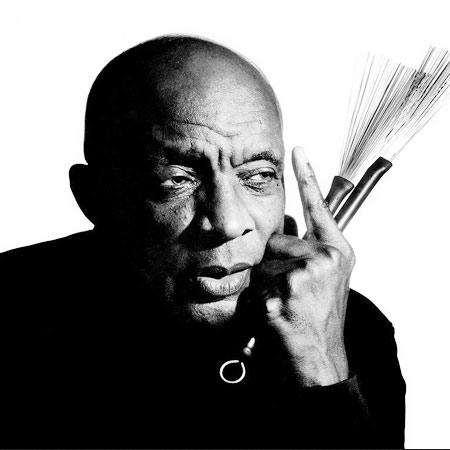
Ed Thigpen

Jazz
Bebop
 Viberate Rank: 206637
 Viberate Rank: 206637
 Monthly ListenersFollowers
 Subscribers
 Followers
 Followers
 FansTop Spotify Songs
| Track | 7-Day Streams | |
|---|---|---|
1 | 34.11K | |
2 | 10.35K | |
3 | 4.02K | |
4 | 1.91K | |
5 | 1.52K |
Top YouTube VideosMonthly ListenersFeatured in Playlists| Playlist | Followers | |
|---|---|---|
1 | Jazz Standards Playlist tmorral22 | 19.75K |
2 |  Fast Jazz! Filip Grbović | 10.84K |
3 |  Frasier's playlist for when he has women over BrianSpaltwern | 10.40K |
4 | Recommended performances from Ted Gioia's book 'The Jazz Standards' jhiggy58 | 8.57K |
5 | Jazz Drums 1251968019 | 7.52K |
Audience| City | Monthly Listeners | |
|---|---|---|
1 | | 32 |
2 | | 31 |
3 | | 29 |
4 |  | 26 |
5 | | 24 |
See full performance history, audience data, playlist activity, rankings, comparisons, and more in Viberate music analytics. Start with a free trial, then continue with a paid plan.
Ed Thigpen’s Spotify BioA tasteful and subtle drummer who is a master with brushes, Ed Thigpen is still most famous for his longtime membership with the Oscar Peterson Trio. The son of Ben Thigpen (who played drums with Andy Kirk's Orchestra throughout the 1930s), Ed gained early experience playing with Cootie Williams from 1951-1952. After a period in the Army, he worked with Dinah Washington (1954), Lennie Tristano, Johnny Hodges, Bud Powell, and Billy Taylor's Trio (1956-1959). Thigpen replaced guitarist Herb Ellis with Peterson's group in 1959, staying with the masterful pianist through 1965 and appearing on dozens of records. His quiet yet swinging style perfectly supported Peterson and bassist Ray Brown. After leaving Peterson, Thigpen spent two periods touring the world with Ella Fitzgerald during 1966-1972. He settled in Copenhagen in 1972, worked as a teacher, wrote several instructional books, and continued playing with the who's who of jazz as a freelancer. As an occasional leader, Ed Thigpen has… recorded dates for Verve (an obscurity from 1966), GNP Crescendo, Reckless, Timeless, and Justin Time. ~ Scott Yanow, Rovi
Viberate is a music analytics platform built for A&Rs, artist managers, labels, booking agents, marketers, and artists.
It helps music professionals track artist growth, analyze audience data, monitor playlist activity, compare artists, follow song performance, and identify opportunities across the music market.
Public artist pages provide a free preview of selected artist data. Paid plans provide access to deeper analytics, historical data, charts, comparisons, playlist tools, exports, alerts, reports, and additional professional features.
Yes. Public Viberate artist pages provide selected artist analytics and music data for free.
Viberate also offers a 7-day free trial of the full platform. A credit card is required to start the trial. The trial includes access to the complete product so users can test deeper artist analytics, historical views, playlist insights, comparisons, charts, exports, alerts, and reporting features before choosing a paid plan.
Viberate provides artist analytics across streaming, playlists, social media, video, radio airplay, songs, and audience markets.
Users can analyze Spotify performance, Spotify and Apple Music playlists, YouTube activity, TikTok and Instagram growth, radio spins, song performance, audience locations, demographics, rankings, and overall artist momentum.
Artist profiles also connect to music charts, similar artists, and comparison tools, helping users benchmark performance and evaluate artists in context.
Viberate updates key artist and track data daily.
For followed artists and tracks, selected data is refreshed multiple times per day. This helps teams monitor playlist changes, streaming movement, audience growth, releases, and campaign performance with more current data.
Update frequency can vary depending on the metric and data source.
Yes. Viberate lets users compare up to five artists side by side across streaming, social media, audience, and engagement metrics.
Users can compare fanbase growth, audience demographics, locations, Spotify performance, social metrics, and other artist data over selected time periods.
Artist comparison can be used for A&R scouting, benchmarking, booking decisions, campaign planning, and evaluating artists with similar audiences or market positions.