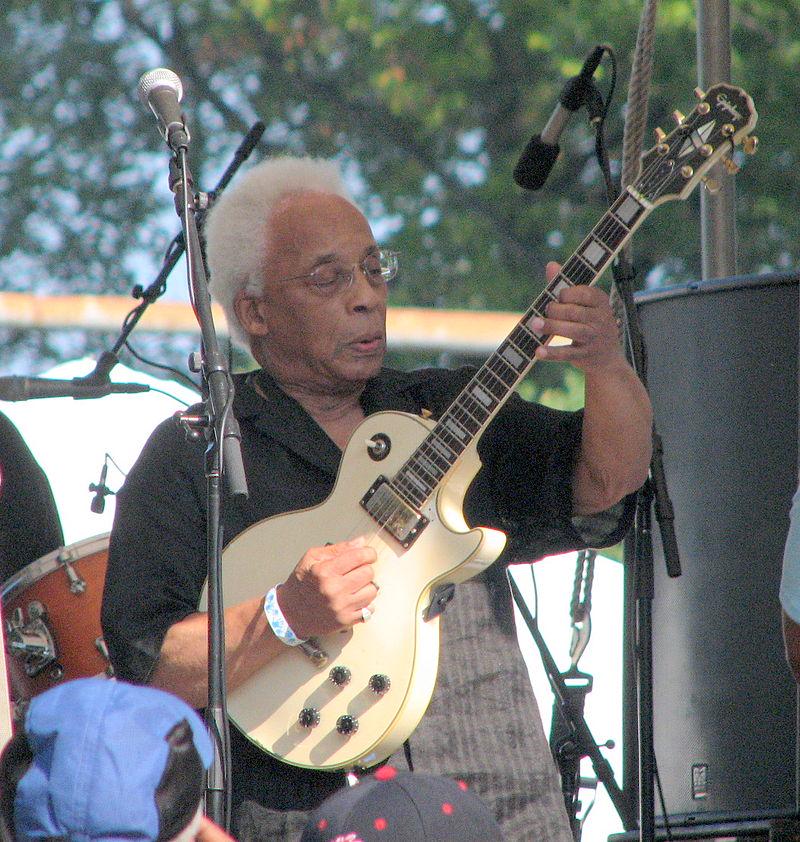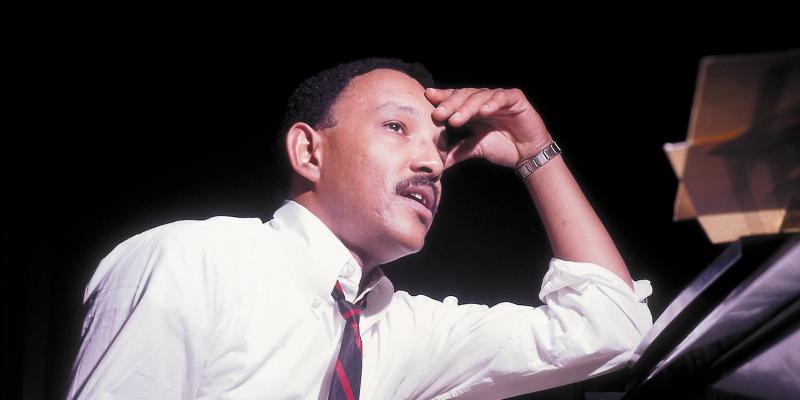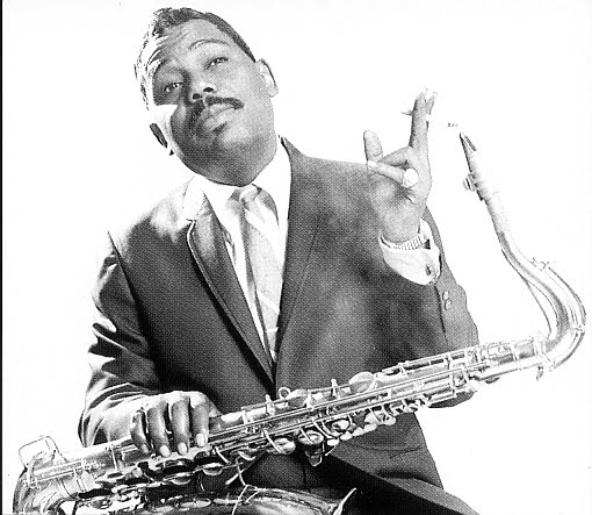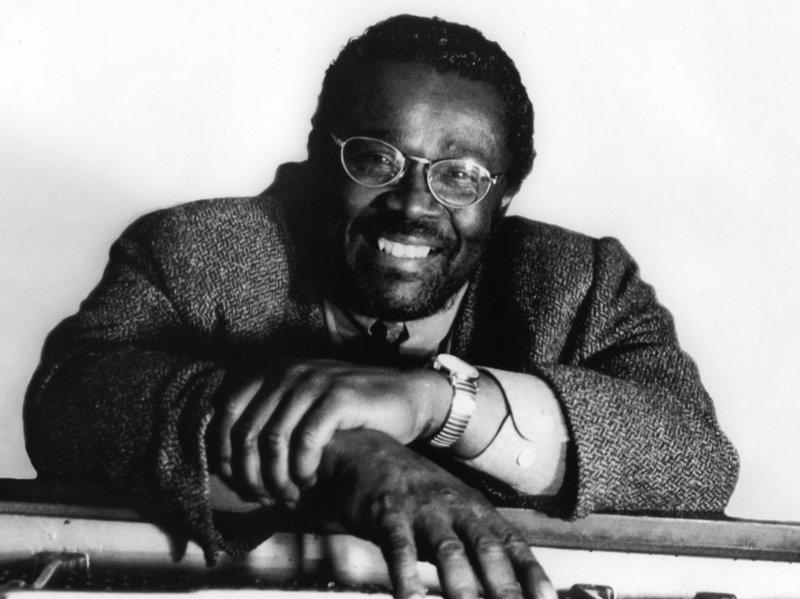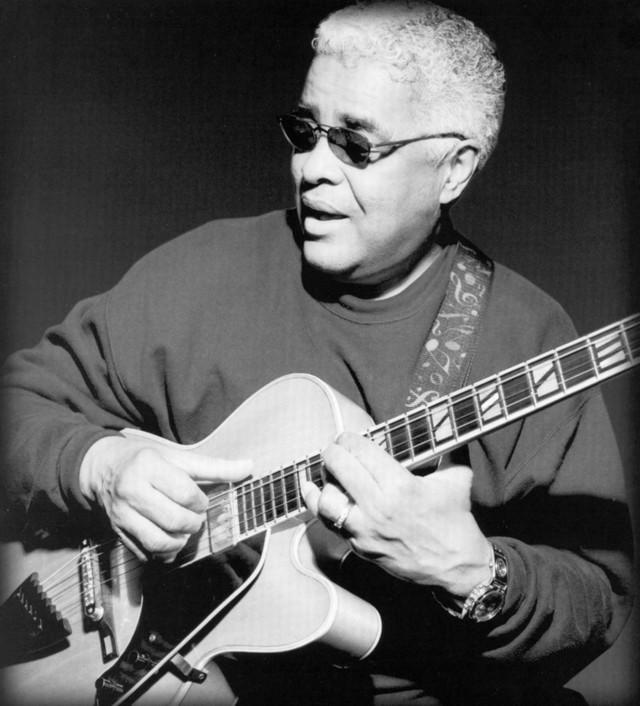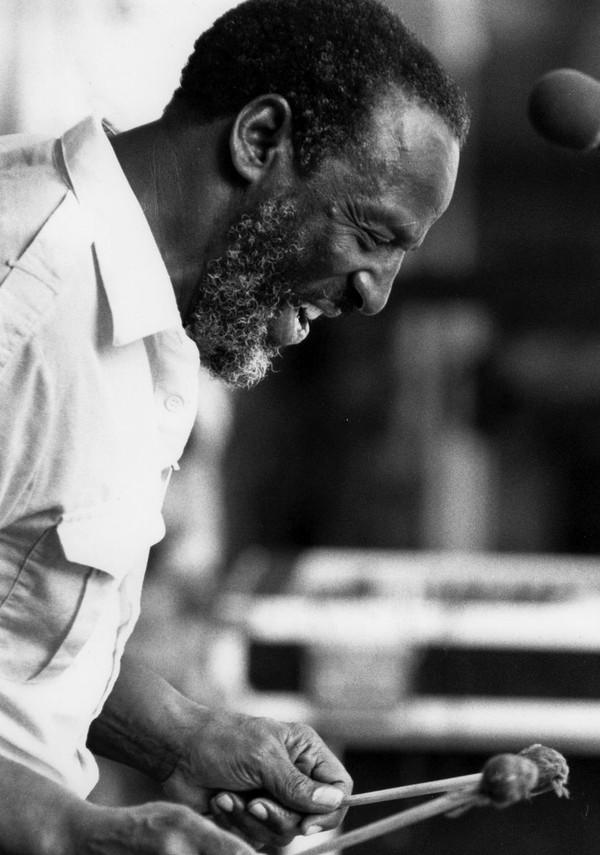
Johnny Lytle

Jazz
Bebop
Jazz Fusion
 Viberate Rank: 305752
 Viberate Rank: 305752
 Monthly ListenersFollowers
 Subscribers
 Followers
 Followers
 FansTop Spotify Songs
| Track | 7-Day Streams | |
|---|---|---|
1 | 294 | |
2 | 268 | |
3 | 190 | |
4 | 146 | |
5 | 122 |
Top YouTube VideosMonthly ListenersFeatured in Playlists| Playlist | Followers | |
|---|---|---|
1 |  Jazz Dispensary's Songs of the Day Jazz Dispensary | 51.86K |
2 |  Northern Soul ajmcdonald007 | 14.67K |
3 | jazz,funk,soul,blues,afrobeat,latin İlker Özalp | 11.48K |
4 |  BECK FAVORITES officialbeck | 9.75K |
5 |  Blue Note Trip 1-10 riktompot | 8.39K |
Audience| City | Monthly Listeners | |
|---|---|---|
1 | | 113 |
2 |  | 86 |
3 | | 75 |
4 | | 63 |
5 | | 44 |
See full performance history, audience data, playlist activity, rankings, comparisons, and more in Viberate music analytics. Start with a free trial, then continue with a paid plan.
Johnny Lytle’s Spotify BioConsidered one of the top vibes players in the world, Johnny Lytle was known for his great hand speed and showmanship. He was also a songwriter and wrote many of his own hits, including "The Loop," "The Man," "Lela," "Selim," and the jazz classic "The Village Caller." Lytle recorded more than 30 albums for various jazz labels including Tuba, Jazzland, Solid State, and Muse. Throughout his career he performed and recorded with jazz greats the likes of Louis Armstrong, Lionel Hampton, Miles Davis, Nancy Wilson, Bobby Timmons, and Roy Ayers. The devoted father of three also featured his son, Marcel Lytle, on several of his recordings as a vocalist and drummer. Lytle was such an admirer of the music of the late great Miles Davis that he wrote "Selim" (Miles spelled backwards) in honor of Davis, which features Davis' former pianist Wynton Kelly. Lytle never recorded with any of the major record labels, and that could be why he never gained the status of a jazz icon like some of his peers.… Lytle felt that he would lose control of his music and creative development; Lytle liked to play what came natural to him, and being with a major label might not have afforded him that opportunity.
Johnny Lytle grew up in a family of music, the son of a trumpeter father and an organist mother. He began playing the drums and piano at an early age. Before studying music in earnest, Lytle lent his hands to boxing, and was a successful Golden Gloves champion. During the late '50s, Lytle landed jobs as a drummer for Ray Charles and others, and he also continued to box. But by 1960, the energetic Lytle had laid down his gloves and, inspired by the great Lionel Hampton, picked up the mallets, turning his full attention toward the vibraphone. He started a jazz band and began recording for the famed jazz label Riverside Records under the direction of Grammy-winning producer Orrin Keepnews.
Lytle found success early in his career with chart-topping albums like A Groove, The Loop, and Moon Child. From his swinging uptempo tracks to his soul-satisfying ballads, Lytle knew how to keep a groove. And with a nickname like "Fast Hands," he could always keep the attention of an audience. In addition to his musicianship, his gregarious personality made him a popular attraction on the jazz circuit. Even though Lytle did not experience the same success he was privileged to during the '60s, he did continue to record and build a respectable catalog of music with recordings in the '70s,'80s, and '90s. Lytle remained a popular concert attraction in the U.S. and Europe; his last performance was with the Springfield (Ohio) Symphony Orchestra in his hometown in November 1995. At the time of his death in the following month, Lytle was scheduled to begin recording a new CD on the Muse label. ~ Craig Lytle, Rovi
Viberate is a music analytics platform built for A&Rs, artist managers, labels, booking agents, marketers, and artists.
It helps music professionals track artist growth, analyze audience data, monitor playlist activity, compare artists, follow song performance, and identify opportunities across the music market.
Public artist pages provide a free preview of selected artist data. Paid plans provide access to deeper analytics, historical data, charts, comparisons, playlist tools, exports, alerts, reports, and additional professional features.
Yes. Public Viberate artist pages provide selected artist analytics and music data for free.
Viberate also offers a 7-day free trial of the full platform. A credit card is required to start the trial. The trial includes access to the complete product so users can test deeper artist analytics, historical views, playlist insights, comparisons, charts, exports, alerts, and reporting features before choosing a paid plan.
Viberate provides artist analytics across streaming, playlists, social media, video, radio airplay, songs, and audience markets.
Users can analyze Spotify performance, Spotify and Apple Music playlists, YouTube activity, TikTok and Instagram growth, radio spins, song performance, audience locations, demographics, rankings, and overall artist momentum.
Artist profiles also connect to music charts, similar artists, and comparison tools, helping users benchmark performance and evaluate artists in context.
Viberate updates key artist and track data daily.
For followed artists and tracks, selected data is refreshed multiple times per day. This helps teams monitor playlist changes, streaming movement, audience growth, releases, and campaign performance with more current data.
Update frequency can vary depending on the metric and data source.
Yes. Viberate lets users compare up to five artists side by side across streaming, social media, audience, and engagement metrics.
Users can compare fanbase growth, audience demographics, locations, Spotify performance, social metrics, and other artist data over selected time periods.
Artist comparison can be used for A&R scouting, benchmarking, booking decisions, campaign planning, and evaluating artists with similar audiences or market positions.