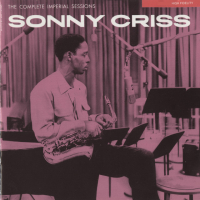
Frank Wess

Jazz
Big band Jazz
Bebop
 Viberate Rank: 190358
 Viberate Rank: 190358
 Monthly ListenersFollowers
 Subscribers
 Followers
 Followers
 FansTop Spotify Songs
| Track | 7-Day Streams | |
|---|---|---|
1 | 2.45K | |
2 | 2.45K | |
3 | 1.31K | |
4 | 1.31K | |
5 | 1.31K |
Top YouTube VideosMonthly ListenersFeatured in Playlists| Playlist | Followers | |
|---|---|---|
1 |  JAZZ CHILLOUT 1296362009 | 44.19K |
2 |  Indications' Inspirations Durand Jones & The Indications | 35.68K |
3 |  Cheat Sheet: J Dilla Okayplayer | 26.94K |
4 |  LINDY HOP Dance Music Li Smuki | 22.75K |
5 |  Mellow Jazz For Late At Night NgaioMan | 21.76K |
Audience| City | Monthly Listeners | |
|---|---|---|
1 | | 234 |
2 | | 205 |
3 | | 189 |
4 |  | 187 |
5 | | 141 |
See full performance history, audience data, playlist activity, rankings, comparisons, and more in Viberate music analytics. Start with a free trial, then continue with a paid plan.
Frank Wess’ Spotify BioOne of the first major jazz flutists, Frank Wess was also a top Lester Young-influenced tenor man, an expert first altoist, and an occasional composer/arranger -- certainly a valuable man to have around. Early on he toured with Blanche Calloway, served in the military, and had stints with the Billy Eckstine Orchestra (1946), Eddie Heywood, Lucky Millinder, and R&B star Bull Moose Jackson. That was all just a prelude to Wess' important period with Count Basie's big band, from 1953-1964. His flute playing, so expertly utilized in Neal Hefti's arrangements, gave the Basie Orchestra a fresh new sound, and his cool-toned tenor contrasted well with the more passionate sound of fellow tenor Frank Foster; Wess also had opportunities to play alto with the classic big band. Wess subsequently freelanced in countless settings, playing with Clark Terry's big band, the New York Jazz Quartet (with Roland Hanna) during the second half of the 1970s, Dameronia (1981-1985), and Toshiko Akiyoshi's big… band, and also had occasional reunions with Frank Foster. Frank Wess led sessions for Commodore (1954), Savoy, Prestige, Moodsville, Pablo (with Foster), Progressive, Uptown, Concord, and Town Crier. He died of a heart attack at the age of 91 in Manhattan on October 30, 2013. ~ Scott Yanow, Rovi
Viberate is a music analytics platform built for A&Rs, artist managers, labels, booking agents, marketers, and artists.
It helps music professionals track artist growth, analyze audience data, monitor playlist activity, compare artists, follow song performance, and identify opportunities across the music market.
Public artist pages provide a free preview of selected artist data. Paid plans provide access to deeper analytics, historical data, charts, comparisons, playlist tools, exports, alerts, reports, and additional professional features.
Yes. Public Viberate artist pages provide selected artist analytics and music data for free.
Viberate also offers a 7-day free trial of the full platform. A credit card is required to start the trial. The trial includes access to the complete product so users can test deeper artist analytics, historical views, playlist insights, comparisons, charts, exports, alerts, and reporting features before choosing a paid plan.
Viberate provides artist analytics across streaming, playlists, social media, video, radio airplay, songs, and audience markets.
Users can analyze Spotify performance, Spotify and Apple Music playlists, YouTube activity, TikTok and Instagram growth, radio spins, song performance, audience locations, demographics, rankings, and overall artist momentum.
Artist profiles also connect to music charts, similar artists, and comparison tools, helping users benchmark performance and evaluate artists in context.
Viberate updates key artist and track data daily.
For followed artists and tracks, selected data is refreshed multiple times per day. This helps teams monitor playlist changes, streaming movement, audience growth, releases, and campaign performance with more current data.
Update frequency can vary depending on the metric and data source.
Yes. Viberate lets users compare up to five artists side by side across streaming, social media, audience, and engagement metrics.
Users can compare fanbase growth, audience demographics, locations, Spotify performance, social metrics, and other artist data over selected time periods.
Artist comparison can be used for A&R scouting, benchmarking, booking decisions, campaign planning, and evaluating artists with similar audiences or market positions.