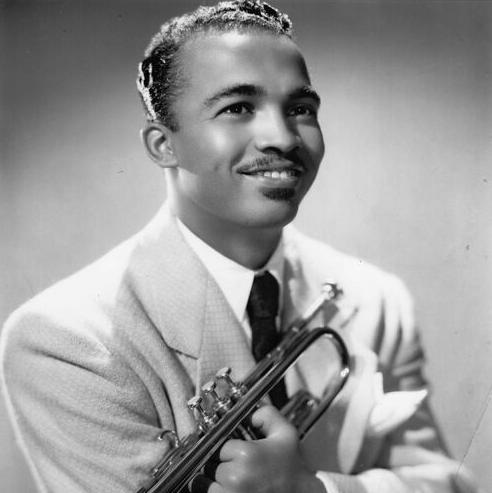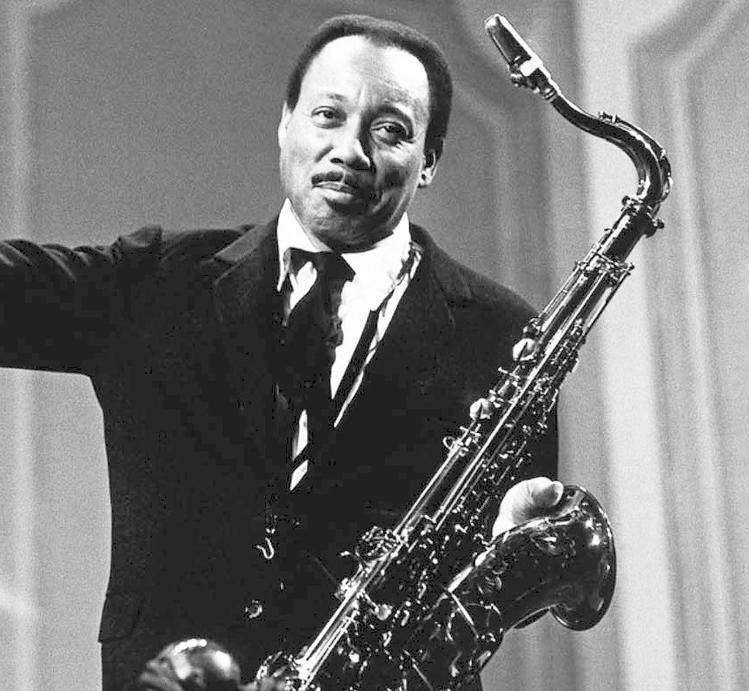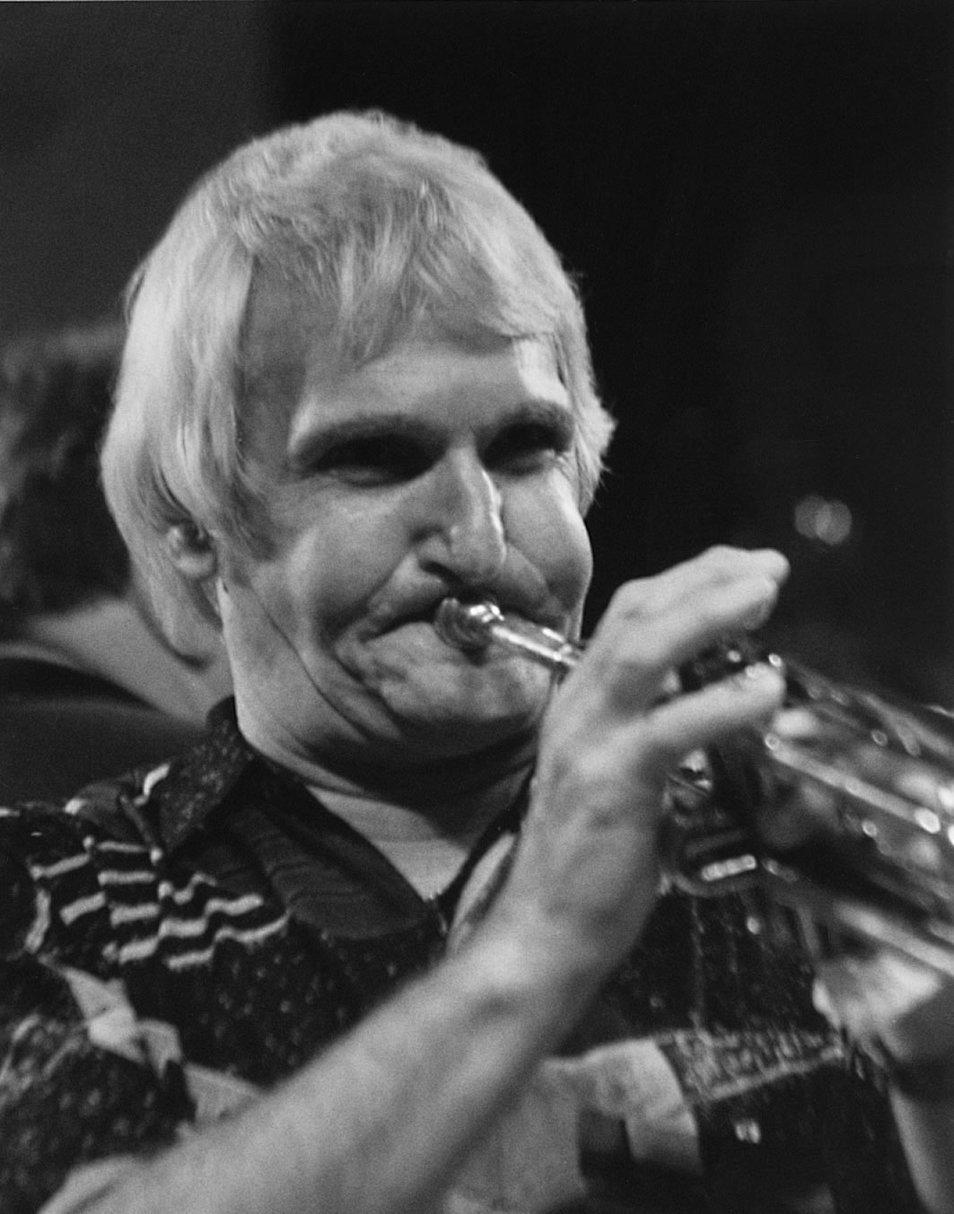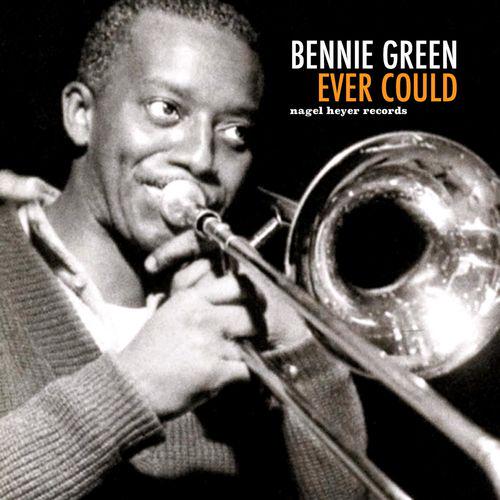
Bennie Green

Jazz
Bebop
 Viberate Rank: 233591
 Viberate Rank: 233591
 Monthly ListenersFollowers
 Subscribers
 Followers
 Followers
 FansTop Spotify SongsTop YouTube VideosMonthly ListenersFeatured in Playlists
| Playlist | Followers | |
|---|---|---|
1 |  Better call Saul Season 1 & 2 & 3 & 4 & 5 & 6 jo_flick | 28.05K |
2 |  Midnight Jazz Bar 🍸 by Don's Tunes Don's Tunes | 11.61K |
3 | jazz,funk,soul,blues,afrobeat,latin İlker Özalp | 11.48K |
4 | 武さん | 11.33K |
5 |  JAZZ: Jazz Noir [50s & 60s] danvey.exe | 6.49K |
Audience| City | Monthly Listeners | |
|---|---|---|
1 |  | 69 |
2 | | 67 |
3 | | 51 |
4 |  | 47 |
5 |  | 41 |
See full performance history, audience data, playlist activity, rankings, comparisons, and more in Viberate music analytics. Start with a free trial, then continue with a paid plan.
Bennie Green’s Spotify BioA capable bebop soloist despite his style having firm swing-era roots, Bennie Green was a major trombonist and bandleader in the 1940s, '50s, and '60s. His sound and tone were large and round, and his approach was heavily influenced by traditionalists like Trummy Young. Green's solos were enjoyable and always well-executed, but he was never as ambitious in his playing as latter-day trombonists like J.J. Johnson or Curtis Fuller.
Green had a musical background: one of his brothers played tenor sax with Roy Eldridge's band. He studied at the famous Du Sable High School in Chicago under Capt. Walt Dyett, then began playing professionally with local groups. Budd Johnson recommended Green to Earl Hines in the early '40s, and he worked with Hines until 1948 (except for two-year stint in the Army). Green played with Gene Ammons for a short time, then with Charlie Ventura in the late '40s and early '50s. He toured with Hines again from 1951 until 1953.
Green led his own combo in the '50s and… '60s, often playing with either Charlie Rouse or Jimmy Forrest. He also worked with Sonny Clark, Paul Chambers, Sarah Vaughan, Ike Quebec, Booker Ervin, and Elvin Jones. Green performed and recorded with Duke Ellington in 1968, playing on his second sacred concert. He settled in Las Vegas in the late '60s, working in hotel bands. Green was also featured on recordings made at the Newport in New York festival in the early '70s. He recorded as a leader for Jubilee, Prestige, Blue Note, Enrica, Time, and Vee Jay. ~ Ron Wynn & Michael G. Nastos, Rovi
Viberate is a music analytics platform built for A&Rs, artist managers, labels, booking agents, marketers, and artists.
It helps music professionals track artist growth, analyze audience data, monitor playlist activity, compare artists, follow song performance, and identify opportunities across the music market.
Public artist pages provide a free preview of selected artist data. Paid plans provide access to deeper analytics, historical data, charts, comparisons, playlist tools, exports, alerts, reports, and additional professional features.
Yes. Public Viberate artist pages provide selected artist analytics and music data for free.
Viberate also offers a 7-day free trial of the full platform. A credit card is required to start the trial. The trial includes access to the complete product so users can test deeper artist analytics, historical views, playlist insights, comparisons, charts, exports, alerts, and reporting features before choosing a paid plan.
Viberate provides artist analytics across streaming, playlists, social media, video, radio airplay, songs, and audience markets.
Users can analyze Spotify performance, Spotify and Apple Music playlists, YouTube activity, TikTok and Instagram growth, radio spins, song performance, audience locations, demographics, rankings, and overall artist momentum.
Artist profiles also connect to music charts, similar artists, and comparison tools, helping users benchmark performance and evaluate artists in context.
Viberate updates key artist and track data daily.
For followed artists and tracks, selected data is refreshed multiple times per day. This helps teams monitor playlist changes, streaming movement, audience growth, releases, and campaign performance with more current data.
Update frequency can vary depending on the metric and data source.
Yes. Viberate lets users compare up to five artists side by side across streaming, social media, audience, and engagement metrics.
Users can compare fanbase growth, audience demographics, locations, Spotify performance, social metrics, and other artist data over selected time periods.
Artist comparison can be used for A&R scouting, benchmarking, booking decisions, campaign planning, and evaluating artists with similar audiences or market positions.