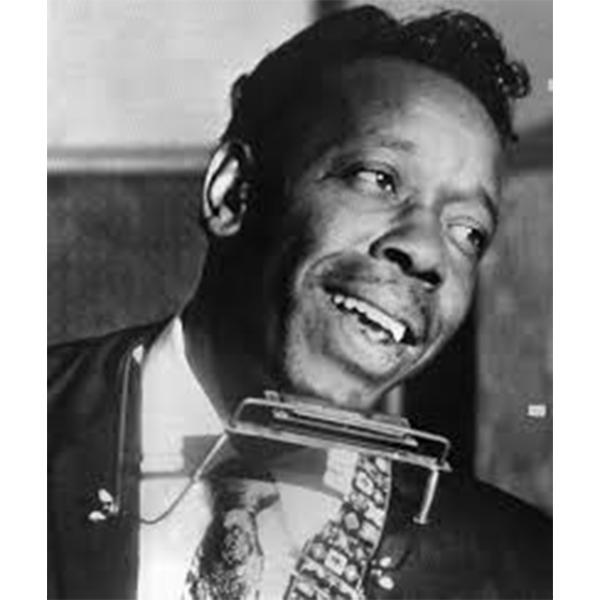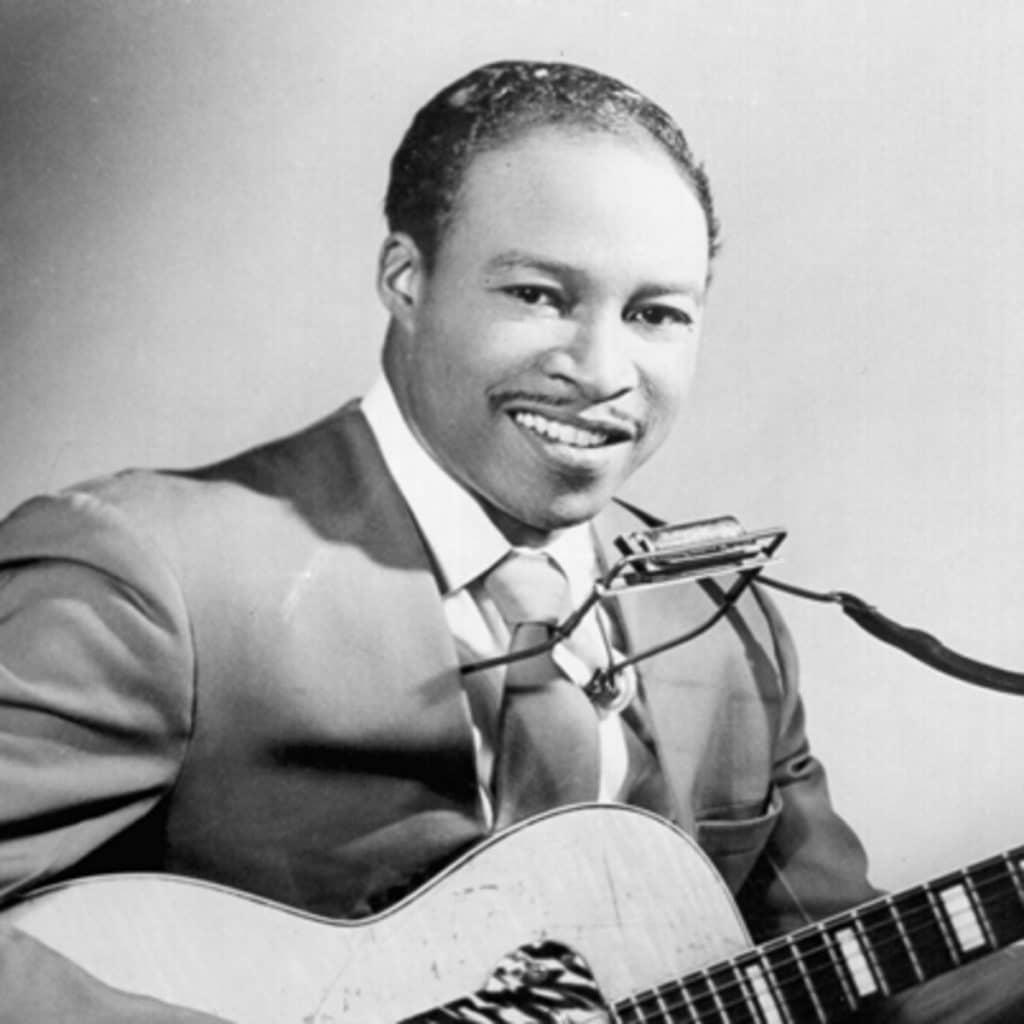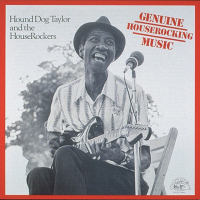
Hound Dog Taylor

Blues
Classic Blues
Contemporary Blues
 Viberate Rank: 124926
 Viberate Rank: 124926
 Monthly ListenersFollowers
 Subscribers
 Followers
 Followers
 FansTop Spotify Songs
| Track | 7-Day Streams | |
|---|---|---|
1 | 4.76K | |
2 | 3.55K | |
3 | 2.49K | |
4 | 1.55K | |
5 | 1.51K |
Top YouTube VideosMonthly ListenersFeatured in Playlists| Playlist | Followers | |
|---|---|---|
1 |  Supernatural Soundtrack [All Seasons] Solitude Collective | 507.85K |
2 |  Dean Winchester's Impala Playlist Ekin | 161.83K |
3 | Dean’s playlist Queen Rhaenyra | 81.91K |
4 | gem42 | 68.62K |
5 |  Greatest Blues Jared Kerkhof | 56.18K |
Audience| City | Monthly Listeners | |
|---|---|---|
1 |  | 684 |
2 | | 624 |
3 | | 515 |
4 |  | 496 |
5 |  | 489 |
See full performance history, audience data, playlist activity, rankings, comparisons, and more in Viberate music analytics. Start with a free trial, then continue with a paid plan.
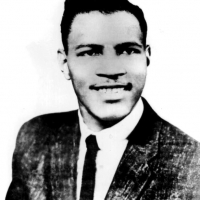
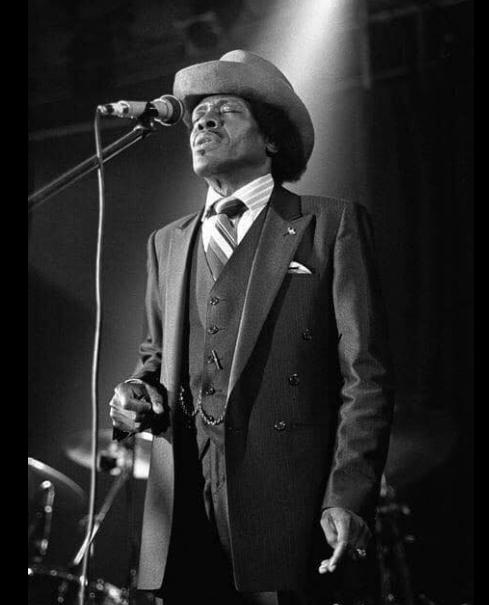
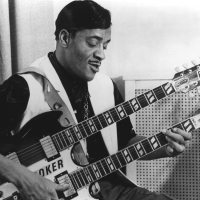
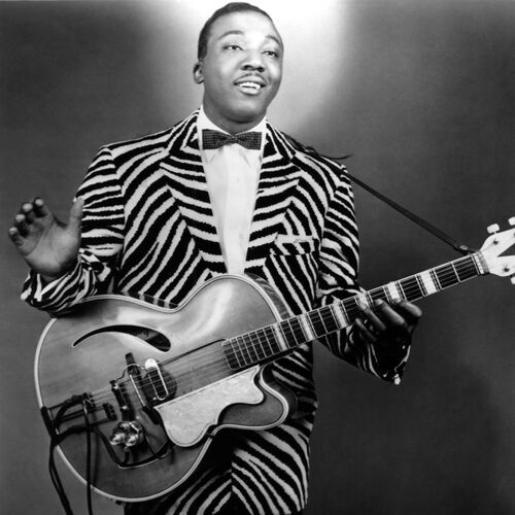
Hound Dog Taylor’s Spotify BioAlligator Records, Chicago's leading contemporary blues label, might never have been launched at all if not for the crashing, slashing slide guitar antics of Hound Dog Taylor. Bruce Iglauer, then an employee of Delmark Records, couldn't convince his boss, Bob Koester, of Taylor's potential, so Iglauer took matters into his own hands. In 1971, Alligator was born for the express purpose of releasing Hound Dog's debut album. We all know what transpired after that.
Named after President Theodore Roosevelt, Mississippi-native Taylor took up the guitar when he was 20 years old. He made a few appearances on Sonny Boy Williamson's fabled KFFA King Biscuit Time radio broadcasts out of Helena, Arkansas, before coming to Chicago in 1942. It was another 15 years before Taylor made blues his full-time vocation, though. Taylor was a favorite on Chicago's South and West sides during the late '50s and early '60s. It's generally accepted that Freddy King copped a good portion of his classic "Hide Away"… from an instrumental he heard Taylor cranking out on the bandstand.
Taylor's pre-Alligator credits were light -- only a 1960 single for Cadillac Baby's Bea & Baby imprint ("Baby Is Coming Home"/"Take Five"), a 1962 45 for Carl Jones' Firma Records ("Christine"/"Alley Music"), and a 1967 effort for Checker ("Watch Out"/"Down Home") predated his output for Iglauer.
Taylor's relentlessly raucous band, the HouseRockers, consisted of only two men, though their combined racket sounded like quite a few more. Second guitarist Brewer Phillips, who often supplied buzzing pseudo-basslines on his guitar, had developed such an empathy with Taylor that their guitars intertwined with ESP-like force, while drummer Ted Harvey kept everything moving along at a brisk pace.
Their eponymous 1971 debut LP contained the typically rowdy "Give Me Back My Wig," while Taylor's first Alligator encore in 1973, Natural Boogie, boasted the hypnotic "Sadie" and a stomping "Roll Your Moneymaker." Beware of the Dog, a live set, vividly captured the good-time vibe that the perpetually beaming guitarist emanated, but Taylor didn't live to see its release -- he died of cancer shortly before it hit the shelves.
Hound Dog Taylor was the obvious inspiration for Alligator's "Genuine Houserocking Music" motto, a credo Iglauer's firm has followed for four decades and counting. He wasn't the most accomplished of slide guitarists, but Hound Dog Taylor could definitely rock any house that he played. ~ Bill Dahl, Rovi
Viberate is a music analytics platform built for A&Rs, artist managers, labels, booking agents, marketers, and artists.
It helps music professionals track artist growth, analyze audience data, monitor playlist activity, compare artists, follow song performance, and identify opportunities across the music market.
Public artist pages provide a free preview of selected artist data. Paid plans provide access to deeper analytics, historical data, charts, comparisons, playlist tools, exports, alerts, reports, and additional professional features.
Yes. Public Viberate artist pages provide selected artist analytics and music data for free.
Viberate also offers a 7-day free trial of the full platform. A credit card is required to start the trial. The trial includes access to the complete product so users can test deeper artist analytics, historical views, playlist insights, comparisons, charts, exports, alerts, and reporting features before choosing a paid plan.
Viberate provides artist analytics across streaming, playlists, social media, video, radio airplay, songs, and audience markets.
Users can analyze Spotify performance, Spotify and Apple Music playlists, YouTube activity, TikTok and Instagram growth, radio spins, song performance, audience locations, demographics, rankings, and overall artist momentum.
Artist profiles also connect to music charts, similar artists, and comparison tools, helping users benchmark performance and evaluate artists in context.
Viberate updates key artist and track data daily.
For followed artists and tracks, selected data is refreshed multiple times per day. This helps teams monitor playlist changes, streaming movement, audience growth, releases, and campaign performance with more current data.
Update frequency can vary depending on the metric and data source.
Yes. Viberate lets users compare up to five artists side by side across streaming, social media, audience, and engagement metrics.
Users can compare fanbase growth, audience demographics, locations, Spotify performance, social metrics, and other artist data over selected time periods.
Artist comparison can be used for A&R scouting, benchmarking, booking decisions, campaign planning, and evaluating artists with similar audiences or market positions.