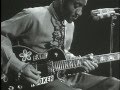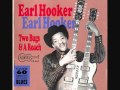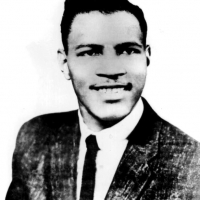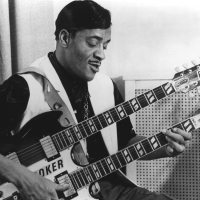
Earl Hooker

Blues
Classic Blues
 Viberate Rank: 107541
 Viberate Rank: 107541
 Monthly ListenersFollowers
 Subscribers
 Followers
 Followers
 FansTop Spotify Songs
| Track | 7-Day Streams | |
|---|---|---|
1 | 23.38K | |
2 | 11.27K | |
3 | 6.44K | |
4 | 4.47K | |
5 | 3.26K |
Top YouTube VideosMonthly ListenersFeatured in Playlists| Playlist | Followers | |
|---|---|---|
1 |  Blues Classics Spotify | 2.33M |
2 |  50s Party Spotify | 313.80K |
3 |  Chicago Blues Spotify | 191.01K |
4 |  Blues Guitar Masters Alec Wilson | 66.56K |
5 |  Greatest Blues Jared Kerkhof | 56.16K |
Audience| City | Monthly Listeners | |
|---|---|---|
1 |  | 1.80K |
2 | | 981 |
3 |  | 965 |
4 |  | 907 |
5 |  | 860 |
See full performance history, audience data, playlist activity, rankings, comparisons, and more in Viberate music analytics. Start with a free trial, then continue with a paid plan.
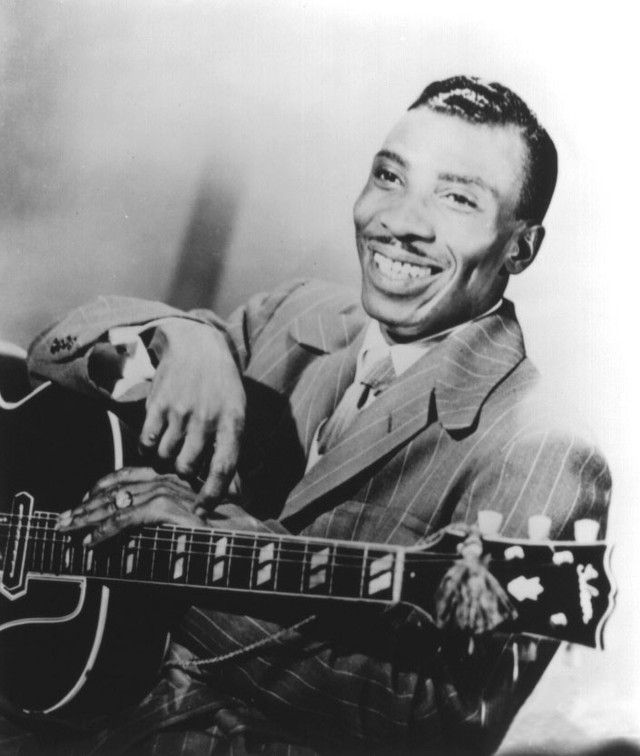
Earl Hooker’s Spotify BioIf there was a more immaculate slide guitarist residing in Chicago during the 1950s and '60s than Earl Hooker, his name has yet to surface. Boasting a fretboard touch so smooth and clean that every note rang as clear and precise as a bell, Hooker was an endlessly inventive axeman who would likely have been a star had his modest vocal abilities matched his instrumental prowess and had he not been dogged by tuberculosis (it killed him at age 41).
Born in the Mississippi Delta, Hooker arrived in Chicago as a child. There he was influenced by another slide wizard, veteran Robert Nighthawk. But Hooker never remained still for long. He ran away from home at age 13, journeying to Mississippi. After another stint in Chicago, he rambled back to the Delta again, playing with Ike Turner and Sonny Boy Williamson. Hooker made his first recordings in 1952 and 1953 for Rockin', King, and Sun. At the latter, he recorded some terrific sides with pianist Pinetop Perkins (Sam Phillips inexplicably sat on… Hooker's blazing rendition of "The Hucklebuck").
Back in Chicago again, Hooker's dazzling dexterity was intermittently showcased on singles for Argo, C.J., and Bea & Baby during the mid- to late '50s before he joined forces with producer Mel London (owner of the Chief and Age logos) in 1959. For the next four years, he recorded both as sideman and leader for the producer, backing Junior Wells, Lillian Offitt, Ricky Allen, and A.C. Reed and cutting his own sizzling instrumentals ("Blue Guitar," "Blues in D-Natural"). He also contributed pungent slide work to Muddy Waters' Chess waxing "You Shook Me." Opportunities to record grew sparse after Age folded; Hooker made some tantalizing sides for Sauk City, WI's Cuca Records from 1964 to 1968 (several featuring steel guitar virtuoso Freddie Roulette).
Hooker's amazing prowess (he even managed to make the dreaded wah-wah pedal a viable blues tool) finally drew increased attention during the late '60s. He cut LPs for Arhoolie, ABC-BluesWay, and Blue Thumb that didn't equal what he'd done at Age, but they did serve to introduce Hooker to an audience outside Chicago and wherever his frequent travels deposited him. But tuberculosis halted his wandering ways permanently in 1970. ~ Bill Dahl, Rovi
Viberate is a music analytics platform built for A&Rs, artist managers, labels, booking agents, marketers, and artists.
It helps music professionals track artist growth, analyze audience data, monitor playlist activity, compare artists, follow song performance, and identify opportunities across the music market.
Public artist pages provide a free preview of selected artist data. Paid plans provide access to deeper analytics, historical data, charts, comparisons, playlist tools, exports, alerts, reports, and additional professional features.
Yes. Public Viberate artist pages provide selected artist analytics and music data for free.
Viberate also offers a 7-day free trial of the full platform. A credit card is required to start the trial. The trial includes access to the complete product so users can test deeper artist analytics, historical views, playlist insights, comparisons, charts, exports, alerts, and reporting features before choosing a paid plan.
Viberate provides artist analytics across streaming, playlists, social media, video, radio airplay, songs, and audience markets.
Users can analyze Spotify performance, Spotify and Apple Music playlists, YouTube activity, TikTok and Instagram growth, radio spins, song performance, audience locations, demographics, rankings, and overall artist momentum.
Artist profiles also connect to music charts, similar artists, and comparison tools, helping users benchmark performance and evaluate artists in context.
Viberate updates key artist and track data daily.
For followed artists and tracks, selected data is refreshed multiple times per day. This helps teams monitor playlist changes, streaming movement, audience growth, releases, and campaign performance with more current data.
Update frequency can vary depending on the metric and data source.
Yes. Viberate lets users compare up to five artists side by side across streaming, social media, audience, and engagement metrics.
Users can compare fanbase growth, audience demographics, locations, Spotify performance, social metrics, and other artist data over selected time periods.
Artist comparison can be used for A&R scouting, benchmarking, booking decisions, campaign planning, and evaluating artists with similar audiences or market positions.