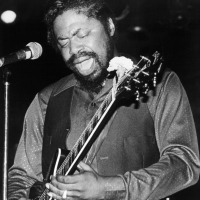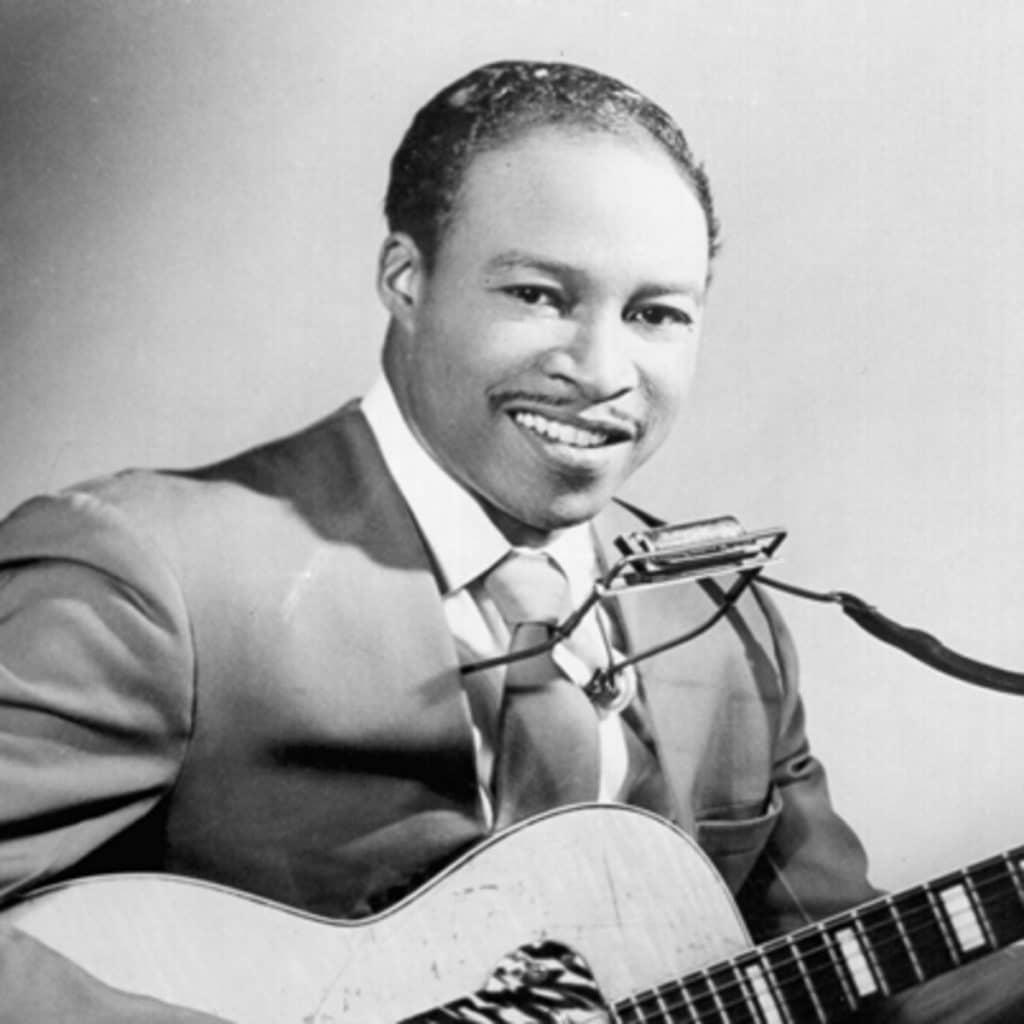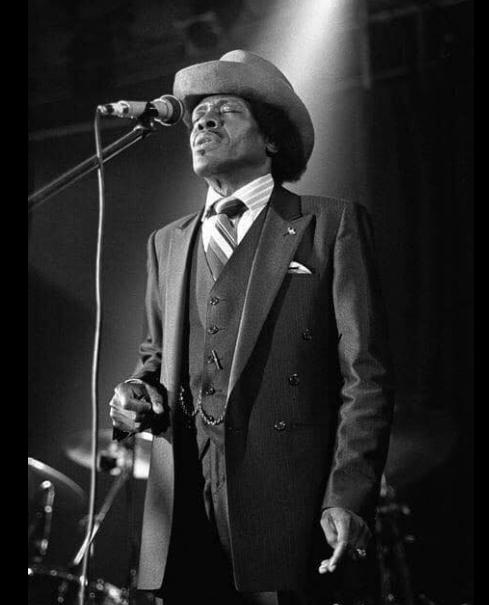
Junior Wells

Blues
Classic Blues
 Viberate Rank: 69643
 Viberate Rank: 69643
 Monthly ListenersFollowers
 Subscribers
 Followers
 Followers
 FansTop Spotify Songs
| Track | 7-Day Streams | |
|---|---|---|
1 | 5.84K | |
2 | 5.03K | |
3 | 3.81K | |
4 | 3.74K | |
5 | 3.73K |
Top YouTube VideosMonthly ListenersFeatured in Playlists| Playlist | Followers | |
|---|---|---|
1 |  Blues Masters Filtr Legacy Sweden | 226.82K |
2 |  Chicago Blues Spotify | 191.01K |
3 |  Roots of Rock & Roll Spotify | 95.16K |
4 |  Whiskey Blues 🥃 Тhe Original | The Best Slow Blues / Blues Rock Don's Tunes | 85.92K |
5 |  Funky Blues Spotify | 67.72K |
Audience| City | Monthly Listeners | |
|---|---|---|
1 |  | 1.90K |
2 | | 1.59K |
3 |  | 1.45K |
4 | | 1.43K |
5 |  | 1.37K |
See full performance history, audience data, playlist activity, rankings, comparisons, and more in Viberate music analytics. Start with a free trial, then continue with a paid plan.
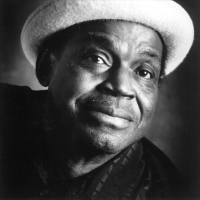
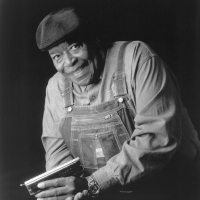
Junior Wells’ Spotify BioHe was one bad dude, strutting across the stage like a harp-toting gangster, mesmerizing the crowd with his tough-guy antics and rib-sticking Chicago blues attack. Amazingly, Junior Wells kept at precisely this sort of thing for over 40 years; he was an active performer from the dawn of the '50s until his death in the late '90s. Born in Memphis, Wells learned his earliest harp licks from another future legend, Little Junior Parker, before he came to Chicago at age 12. In 1950, the teenager passed an impromptu audition for guitarists Louis and David Myers at a house party on the South Side, and the Deuces were born. When drummer Fred Below came aboard, they changed their name to the Aces.
Little Walter left Muddy Waters in 1952 (in the wake of his hit instrumental "Juke"), and Wells jumped ship to take his place with Waters. That didn't stop the Aces (who joined forces with Little Walter) from backing Wells on his initial sessions for States Records, though -- his debut date produced… some seminal Chicago blues efforts, including his first reading of "Hoodoo Man," a rollicking "Cut That Out," and the blazing instrumentals "Eagle Rock" and "Junior's Wail." More fireworks ensued the next year when he encored for States with a mournful "So All Alone" and the jumping "Lawdy! Lawdy!" (Muddy Waters moonlighted on guitar for the session). Wells was already exhibiting his tempestuous side -- he was allegedly AWOL from the Army at the time.
In 1957, Wells hooked up with producer Mel London, who owned the Chief and Profile logos. The association resulted in many of Wells' most enduring sides, including "I Could Cry" and the rock & rolling "Lovey Dovey Lovely One" in 1957, the grinding national R&B hit "Little by Little" (with Willie Dixon providing vocal harmony) in 1959, and the R&B-laced classic "Messin' with the Kid" in 1960 (sporting Earl Hooker's immaculate guitar work). Wells' harp was de-emphasized during this period on record in favor of his animated vocals. With Bob Koester producing, the harpist cut an all-time classic LP for Delmark in 1965. Hoodoo Man Blues vividly captured the feel of a typical Wells set at Theresa's Lounge, even though it was cut in a studio. With Buddy Guy (initially billed as "Friendly Chap" due to his contract with Chess) providing concise lead guitar, Wells laid down definitive versions of "Snatch It Back and Hold It," "You Don't Love Me," and "Chitlin' con Carne."
The harpist made his second appearance on the national R&B lists in 1968 with a funky James Brown-tinged piece, "You're Tuff Enough," for Mercury's feisty Blue Rock logo. Wells had been working in this bag for some time, alarming the purists but delighting R&B fans; his brass-powered 1966 single for Bright Star, "Up in Heah," had previously made a lot of local noise. After a fine mid-'70s set for Delmark (On Tap), little was heard from Wells on vinyl for an extended spell, though he continued to enjoy massive appeal at home (Theresa's was his principal haunt for many a moon) and abroad (whether on his own or in partnership with Guy; they opened for the Rolling Stones on one memorable tour and cut an inconsistent but interesting album for Atco in the early '70s).
Toward the end of his career, Wells just didn't seem to be into recording anymore; a pair of sets for Telarc in the early '90s were major disappointments, but his last studio session, 1997's Come on in This House, found him on the rebound and the critics noticed: the album won the W.C. Handy Blues Award for Traditional Blues Album in 1997. Even when he came up short in the studio, Wells remained a potent live attraction, cutting a familiar swaggering figure, commanding the attention of everyone in the room with one menacing yelp or a punctuating blast from his amplified harmonica. He continued performing until he was diagnosed with lymphatic cancer in the summer of 1997. That fall, he suffered a heart attack while undergoing treatment, sending him into a coma. Wells stayed in the coma until he passed away on January 15, 1998. A handful of compilations were released shortly after his death, as was the film Blues Brothers 2000, which featured a cameo by Wells. ~ Bill Dahl, Rovi
Viberate is a music analytics platform built for A&Rs, artist managers, labels, booking agents, marketers, and artists.
It helps music professionals track artist growth, analyze audience data, monitor playlist activity, compare artists, follow song performance, and identify opportunities across the music market.
Public artist pages provide a free preview of selected artist data. Paid plans provide access to deeper analytics, historical data, charts, comparisons, playlist tools, exports, alerts, reports, and additional professional features.
Yes. Public Viberate artist pages provide selected artist analytics and music data for free.
Viberate also offers a 7-day free trial of the full platform. A credit card is required to start the trial. The trial includes access to the complete product so users can test deeper artist analytics, historical views, playlist insights, comparisons, charts, exports, alerts, and reporting features before choosing a paid plan.
Viberate provides artist analytics across streaming, playlists, social media, video, radio airplay, songs, and audience markets.
Users can analyze Spotify performance, Spotify and Apple Music playlists, YouTube activity, TikTok and Instagram growth, radio spins, song performance, audience locations, demographics, rankings, and overall artist momentum.
Artist profiles also connect to music charts, similar artists, and comparison tools, helping users benchmark performance and evaluate artists in context.
Viberate updates key artist and track data daily.
For followed artists and tracks, selected data is refreshed multiple times per day. This helps teams monitor playlist changes, streaming movement, audience growth, releases, and campaign performance with more current data.
Update frequency can vary depending on the metric and data source.
Yes. Viberate lets users compare up to five artists side by side across streaming, social media, audience, and engagement metrics.
Users can compare fanbase growth, audience demographics, locations, Spotify performance, social metrics, and other artist data over selected time periods.
Artist comparison can be used for A&R scouting, benchmarking, booking decisions, campaign planning, and evaluating artists with similar audiences or market positions.