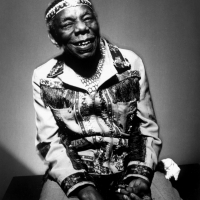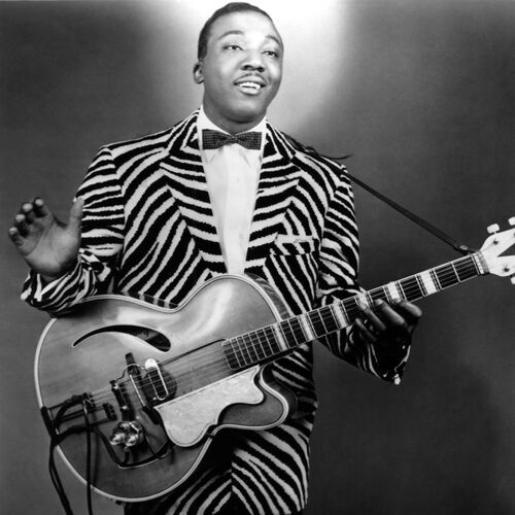
J.B. Lenoir

Blues
Classic Blues
Contemporary Blues
 Viberate Rank: 139825
 Viberate Rank: 139825
 Monthly ListenersFollowers
 Subscribers
 Followers
 Followers
 FansTop Spotify Songs
| Track | 7-Day Streams | |
|---|---|---|
1 | 8.07K | |
2 | 3.52K | |
3 | 1.81K | |
4 | 1.61K | |
5 | 1.16K |
Top YouTube VideosMonthly ListenersFeatured in Playlists| Playlist | Followers | |
|---|---|---|
1 |  Acoustic Blues Spotify | 873.88K |
2 |  Greatest Blues Jared Kerkhof | 56.16K |
3 |  Old/Delta Blues (1920s-1960s) Graylon | 52.00K |
4 |  Essential Classics Essential Classics | 31.39K |
5 | Slow Blues The Blues Room | 28.09K |
Audience| City | Monthly Listeners | |
|---|---|---|
1 |  | 568 |
2 |  | 514 |
3 |  | 450 |
4 | | 413 |
5 |  | 311 |
See full performance history, audience data, playlist activity, rankings, comparisons, and more in Viberate music analytics. Start with a free trial, then continue with a paid plan.
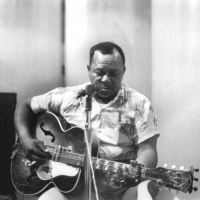
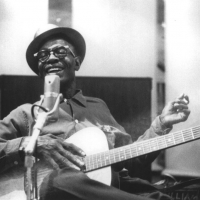
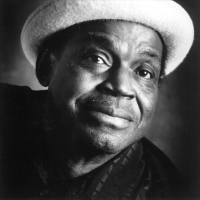
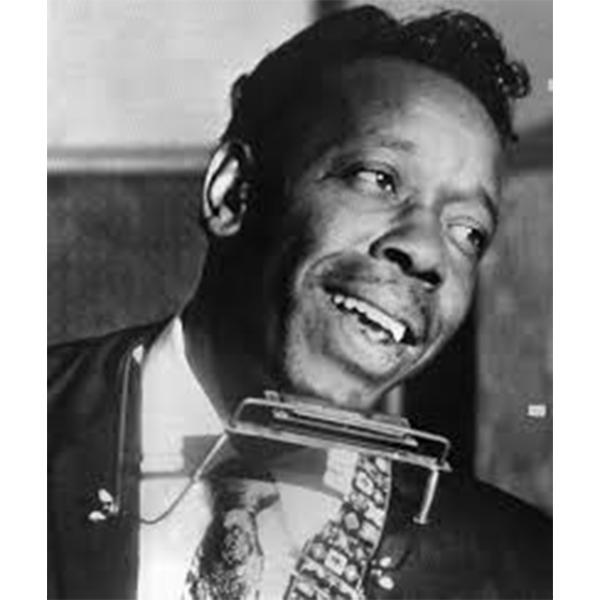
J.B. Lenoir’s Spotify BioNewcomers to his considerable legacy could be forgiven for questioning J.B. Lenoir's gender upon first hearing his rocking waxings. Lenoir's exceptionally high-pitched vocal range is a fooler, but it only adds to the singular appeal of his music. His politically charged "Eisenhower Blues" allegedly caused all sorts of nasty repercussions upon its 1954 emergence on Al Benson's Parrot logo (it was quickly pulled off the shelves and replaced with Lenoir's less controversially titled "Tax Paying Blues").
J.B. (that was his entire legal handle) fell under the spell of Blind Lemon Jefferson as a wee lad, thanks to his guitar-wielding dad. Lightnin' Hopkins and Arthur Crudup were also cited as early influences. Lenoir spent time in New Orleans before arriving in Chicago in the late '40s. Boogie grooves were integral to Lenoir's infectious routine from the get-go, although his first single for Chess in 1951, "Korea Blues," was another slice of topical commentary. From late 1951 to 1953, he… waxed several dates for Joe Brown's JOB logo in the company of pianist Sunnyland Slim, drummer Alfred Wallace, and on the romping "The Mojo," saxophonist J.T. Brown.
Lenoir waxed his most enduring piece, the infectious (and often-covered) "Mama Talk to Your Daughter," in 1954 for Al Benson's Parrot label. Lenoir's 1954-1955 Parrot output and 1955-1958 Checker catalog contained a raft of terrific performances, including a humorously defiant "Don't Touch My Head" (detailing his brand-new process hairdo) and "Natural Man." Lenoir's sound was unique: saxes (usually Alex Atkins and Ernest Cotton) wailed in unison behind Lenoir's boogie-driven rhythm guitar as drummer Al Galvin pounded out a rudimentary backbeat everywhere but where it customarily lays. Somehow, it all fit together.
Scattered singles for Shad in 1958 and Vee-Jay two years later kept Lenoir's name in the public eye. His music was growing substantially by the time he hooked up with USA Records in 1963 (witness the 45's billing: J.B. Lenoir & his African Hunch Rhythm). Even more unusual were the two acoustic albums he cut for German blues promoter Horst Lippmann in 1965 and 1966. Alabama Blues! and Down in Mississippi were done in Chicago under Willie Dixon's supervision, Lenoir now free to elaborate on whatever troubled his mind ("Alabama March," "Vietnam Blues," "Shot on James Meredith").
Little did Lenoir know his time was quickly running out. By the time of his 1967 death, the guitarist had moved to downstate Champaign -- and that's where he died, probably as a delayed result of an auto accident he was involved in three weeks prior to his actual death. ~ Bill Dahl, Rovi
Viberate is a music analytics platform built for A&Rs, artist managers, labels, booking agents, marketers, and artists.
It helps music professionals track artist growth, analyze audience data, monitor playlist activity, compare artists, follow song performance, and identify opportunities across the music market.
Public artist pages provide a free preview of selected artist data. Paid plans provide access to deeper analytics, historical data, charts, comparisons, playlist tools, exports, alerts, reports, and additional professional features.
Yes. Public Viberate artist pages provide selected artist analytics and music data for free.
Viberate also offers a 7-day free trial of the full platform. A credit card is required to start the trial. The trial includes access to the complete product so users can test deeper artist analytics, historical views, playlist insights, comparisons, charts, exports, alerts, and reporting features before choosing a paid plan.
Viberate provides artist analytics across streaming, playlists, social media, video, radio airplay, songs, and audience markets.
Users can analyze Spotify performance, Spotify and Apple Music playlists, YouTube activity, TikTok and Instagram growth, radio spins, song performance, audience locations, demographics, rankings, and overall artist momentum.
Artist profiles also connect to music charts, similar artists, and comparison tools, helping users benchmark performance and evaluate artists in context.
Viberate updates key artist and track data daily.
For followed artists and tracks, selected data is refreshed multiple times per day. This helps teams monitor playlist changes, streaming movement, audience growth, releases, and campaign performance with more current data.
Update frequency can vary depending on the metric and data source.
Yes. Viberate lets users compare up to five artists side by side across streaming, social media, audience, and engagement metrics.
Users can compare fanbase growth, audience demographics, locations, Spotify performance, social metrics, and other artist data over selected time periods.
Artist comparison can be used for A&R scouting, benchmarking, booking decisions, campaign planning, and evaluating artists with similar audiences or market positions.