Magic Sam

Blues
Classic Blues
Contemporary Blues
 Viberate Rank: 96054
 Viberate Rank: 96054
 Monthly ListenersFollowers
 Subscribers
 Followers
 Followers
 FansTop Spotify Songs
| Track | 7-Day Streams | |
|---|---|---|
1 | 7.75K | |
2 | 7.43K | |
3 | 5.17K | |
4 | 5.17K | |
5 | 4.79K |
Top YouTube VideosMonthly ListenersFeatured in Playlists| Playlist | Followers | |
|---|---|---|
1 |  Chicago Blues Spotify | 191.01K |
2 |  Whiskey Blues 🥃 Тhe Original | The Best Slow Blues / Blues Rock Don's Tunes | 85.92K |
3 | While You Work (@whileyouwork) Eli Feghali | 81.75K |
4 |  Boerderij van Dorst BNNVARA | 47.46K |
5 |  Blues Ballads/ Slow Blues Joar Fosså | 39.54K |
Audience| City | Monthly Listeners | |
|---|---|---|
1 | | 881 |
2 |  | 742 |
3 | | 682 |
4 |  | 670 |
5 | | 629 |
See full performance history, audience data, playlist activity, rankings, comparisons, and more in Viberate music analytics. Start with a free trial, then continue with a paid plan.
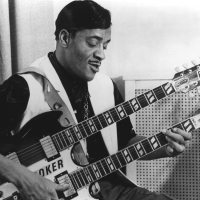
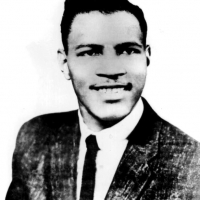
Magic Sam’s Spotify BioNo blues guitarist better represented the adventurous modern sound of Chicago's West side more proudly than Sam Maghett. He died tragically young (at age 32 of a heart attack), just as he was on the brink of climbing the ladder to legitimate stardom, but Magic Sam left behind a thick legacy of bone-cutting blues that remains eminently influential around his old stomping grounds to this day.
Maghett (one of his childhood pals was towering guitarist Morris Holt, who received his Magic Slim handle from Sam) was born in the Mississippi Delta. In 1950, he arrived in Chicago, picking up a few blues guitar pointers from his new neighbor, Syl Johnson (whose brother, Mack Thompson, served as Sam's loyal bassist for much of his professional career). Harpist Shakey Jake Harris, sometimes referred to as the guitarist's uncle, encouraged Sam's blues progress and gigged with him later on, when both were Westside institutions.
Sam's tremolo-rich staccato fingerpicking was an entirely fresh phenomenon… when he premiered it on Eli Toscano's Cobra label in 1957. Prior to his Cobra date, the guitarist had been gigging as Good Rocking Sam, but Toscano wanted to change his nickname to something old-timey like Sad Sam or Singing Sam. No dice, said the newly christened Magic Sam (apparently Mack Thompson's brainstorm). His Cobra debut single, "All Your Love," was an immediate local sensation; its unusual structure would be recycled time and again by Sam throughout his tragically truncated career. Sam's Cobra encores "Everything Gonna Be Alright" and "Easy Baby" borrowed much the same melody but were no less powerful; the emerging Westside sound was now officially committed to vinyl. Not everything Sam cut utilized the tune; "21 Days in Jail" was a pseudo-rockabilly smoker with hellacious lead guitar from Sam and thundering slap bass from the ubiquitous Willie Dixon. Sam also backed Shakey Jake Harris on his lone 45 for Cobra's Artistic subsidiary, "Call Me If You Need Me."
After Cobra folded, Sam didn't follow labelmates Otis Rush and Magic Slim over to Chess. Instead, after enduring an unpleasant Army experience that apparently landed him in jail for desertion, Sam opted to go with Mel London's Chief logo in 1960. His raw-boned Westside adaptation of Fats Domino's mournful "Every Night About This Time" was the unalloyed highlight of his stay at Chief; some other Chief offerings were less compelling.
Gigs on the Westside remained plentiful for the charismatic guitarist, but recording opportunities proved sparse until 1966, when Sam made a 45 for Crash Records. "Out of Bad Luck" brought back that trademark melody again, but it remained as shattering as ever. Another notable 1966 side, the plaintive "That's Why I'm Crying," wound up on Delmark's Sweet Home Chicago anthology, along with Sam's stunning clippity-clop boogie instrumental "Riding High" (aided by the muscular tenor sax of Eddie Shaw).
Delmark Records was the conduit for Magic Sam's two seminal albums, 1967's West Side Soul and the following year's Black Magic. Both LPs showcased the entire breadth of Sam's Westside attack: the first ranged from the soul-laced "That's All I Need" and a searing "I Feel So Good" to the blistering instrumental "Lookin' Good" and definitive remakes of "Mama Talk to Your Daughter" and "Sweet Home Chicago," while Black Magic benefitted from Shaw's jabbing, raspy sax as Sam blasted through the funky "You Belong to Me," an impassioned "What Have I Done Wrong," and a personalized treatment of Freddy King's "San-Ho-Zay."
Sam's reputation was growing exponentially. He wowed an overflow throng at the 1969 Ann Arbor Blues Festival, and Stax was reportedly primed to sign him when his Delmark commitment was over. However, heart problems were fast taking their toll on Sam's health. On the first morning of December of 1969, he complained of heartburn, collapsed, and died.
Even now, more than a quarter-century after his passing, Magic Sam remains the king of Westside blues. That's unlikely to change as long as the subgenre is alive and kicking. ~ Bill Dahl, Rovi
Viberate is a music analytics platform built for A&Rs, artist managers, labels, booking agents, marketers, and artists.
It helps music professionals track artist growth, analyze audience data, monitor playlist activity, compare artists, follow song performance, and identify opportunities across the music market.
Public artist pages provide a free preview of selected artist data. Paid plans provide access to deeper analytics, historical data, charts, comparisons, playlist tools, exports, alerts, reports, and additional professional features.
Yes. Public Viberate artist pages provide selected artist analytics and music data for free.
Viberate also offers a 7-day free trial of the full platform. A credit card is required to start the trial. The trial includes access to the complete product so users can test deeper artist analytics, historical views, playlist insights, comparisons, charts, exports, alerts, and reporting features before choosing a paid plan.
Viberate provides artist analytics across streaming, playlists, social media, video, radio airplay, songs, and audience markets.
Users can analyze Spotify performance, Spotify and Apple Music playlists, YouTube activity, TikTok and Instagram growth, radio spins, song performance, audience locations, demographics, rankings, and overall artist momentum.
Artist profiles also connect to music charts, similar artists, and comparison tools, helping users benchmark performance and evaluate artists in context.
Viberate updates key artist and track data daily.
For followed artists and tracks, selected data is refreshed multiple times per day. This helps teams monitor playlist changes, streaming movement, audience growth, releases, and campaign performance with more current data.
Update frequency can vary depending on the metric and data source.
Yes. Viberate lets users compare up to five artists side by side across streaming, social media, audience, and engagement metrics.
Users can compare fanbase growth, audience demographics, locations, Spotify performance, social metrics, and other artist data over selected time periods.
Artist comparison can be used for A&R scouting, benchmarking, booking decisions, campaign planning, and evaluating artists with similar audiences or market positions.