Dazzling Killmen

Rock
Alternative Rock
Noise Rock
 Viberate Rank: 316165
 Viberate Rank: 316165
 Monthly ListenersFollowers
 Subscribers
 Followers
 Followers
 FansTop Spotify Songs
| Track | 7-Day Streams | |
|---|---|---|
1 | 334 | |
2 | 291 | |
3 | 275 | |
4 | 238 | |
5 | 140 |
Top YouTube VideosMonthly ListenersFeatured in Playlists| Playlist | Followers | |
|---|---|---|
1 |  Skramz Playlist Heart Darts | 16.13K |
2 | produced by Steve Albini Krzysztof Kwiatkowski | 7.46K |
3 |  The Sound of Noise Rock The Sounds of Spotify | 6.06K |
4 | STEVE ALBINI Sorgesalmen | 5.87K |
5 |  The Sound of Math Rock The Sounds of Spotify | 3.43K |
Audience| City | Monthly Listeners | |
|---|---|---|
1 | | 35 |
2 | | 33 |
3 | | 33 |
4 | | 32 |
5 |  | 27 |
See full performance history, audience data, playlist activity, rankings, comparisons, and more in Viberate music analytics. Start with a free trial, then continue with a paid plan.
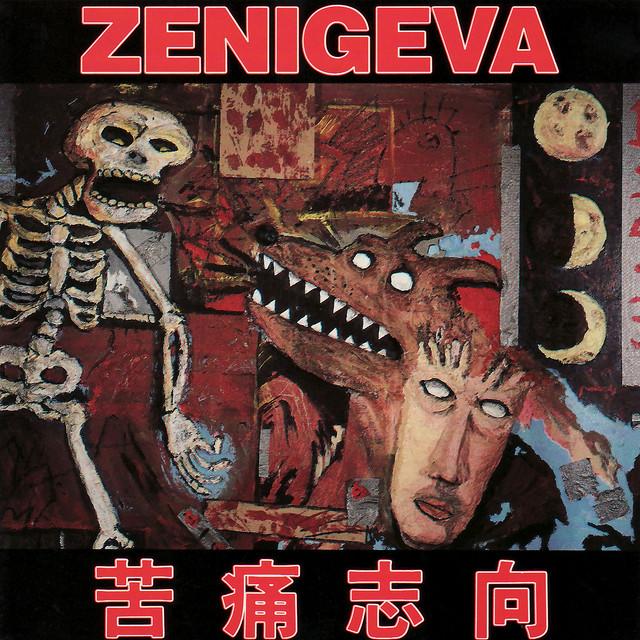
Dazzling Killmen’s Spotify BioOne of the Midwest's hardest-hitting bands of the mid-'90s, the Dazzling Killmen never lived up to the critical success of their appropriately named second album, Face of Collapse. Although the album, released in February 1994, was dubbed the "number one heavy record of the decade" by Alternative Press, it marked the beginning of the end for the St. Louis-based quartet, which disbanded shortly before a planned tour of Japan.
The Dazzling Killmen represented the vision of vocalist/guitarist Nick Sakes, who had recruited original members Darin Gray and Blake Fleming. After several months of honing their sound, the trio released their first single, "Numb" b/w "Bottom Feeder," on Sakes' label, Sawtooth. Releasing their second single, "Torture" b/w "Ghost Limb," on the Crume Life label, they caught the ear of Skin Graft Comex owners and punk rock enthusiasts Mark Fischer and Rob Syers, who launched a production company, Skin Graft, to record their music. With Fischer and Syers' support, the… group began to take major strides. After releasing their third single on the small St. Louis-based Sluggo label, they recorded their debut album, Dig out the Switch, for French noise label Intellectual Convulsion.
Adding a second guitarist, Tim Garrigan, the Dazzling Killmen continued to build a following for their hard-edged music. Their live performances were showcased on a cassette that was only available at their shows and mail order.
Shortly after the breakup of the Dazzling Killmen, Fischer and Syers released a compilation of their singles, Recuerdo. Bassist Darin Gray and guitarist Tim Garrigan continued to work together in an anti-band, You Fantastic, while drummer Blake Fleming formed a new group, Laddio Bolocko. Moving to Minneapolis, Sakes launched a group similar to the Dazzling Killmen, Colossamite. As of 2002, he was performing with another group, Sicbay. ~ Craig Harris, Rovi
Viberate is a music analytics platform built for A&Rs, artist managers, labels, booking agents, marketers, and artists.
It helps music professionals track artist growth, analyze audience data, monitor playlist activity, compare artists, follow song performance, and identify opportunities across the music market.
Public artist pages provide a free preview of selected artist data. Paid plans provide access to deeper analytics, historical data, charts, comparisons, playlist tools, exports, alerts, reports, and additional professional features.
Yes. Public Viberate artist pages provide selected artist analytics and music data for free.
Viberate also offers a 7-day free trial of the full platform. A credit card is required to start the trial. The trial includes access to the complete product so users can test deeper artist analytics, historical views, playlist insights, comparisons, charts, exports, alerts, and reporting features before choosing a paid plan.
Viberate provides artist analytics across streaming, playlists, social media, video, radio airplay, songs, and audience markets.
Users can analyze Spotify performance, Spotify and Apple Music playlists, YouTube activity, TikTok and Instagram growth, radio spins, song performance, audience locations, demographics, rankings, and overall artist momentum.
Artist profiles also connect to music charts, similar artists, and comparison tools, helping users benchmark performance and evaluate artists in context.
Viberate updates key artist and track data daily.
For followed artists and tracks, selected data is refreshed multiple times per day. This helps teams monitor playlist changes, streaming movement, audience growth, releases, and campaign performance with more current data.
Update frequency can vary depending on the metric and data source.
Yes. Viberate lets users compare up to five artists side by side across streaming, social media, audience, and engagement metrics.
Users can compare fanbase growth, audience demographics, locations, Spotify performance, social metrics, and other artist data over selected time periods.
Artist comparison can be used for A&R scouting, benchmarking, booking decisions, campaign planning, and evaluating artists with similar audiences or market positions.