Hammerhead

Rock
Alternative Rock
Noise Rock
 Viberate Rank: 271128
 Viberate Rank: 271128
 Monthly ListenersFollowers
 Subscribers
 Followers
 Followers
 FansTop Spotify Songs
| Track | 7-Day Streams | |
|---|---|---|
1 | 372 | |
2 | 241 | |
3 | 230 | |
4 | 213 | |
5 | 191 |
Top YouTube VideosMonthly ListenersFeatured in Playlists| Playlist | Followers | |
|---|---|---|
1 |  DOOM / SLUDGE / STONER cheznik | 7.77K |
2 |  The Sound of Noise Rock The Sounds of Spotify | 6.06K |
3 |  The Sound of Grunge The Sounds of Spotify | 3.40K |
4 |  The Sound of Post-Hardcore The Sounds of Spotify | 2.98K |
5 | 90s Noise Rock Gianluca Manfredi | 2.02K |
Audience| City | Monthly Listeners | |
|---|---|---|
1 | | 52 |
2 | | 48 |
3 | | 45 |
4 | | 44 |
5 | | 39 |
See full performance history, audience data, playlist activity, rankings, comparisons, and more in Viberate music analytics. Start with a free trial, then continue with a paid plan.
Hammerhead’s Spotify BioWith power and intensity to spare, post-punk hard rock trio Hammerhead could as easily have been called "Sledgehammer" (even if a heavy metal outfit from England hadn't beat them to it). Paul Sanders (vocals, guitar), Paul Erickson (vocals, bass), and Jeff Mooridian Jr. (drums) formed the group in Fargo, ND, around 1990, and moved to Minneapolis, MN, just a few years later. Amphetamine Reptile, which is also located in Minneapolis, released all of their recordings. The band has cited Taxi Driver's Travis Bickle as a guiding influence on their loud, dark, rhythmic approach. Others have compared them to everything from hardboiled pulp fiction authors Jim Thompson and James M. Cain, to brain-pounding noise rock units Unsane, Surgery, and Bastro.
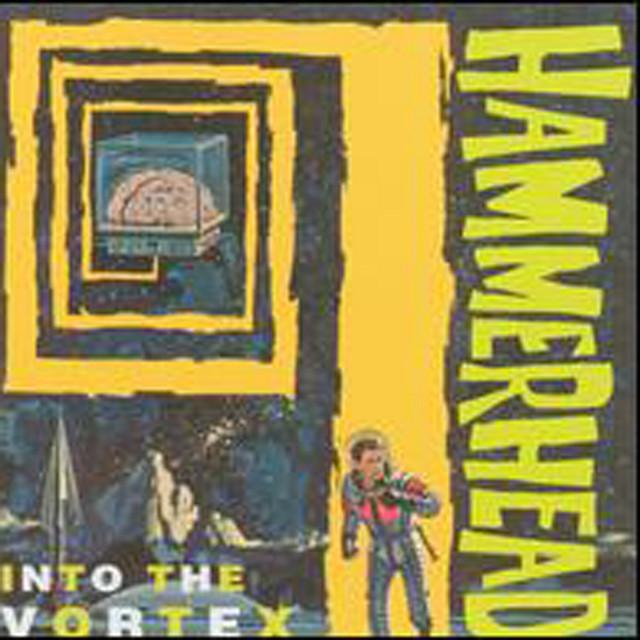
Their vinyl debut was 1991's Peep picture disc single (featuring art by ex-Replacement Chris Mars). It was followed by 1992's Load King, a tour-only single issued on gray vinyl, and 1993's live Evil Twin, another tour-only single. Their first… full-length was 1993's Ethereal Killer, recorded while they were still located in Fargo. Next came the Evil Twin EP, which featured the four songs from the previous 7", two from the picture disc, and a re-recorded version of "Load King" (and was originally issued as a yellow-vinyl 10"). They had relocated to Minneapolis by the time 1994's Into the Vortex hit the streets. It witnessed the trio moving their driving, minimalist sound in a more focused -- but no less uncompromising -- direction with lyrics taking on greater importance. The Taxi Driver influence was driven home by couplets like, "Someone should clean this dirty world/someone should save the pretty girls" ("All This Is Yours") and "The rain came down/blood soaked the streets" ("Brest"). Many fans -- and Hammerhead's fans only seem to have increased since they called it quits -- consider 1996's Duh, the Big City their crowning achievement. Unfortunately, it was to be their last full-length recording, and was followed by only one more release, the tour-only Earth (I Won't Miss) single. The beginning of the end had already arrived when Sanders left the group in 1995. Other guitarists were enlisted to take his place, but none quite stuck. He went on to form more RAM (which later disbanded), while Erickson (billed as Apollo Liftoff) and Mooridian Jr. formed Vaz. ~ Kathleen C. Fennessy, Rovi
Viberate is a music analytics platform built for A&Rs, artist managers, labels, booking agents, marketers, and artists.
It helps music professionals track artist growth, analyze audience data, monitor playlist activity, compare artists, follow song performance, and identify opportunities across the music market.
Public artist pages provide a free preview of selected artist data. Paid plans provide access to deeper analytics, historical data, charts, comparisons, playlist tools, exports, alerts, reports, and additional professional features.
Yes. Public Viberate artist pages provide selected artist analytics and music data for free.
Viberate also offers a 7-day free trial of the full platform. A credit card is required to start the trial. The trial includes access to the complete product so users can test deeper artist analytics, historical views, playlist insights, comparisons, charts, exports, alerts, and reporting features before choosing a paid plan.
Viberate provides artist analytics across streaming, playlists, social media, video, radio airplay, songs, and audience markets.
Users can analyze Spotify performance, Spotify and Apple Music playlists, YouTube activity, TikTok and Instagram growth, radio spins, song performance, audience locations, demographics, rankings, and overall artist momentum.
Artist profiles also connect to music charts, similar artists, and comparison tools, helping users benchmark performance and evaluate artists in context.
Viberate updates key artist and track data daily.
For followed artists and tracks, selected data is refreshed multiple times per day. This helps teams monitor playlist changes, streaming movement, audience growth, releases, and campaign performance with more current data.
Update frequency can vary depending on the metric and data source.
Yes. Viberate lets users compare up to five artists side by side across streaming, social media, audience, and engagement metrics.
Users can compare fanbase growth, audience demographics, locations, Spotify performance, social metrics, and other artist data over selected time periods.
Artist comparison can be used for A&R scouting, benchmarking, booking decisions, campaign planning, and evaluating artists with similar audiences or market positions.