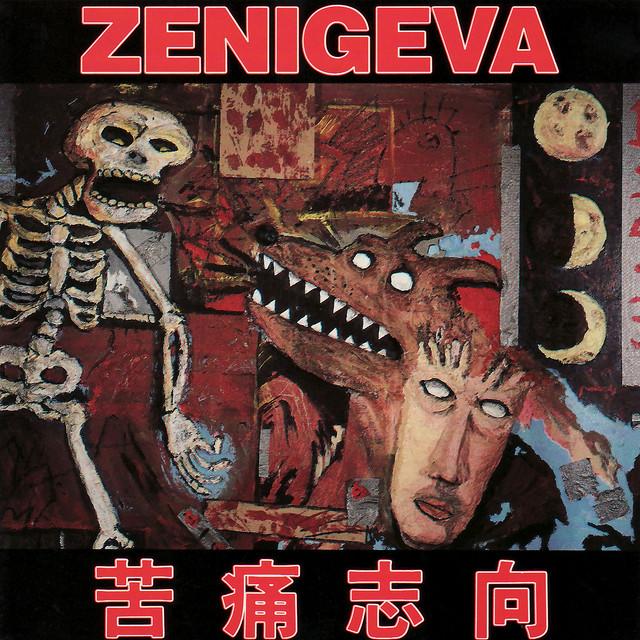
Zeni Geva

Metal
Progressive Metal
Noise Rock
 Viberate Rank: 257132
 Viberate Rank: 257132
 Monthly ListenersFollowers
 Subscribers
 Followers
 Followers
 FansTop Spotify Songs
| Track | 7-Day Streams | |
|---|---|---|
1 | 288 | |
2 | 156 | |
3 | 138 | |
4 | 121 | |
5 | 121 |
Top YouTube VideosMonthly ListenersFeatured in Playlists| Playlist | Followers | |
|---|---|---|
1 |  Japanese Heavy Metal. Thomas | 13.11K |
2 | produced by Steve Albini Krzysztof Kwiatkowski | 7.46K |
3 |  Sevginin Gücü sezyum | 6.54K |
4 |  The Sound of Noise Rock The Sounds of Spotify | 6.06K |
5 | STEVE ALBINI Sorgesalmen | 5.87K |
Audience| City | Monthly Listeners | |
|---|---|---|
1 |  | 33 |
2 |  | 30 |
3 |  | 29 |
4 | | 25 |
5 | | 25 |
See full performance history, audience data, playlist activity, rankings, comparisons, and more in Viberate music analytics. Start with a free trial, then continue with a paid plan.
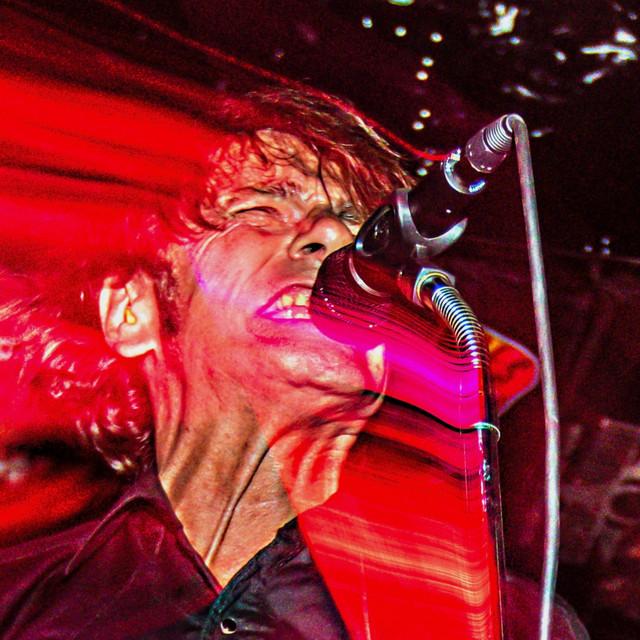
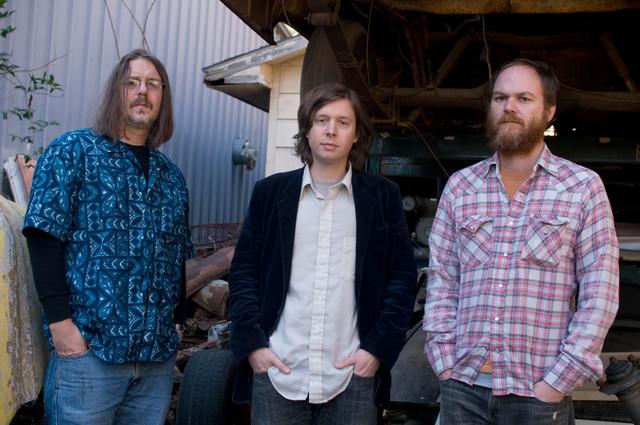
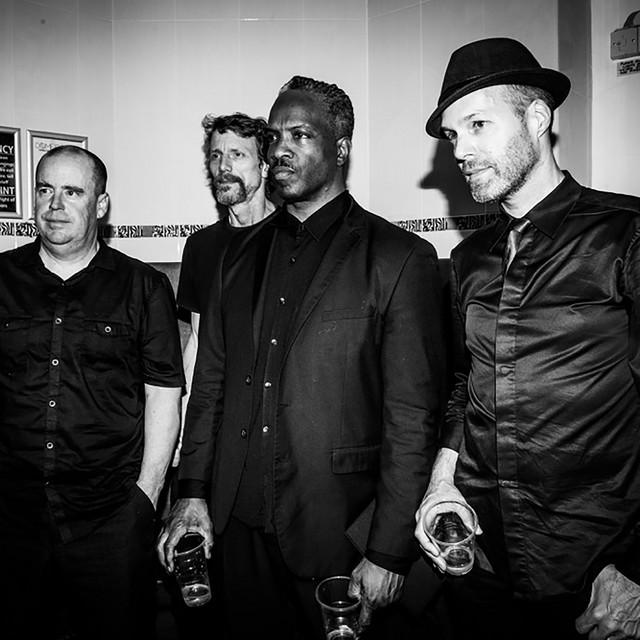
Zeni Geva’s Spotify BioOne of Japan's more eccentric and intriguing extreme music exports of the late '80s and '90s, self-professed "progressive hardcore trio" Zeni Geva (their name derives from an ancient Japanese word for "money" and a corruption of the German "gewalt," or violence) forcibly fused elements of heavy metal, hardcore, industrial music, noise rock, and the avant-garde, gaining no small underground recognition in the process.
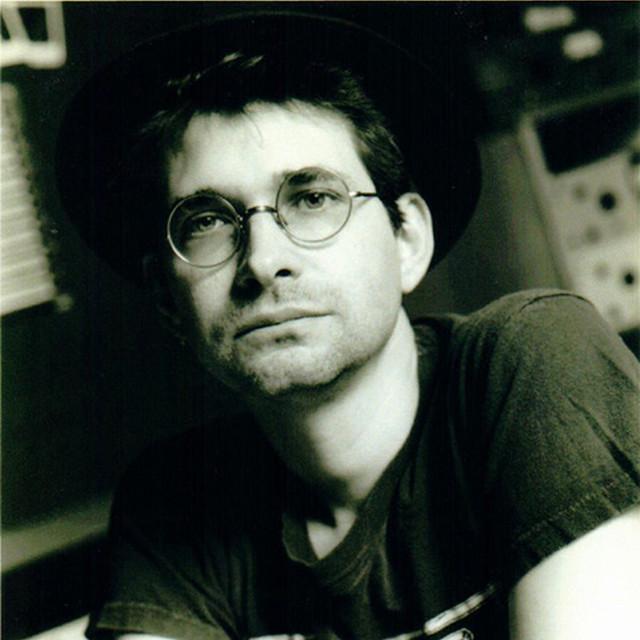
Having already made a name for himself via several experimental outfits (Absolut Null Punkt, YBO2) and collaborations with Merzbow and Null earlier in the decade, vocalist, guitarist, and programmer K.K. Null (real name Kazuyuki Kishino) founded Zeni Geva in 1987, calling on guitarist Fumiyoshi Suzuki and drummer Ikuo Taketani to join him on debut album How to Kill, released on Null's own NUX Organization label. Said album also featured a short-lived vocalist named Elle who was replaced by bassist Bunsho Nishikawa come 1988's amusingly named Vast Impotenz cassette EP, but… he too would be gone by the release of 1990's watershed Maximum Money Monster LP, which brought industrial discipline to Zeni Geva's savage sonic outbursts while introducing new guitarist Mitsuru Tabata (ex-Boredoms) and drummer Tatsuya Yoshida, briefly borrowed from Ruins. Finally, Zeni Geva found stability with the recruitment of drummer Eito Noro, and with it came greater international touring and success, beginning with Steve Albini-produced albums like Total Castration (1991), Live in Amerika (1992), Desire for Agony (1993), Freedom Bondage (1995), and others. These efforts reined in some of the band's former flair for chaos with a heavier focus on noise rock, and the final pair was released by Jello Biafra's Alternative Tentacles label, while 1993's All Right, You Little Bastards! constituted a proper Albini/Zeni Geva collaboration.
When Noro decided to leave the band in 1996, Zeni Geva carried on touring irregularly (with American percussionist Blake Fleming stepping into the breach), but recording activities came to a standstill as Null increasingly immersed himself in a string of solo and collaborative releases. The next Zeni Geva album, 10,000 Light Years (featuring Null, Tabata, and drummer Masataka Fujikake), did not emerge until 2001 through Neurot Recordings, and its highly experimental nature clearly reflected Null's recent avant sound exploits. The album also proved to be a one-off, as Null resumed his prolific solo endeavors shortly thereafter and Tabata also remained busy, primarily with Acid Mothers Temple. The Zeni Geva engine was not refueled again until 2009, when onetime drummer Yoshida rejoined Null and Tabata for a spate of touring that yielded 2010's Alive and Rising, but it remains to be seen whether there will be more band activity in the future. ~ Eduardo Rivadavia, Rovi
Viberate is a music analytics platform built for A&Rs, artist managers, labels, booking agents, marketers, and artists.
It helps music professionals track artist growth, analyze audience data, monitor playlist activity, compare artists, follow song performance, and identify opportunities across the music market.
Public artist pages provide a free preview of selected artist data. Paid plans provide access to deeper analytics, historical data, charts, comparisons, playlist tools, exports, alerts, reports, and additional professional features.
Yes. Public Viberate artist pages provide selected artist analytics and music data for free.
Viberate also offers a 7-day free trial of the full platform. A credit card is required to start the trial. The trial includes access to the complete product so users can test deeper artist analytics, historical views, playlist insights, comparisons, charts, exports, alerts, and reporting features before choosing a paid plan.
Viberate provides artist analytics across streaming, playlists, social media, video, radio airplay, songs, and audience markets.
Users can analyze Spotify performance, Spotify and Apple Music playlists, YouTube activity, TikTok and Instagram growth, radio spins, song performance, audience locations, demographics, rankings, and overall artist momentum.
Artist profiles also connect to music charts, similar artists, and comparison tools, helping users benchmark performance and evaluate artists in context.
Viberate updates key artist and track data daily.
For followed artists and tracks, selected data is refreshed multiple times per day. This helps teams monitor playlist changes, streaming movement, audience growth, releases, and campaign performance with more current data.
Update frequency can vary depending on the metric and data source.
Yes. Viberate lets users compare up to five artists side by side across streaming, social media, audience, and engagement metrics.
Users can compare fanbase growth, audience demographics, locations, Spotify performance, social metrics, and other artist data over selected time periods.
Artist comparison can be used for A&R scouting, benchmarking, booking decisions, campaign planning, and evaluating artists with similar audiences or market positions.