Distorted Pony

Rock
Alternative Rock
Noise Rock
 Viberate Rank: 331106
 Viberate Rank: 331106
 Monthly ListenersFollowers
 Subscribers
 Followers
 Followers
 FansTop Spotify Songs
| Track | 7-Day Streams | |
|---|---|---|
1 | 299 | |
2 | 191 | |
3 | 166 | |
4 | 101 | |
5 | 88 |
Top YouTube VideosMonthly ListenersFeatured in Playlists| Playlist | Followers | |
|---|---|---|
1 | produced by Steve Albini Krzysztof Kwiatkowski | 7.46K |
2 |  The Sound of Noise Rock The Sounds of Spotify | 6.06K |
3 | STEVE ALBINI Sorgesalmen | 5.87K |
4 | Harsh/Noise/Noisecore/Breakcore/Electronic/Experimental zakk2bangin | 4.13K |
5 |  The Sound of Noise Punk The Sounds of Spotify | 1.87K |
Audience| City | Monthly Listeners | |
|---|---|---|
1 | | 40 |
2 | | 22 |
3 | | 20 |
4 | | 17 |
5 | | 15 |
See full performance history, audience data, playlist activity, rankings, comparisons, and more in Viberate music analytics. Start with a free trial, then continue with a paid plan.
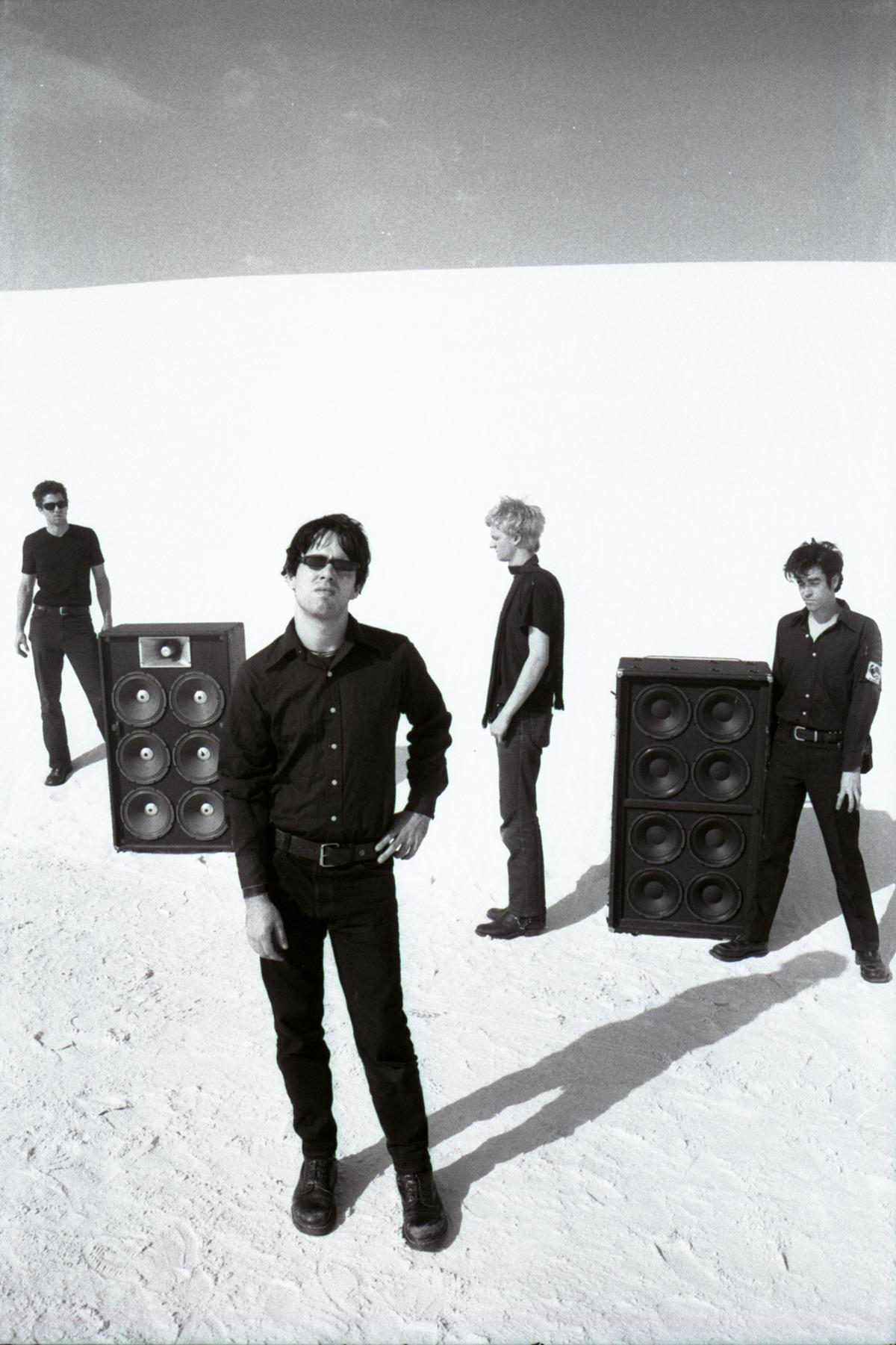
Distorted Pony’s Spotify BioDistorted Pony formed in 1986 in Los Angeles, California with Dora Jahr on bass and David U. on guitar, accompanied by the relentless pounding of a Roland TR-808 drum machine. In 1988, the duo recruited percussionist Theodore Jackson and guitarist Robert Hammer to expand their wall of noise. The group's first release was the "Concrete Bruises" 7" single, released in 1990 through Piece of Mind. The single was limited to only 1000 copies.
After the release of the "Work Makes Freedom" EP in 1991 (on BOMP! Records) the band recruited drummer London May to replace the drum machine. The group soon recorded a full album, Punishment Room, in January of 1992 at Surrogate Spike Studios, (also the band's living room) , and engineered by Steve Albini.
The band's final album was again recorded with Albini in the basement of his Chicago-area home, before breaking up the same day they finished mixing the album. The album, entitled Instant Winner, was released posthumously in 1994 through… Trance Syndicate.
All original members of the band, sans Robert Hammer, (replaced by Eddie Rivas) played together again in 2010, and have continued to play and tour sporadically, including a tour of Europe in the summer of 2018.
Viberate is a music analytics platform built for A&Rs, artist managers, labels, booking agents, marketers, and artists.
It helps music professionals track artist growth, analyze audience data, monitor playlist activity, compare artists, follow song performance, and identify opportunities across the music market.
Public artist pages provide a free preview of selected artist data. Paid plans provide access to deeper analytics, historical data, charts, comparisons, playlist tools, exports, alerts, reports, and additional professional features.
Yes. Public Viberate artist pages provide selected artist analytics and music data for free.
Viberate also offers a 7-day free trial of the full platform. A credit card is required to start the trial. The trial includes access to the complete product so users can test deeper artist analytics, historical views, playlist insights, comparisons, charts, exports, alerts, and reporting features before choosing a paid plan.
Viberate provides artist analytics across streaming, playlists, social media, video, radio airplay, songs, and audience markets.
Users can analyze Spotify performance, Spotify and Apple Music playlists, YouTube activity, TikTok and Instagram growth, radio spins, song performance, audience locations, demographics, rankings, and overall artist momentum.
Artist profiles also connect to music charts, similar artists, and comparison tools, helping users benchmark performance and evaluate artists in context.
Viberate updates key artist and track data daily.
For followed artists and tracks, selected data is refreshed multiple times per day. This helps teams monitor playlist changes, streaming movement, audience growth, releases, and campaign performance with more current data.
Update frequency can vary depending on the metric and data source.
Yes. Viberate lets users compare up to five artists side by side across streaming, social media, audience, and engagement metrics.
Users can compare fanbase growth, audience demographics, locations, Spotify performance, social metrics, and other artist data over selected time periods.
Artist comparison can be used for A&R scouting, benchmarking, booking decisions, campaign planning, and evaluating artists with similar audiences or market positions.