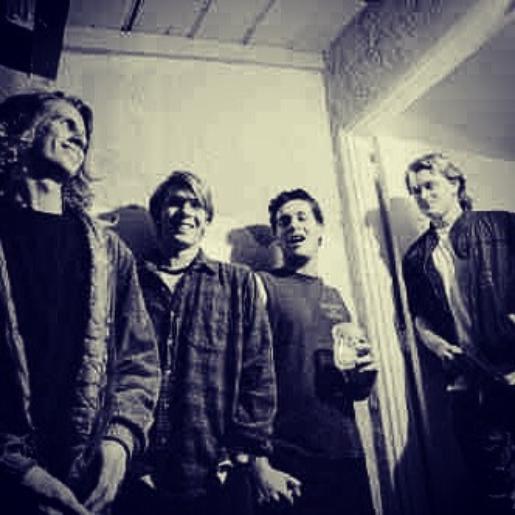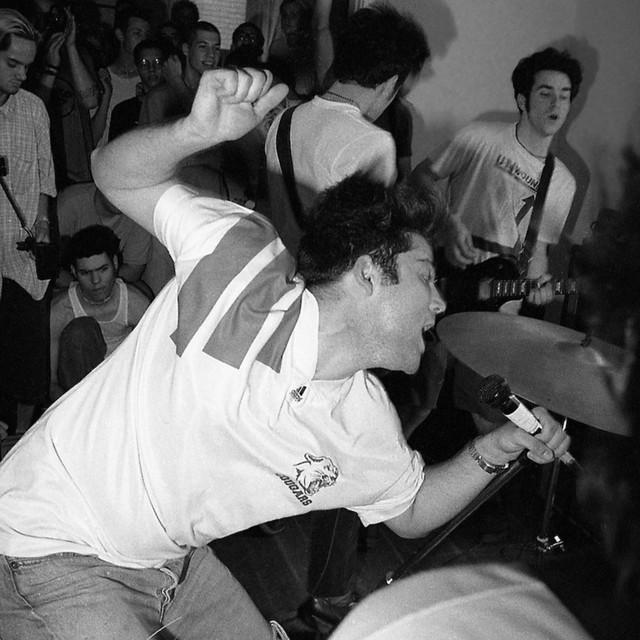
Rye Coalition

Rock
Hard Rock
Noise Rock
 Viberate Rank: 403320
 Viberate Rank: 403320
 Monthly ListenersFollowers
 Subscribers
 Followers
 Followers
 FansTop Spotify Songs
| Track | 7-Day Streams | |
|---|---|---|
1 | 206 | |
2 | 161 | |
3 | 76 | |
4 | 74 | |
5 | 69 |
Top YouTube VideosMonthly ListenersFeatured in Playlists| Playlist | Followers | |
|---|---|---|
1 |  Numero Group 26 Numero Group | 32.95K |
2 |  Early Emo Numero Group | 24.23K |
3 |  1990s Punk & Indie Numero Group | 16.20K |
4 |  Now On Numero: 90s Essentials Numero Group Scenes & Decades | 6.74K |
5 | STEVE ALBINI Sorgesalmen | 5.87K |
Audience| City | Monthly Listeners | |
|---|---|---|
1 | | 100 |
2 | | 95 |
3 | | 80 |
4 | | 54 |
5 | | 46 |
See full performance history, audience data, playlist activity, rankings, comparisons, and more in Viberate music analytics. Start with a free trial, then continue with a paid plan.
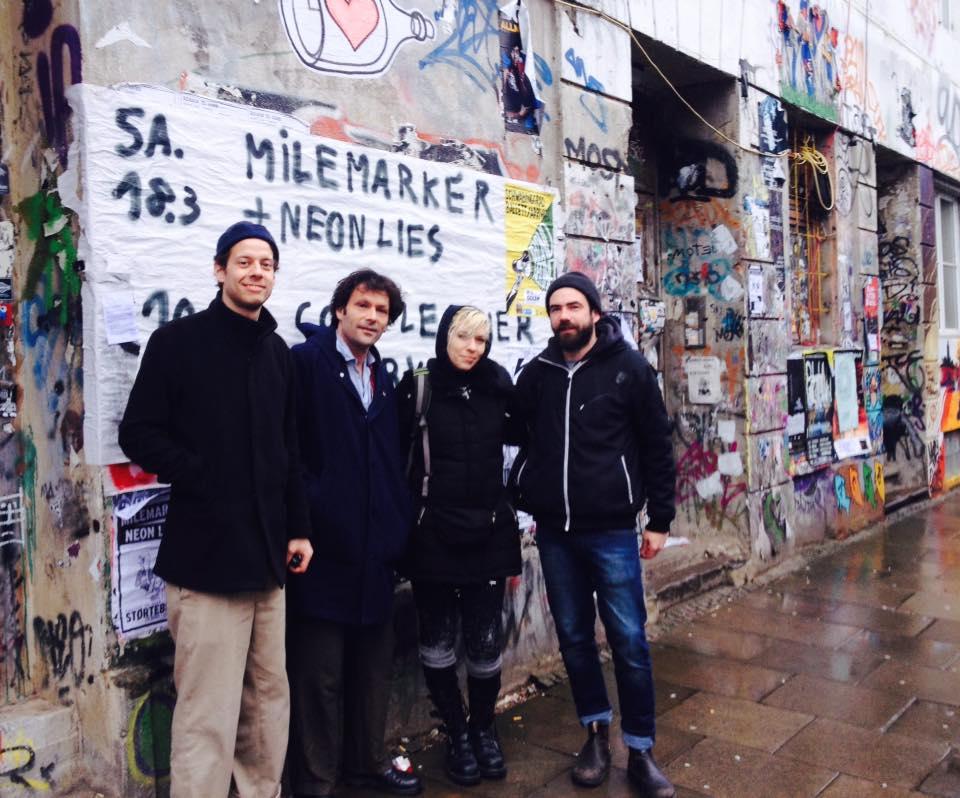
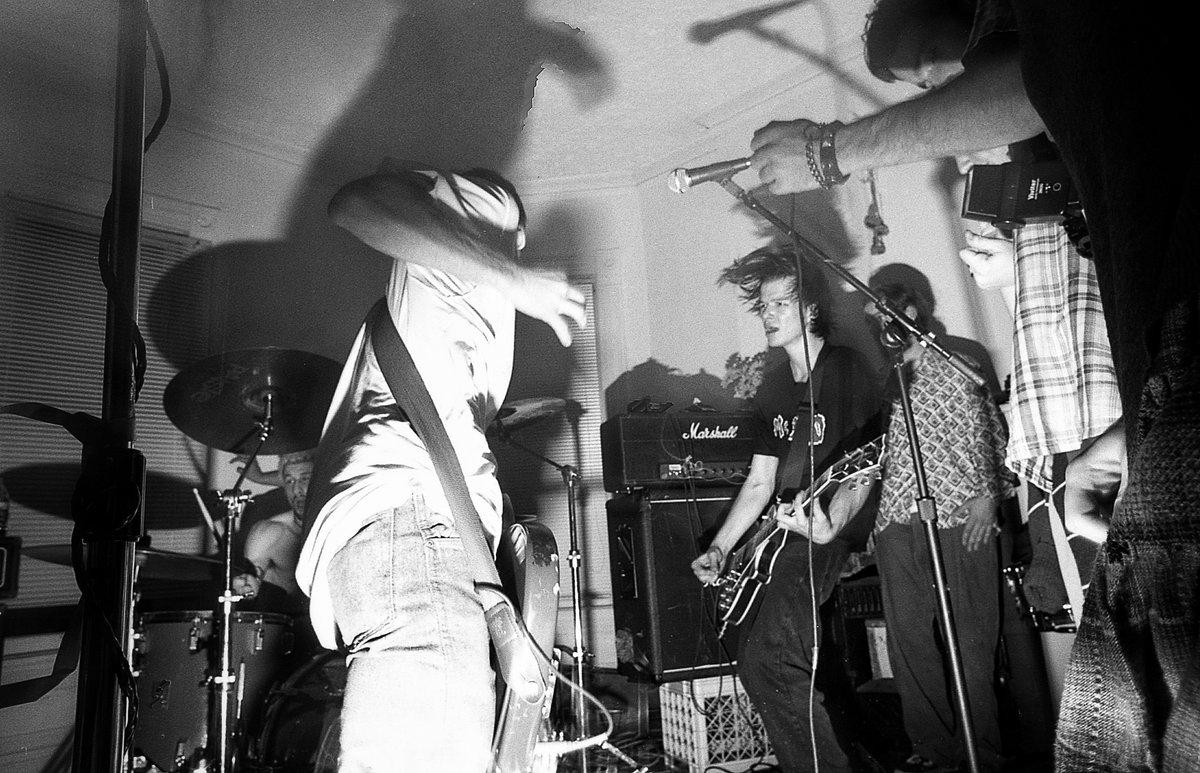
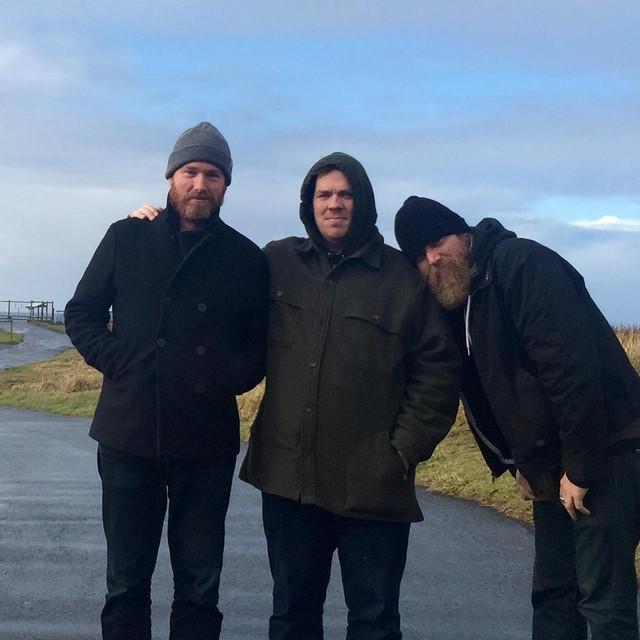
Rye Coalition’s Spotify BioChildhood friends Ralph Cuseglio (vocals) and Jon Gonnelli (guitar) yearned to play rock music and at the helm of grunge, the two formed Rye Coalition. David Leto joined in to play drums and brought along his childhood mate, Justin Morey, to play bass. A dynamic within the group was tight, while Herb Wiley was added to make it a sure fit. The members of Rye Coalition were barely 20 when they issued their five-song demo, The Dancing Man, in 1994. A few shows in and around their native New York sparked a fervent desire, but they were a working-class band who came from well-educated households. Cuseglio and Gonnelli attended college in New Jersey, whereas Wiley left the group in 1996 to do the same. Now a four-piece, Rye Coalition issued several 7" EPs, one split with Karp, and toured the country. Hee Saw Dhuh Kaet, the band's first studio effort, was released on Gern Blandsten in 1997; however, Morey departed for a West Coast venture. Leto's brother, Gregg Leto, moved in on drums,… allowing Dave to take over bass duties. Rye Coalition, who's driving punk snarls were taking hold of scenes overseas, embarked on their first European tour in late 1997. Two years later, The Lipstick Game appeared and Morey returned after Gregg Leto left for college. By the new millennium, the band's regular responsibilities fell short when Cuseglio went to graduate school and the others took on day jobs in education. A six-month break was well-deserved, but Rye Coalition came out to play a gig with Shellac, Seam, Don Cab, and Uzeda in mid-2000. After such a powerful performance, they finally decided to make Rye Coalition a full-time thing. A deal with Tiger Style surfaced in 2001 and Wiley came back in time to record On Top with producer Steve Albini. A shared tour with Trans Am followed that winter, prepping Rye Coalition for the release of their third album. ~ MacKenzie Wilson, Rovi
Viberate is a music analytics platform built for A&Rs, artist managers, labels, booking agents, marketers, and artists.
It helps music professionals track artist growth, analyze audience data, monitor playlist activity, compare artists, follow song performance, and identify opportunities across the music market.
Public artist pages provide a free preview of selected artist data. Paid plans provide access to deeper analytics, historical data, charts, comparisons, playlist tools, exports, alerts, reports, and additional professional features.
Yes. Public Viberate artist pages provide selected artist analytics and music data for free.
Viberate also offers a 7-day free trial of the full platform. A credit card is required to start the trial. The trial includes access to the complete product so users can test deeper artist analytics, historical views, playlist insights, comparisons, charts, exports, alerts, and reporting features before choosing a paid plan.
Viberate provides artist analytics across streaming, playlists, social media, video, radio airplay, songs, and audience markets.
Users can analyze Spotify performance, Spotify and Apple Music playlists, YouTube activity, TikTok and Instagram growth, radio spins, song performance, audience locations, demographics, rankings, and overall artist momentum.
Artist profiles also connect to music charts, similar artists, and comparison tools, helping users benchmark performance and evaluate artists in context.
Viberate updates key artist and track data daily.
For followed artists and tracks, selected data is refreshed multiple times per day. This helps teams monitor playlist changes, streaming movement, audience growth, releases, and campaign performance with more current data.
Update frequency can vary depending on the metric and data source.
Yes. Viberate lets users compare up to five artists side by side across streaming, social media, audience, and engagement metrics.
Users can compare fanbase growth, audience demographics, locations, Spotify performance, social metrics, and other artist data over selected time periods.
Artist comparison can be used for A&R scouting, benchmarking, booking decisions, campaign planning, and evaluating artists with similar audiences or market positions.