Arab On Radar

Rock
Alternative Rock
Noise Rock
 Viberate Rank: 302424
 Viberate Rank: 302424
 Monthly ListenersFollowers
 Subscribers
 Followers
 Followers
 FansTop Spotify Songs
| Track | 7-Day Streams | |
|---|---|---|
1 | 270 | |
2 | 206 | |
3 | 176 | |
4 | 111 | |
5 | 99 |
Top YouTube VideosMonthly ListenersFeatured in Playlists| Playlist | Followers | |
|---|---|---|
1 |  Noise Rock Timothy Walschaerts | 8.04K |
2 |  The Sound of Noise Rock The Sounds of Spotify | 6.06K |
3 | Harsh/Noise/Noisecore/Breakcore/Electronic/Experimental zakk2bangin | 4.13K |
4 |  The Sound of Math Rock The Sounds of Spotify | 3.43K |
5 | Sasscore/White Belt a | 2.72K |
Audience| City | Monthly Listeners | |
|---|---|---|
1 | | 61 |
2 | | 56 |
3 | | 34 |
4 | | 31 |
5 | | 30 |
See full performance history, audience data, playlist activity, rankings, comparisons, and more in Viberate music analytics. Start with a free trial, then continue with a paid plan.
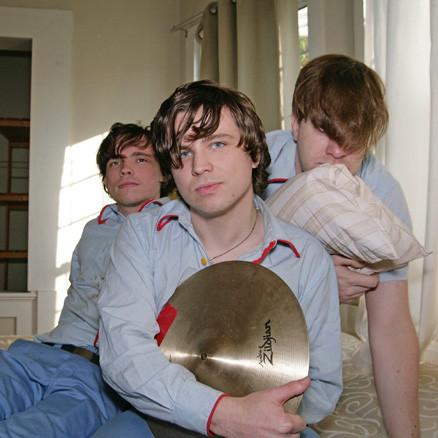
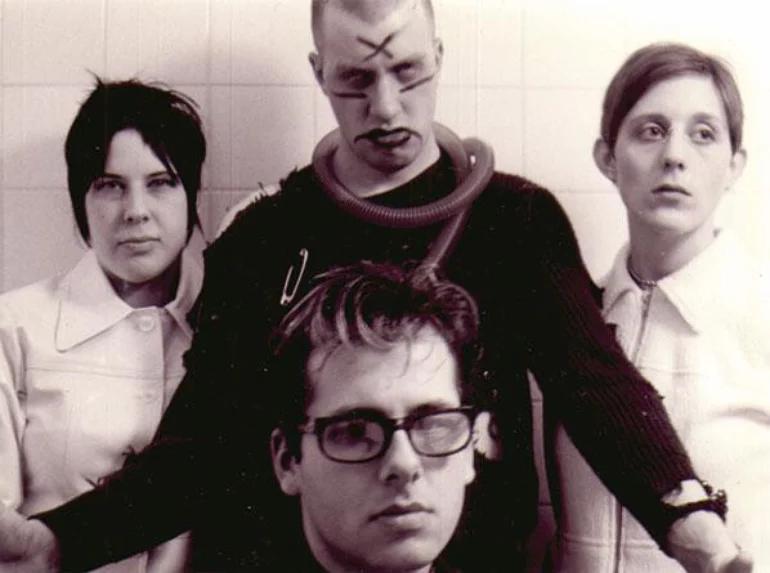
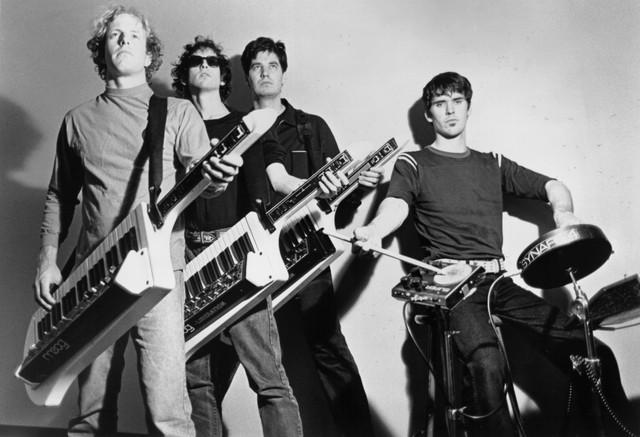
Arab On Radar’s Spotify BioIn 1994, the members of what was to become Arab on Radar were all applying for jobs at Electric Boat, a Groton, Connecticut-based company that manufactures nuclear submarines. After going back and forth to the company for three days and taking a series of three tests lasting 17 hours, the members became friends. On the final day of testing, they went out for drinks to celebrate. After a few beers, they decided to start a band. A girl named Andrea was sitting in the bar at the time and said she would play bass. Ironically, she had just been fired from a clerk position at Electric Boat. After a short period of time, the rest of the band that had taken the tests received rejection letters from the company. Having no other place to turn for a full-time job since Electric Boat was one of the only jobs available to the uneducated -- which the band was at the time -- Arab on Radar was born.
After some rough beginnings, Arab on Radar finally became a cohesive unit that was desperate and… downtrodden enough take a stab at redefining music. They even went so far as to drop their names from association with the group, because they felt the focus was on the songs, and the idea of Arab on Radar, as opposed to the people creating the music. The band's first album, titled Queen Hygiene II, appeared on the Providence, Rhode Island label Herapin Records in 1997. Herapin's owner, Jeff Toste of Laurels and Bossman fame, took an interest in the group. In November 1998, the Boston-based OpPoPop imprint issued Arab on Radar's second full-length album, Rough Day at the Orifice. Andrea left the band shortly after the release, leaving them without a bass player, yet the band decided to continue.
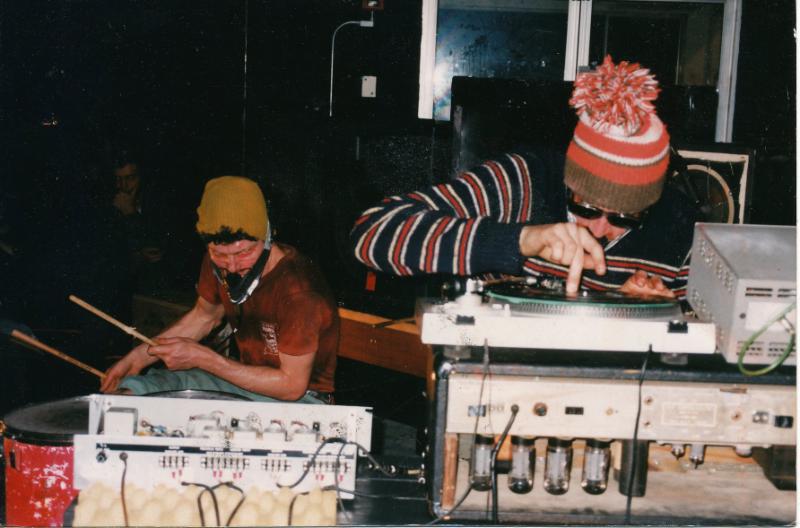
Following their second LP, Arab on Radar signed to Skin Graft in 1999 at the insistence of Weasel Walter, known for his work with the label's Flying Luttenbachers and Lake of Dracula. This signing led to the April 2000 release of their third full-length, Soak the Saddle, which was produced by Walter. A month after the album came out, the band issued a split 7" on the GSL label with experimental rock band the Locust. Arab on Radar followed the releases with their first European tour in late summer 2000. Yahweh or the Highway followed in 2001, also on Skin Graft, plus a split single with Kid Commando. Arab on Radar disbanded soon after, citing irreconcilable differences, but left fans with a posthumous compilation, 2003's The Stolen Singles, that wrapped up various non-album tracks. ~ Stephen Howell, Rovi
Viberate is a music analytics platform built for A&Rs, artist managers, labels, booking agents, marketers, and artists.
It helps music professionals track artist growth, analyze audience data, monitor playlist activity, compare artists, follow song performance, and identify opportunities across the music market.
Public artist pages provide a free preview of selected artist data. Paid plans provide access to deeper analytics, historical data, charts, comparisons, playlist tools, exports, alerts, reports, and additional professional features.
Yes. Public Viberate artist pages provide selected artist analytics and music data for free.
Viberate also offers a 7-day free trial of the full platform. A credit card is required to start the trial. The trial includes access to the complete product so users can test deeper artist analytics, historical views, playlist insights, comparisons, charts, exports, alerts, and reporting features before choosing a paid plan.
Viberate provides artist analytics across streaming, playlists, social media, video, radio airplay, songs, and audience markets.
Users can analyze Spotify performance, Spotify and Apple Music playlists, YouTube activity, TikTok and Instagram growth, radio spins, song performance, audience locations, demographics, rankings, and overall artist momentum.
Artist profiles also connect to music charts, similar artists, and comparison tools, helping users benchmark performance and evaluate artists in context.
Viberate updates key artist and track data daily.
For followed artists and tracks, selected data is refreshed multiple times per day. This helps teams monitor playlist changes, streaming movement, audience growth, releases, and campaign performance with more current data.
Update frequency can vary depending on the metric and data source.
Yes. Viberate lets users compare up to five artists side by side across streaming, social media, audience, and engagement metrics.
Users can compare fanbase growth, audience demographics, locations, Spotify performance, social metrics, and other artist data over selected time periods.
Artist comparison can be used for A&R scouting, benchmarking, booking decisions, campaign planning, and evaluating artists with similar audiences or market positions.