Clarence Carter

R&B
Soul
Classic Blues
 Viberate Rank: 47418
 Viberate Rank: 47418
 Monthly ListenersFollowers
 Subscribers
 Followers
 Followers
 FansTop Spotify Songs
| Track | 7-Day Streams | |
|---|---|---|
1 | 76.18K | |
2 | 39.59K | |
3 | 29.07K | |
4 | 24.05K | |
5 | 22.02K |
Top YouTube VideosMonthly ListenersFeatured in Playlists| Playlist | Followers | |
|---|---|---|
1 |  Blues Classics Spotify | 2.33M |
2 |  Michael Bublé Christmas Topsify NZ | 402.18K |
3 |  Sex Education Official Playlist Spotify | 137.75K |
4 |  dancing in the kitchen Matthew Meyer | 136.45K |
5 |  I Love My 60s Funk Spotify | 111.08K |
Audience| City | Monthly Listeners | |
|---|---|---|
1 |  | 9.80K |
2 | | 6.48K |
3 |  | 6.46K |
4 | | 6.00K |
5 |  | 4.87K |
See full performance history, audience data, playlist activity, rankings, comparisons, and more in Viberate music analytics. Start with a free trial, then continue with a paid plan.
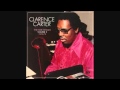
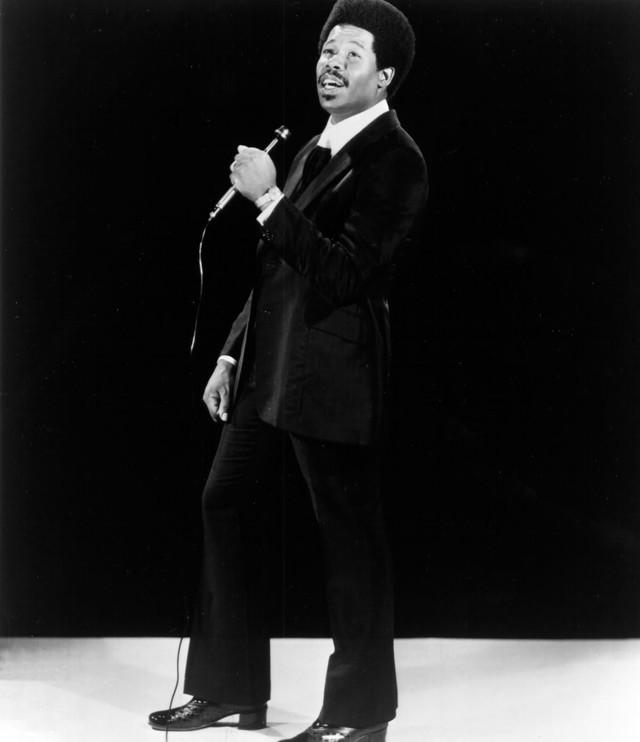
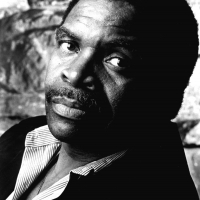
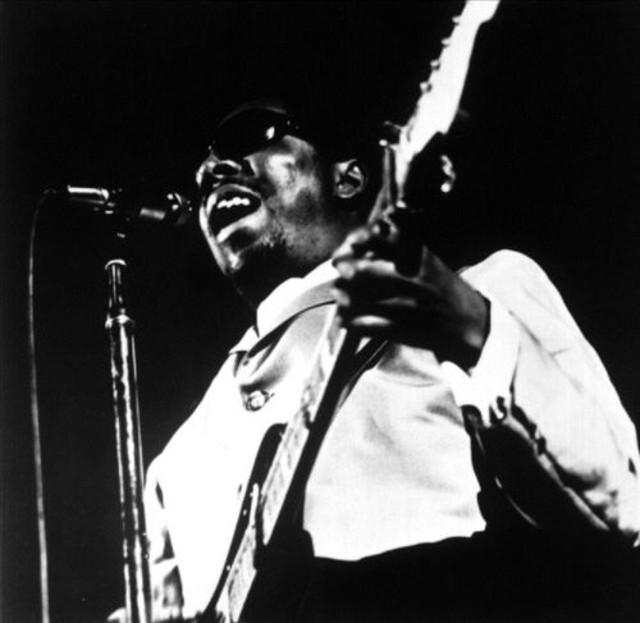
Clarence Carter’s Spotify BioSinger Clarence Carter exemplified the gritty, earthy sound of Muscle Shoals R&B, fusing the devastating poignancy of the blues with a wicked, lascivious wit to create deeply soulful music rooted in the American South of the past and the present. Born January 14, 1936, in Montgomery, AL, Carter was blind from birth. He immediately gravitated to music, teaching himself guitar by listening to the blues classics of John Lee Hooker, Lightnin' Hopkins, and Jimmy Reed. He majored in music at Alabama State University, learning to transcribe charts and arrangements in Braille.
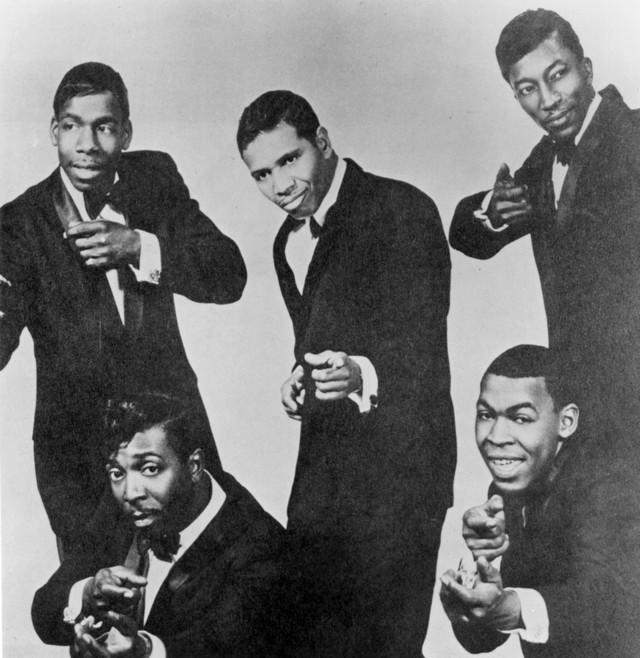
With blind classmate Calvin Scott, Carter in 1960 formed the duo Clarence & Calvin, signing to the Fairlane label to release "I Wanna Dance But I Don't Know How" the following year. After the 1962 release of "I Don't Know (School Girl)," Clarence & Calvin left Fairlane for the Duke imprint, renaming themselves the C & C Boys for their label debut, "Hey Marvin." In all, the duo cut four Duke singles, none of them… generating more than a shrug at radio -- finally, in 1965 they traveled to Rick Hall's Fame Studio in Muscle Shoals, AL, paying $85 to record the wrenching ballad "Step by Step" and its flip side, "Rooster Knees and Rice." Atlanta radio personality Zenas Sears recommended Clarence & Calvin to Atlantic producer Jerry Wexler, and the label issued "Step by Step" on its Atco subsidiary -- the record failed to chart, and the duo was once again looking for a label.
Backed by a four-piece combo dubbed the Mello Men, Clarence & Calvin spent the first half of 1966 headlining Birmingham's 2728 Club. One Friday night in June while returning home from the nightspot, the group suffered an auto accident that left Scott critically injured, initiating an ugly falling-out with Carter over the resulting medical bill. In the meantime, Carter continued as a solo act, signing to Hall's Fame label for 1967's "Tell Daddy," which inspired Etta James' response record, "Tell Mama." The superb popcorn-soul effort "Thread the Needle" proved a minor crossover hit, and after one additional Fame release, "The Road of Love," Carter returned to Atlantic with "Looking for a Fox," issued in early 1968. "Looking for a Fox" proved the first of many singles to slyly reference the singer's visual impairment, not to mention showcasing the libidinous impulses that dominate many of his most popular records.
But few performances better typified the emerging Carter aesthetic than "Slip Away," a superior cheating ballad spotlighting his anguished, massive baritone alongside the remarkably sinuous backing of Fame's exemplary backing band. The record was a Top Ten hit, and its follow-up, "Too Weak to Fight," also went gold, solidifying Carter's newfound commercial appeal. He ended 1968 with a superbly funky Christmas single, the raunchy "Back Door Santa," in addition to mounting a national tour featuring backing vocalist Candi Staton, who later became Carter's wife as well as a soul star in her own right.
The percolating "Snatching It Back" was Carter's first Atlantic release of 1969 -- its B-side, a remake of James Carr's deep soul classic "The Dark End of the Street," remains one of the singer's most potent efforts, drawing on traditional blues and gospel to explore both the absurdity and anguish of infidelity. Subsequent singles including "The Feeling Is Right," "Doing Our Thing," and "Take It Off Him and Put It on Me" were only marginally successful, but in 1970 Carter returned to the Top Ten with the sentimental "Patches," his biggest hit to date. He nevertheless stumbled again with a run of 1971 releases like "Getting the Bills" and "Slipped, Tripped and Fell in Love," and in the wake of "If You Can't Beat 'Em" -- a duet with Staton -- Carter left Atlantic in 1972, returning to Fame with "Back in Your Arms Again."
Released in 1973, the leering "Sixty Minute Man" proved a novelty hit, but in 1975 he attempted to reignite his career at ABC, releasing "Take It All Off" and "Dear Abby" to little notice. By the end of the decade Carter was relegated to small independent labels like Future Stars and Ronn, and in 1980 signed to Venture for the ill-advised "Jimmy's Disco" and "Can We Slip Away Again?" In 1985 he resurfaced on the fledgling Ichiban label, returning to the ribald deep soul of his heyday -- the LP Dr. C.C. earned positive reviews and spawned the hilariously lewd "Strokin'," a major word-of-mouth hit. (A sequel, "Still Strokin'," followed in 1989.) Carter continued recording and touring regularly into the 21st century, maintaining a strong fan base throughout the South. ~ Jason Ankeny, Rovi
Viberate is a music analytics platform built for A&Rs, artist managers, labels, booking agents, marketers, and artists.
It helps music professionals track artist growth, analyze audience data, monitor playlist activity, compare artists, follow song performance, and identify opportunities across the music market.
Public artist pages provide a free preview of selected artist data. Paid plans provide access to deeper analytics, historical data, charts, comparisons, playlist tools, exports, alerts, reports, and additional professional features.
Yes. Public Viberate artist pages provide selected artist analytics and music data for free.
Viberate also offers a 7-day free trial of the full platform. A credit card is required to start the trial. The trial includes access to the complete product so users can test deeper artist analytics, historical views, playlist insights, comparisons, charts, exports, alerts, and reporting features before choosing a paid plan.
Viberate provides artist analytics across streaming, playlists, social media, video, radio airplay, songs, and audience markets.
Users can analyze Spotify performance, Spotify and Apple Music playlists, YouTube activity, TikTok and Instagram growth, radio spins, song performance, audience locations, demographics, rankings, and overall artist momentum.
Artist profiles also connect to music charts, similar artists, and comparison tools, helping users benchmark performance and evaluate artists in context.
Viberate updates key artist and track data daily.
For followed artists and tracks, selected data is refreshed multiple times per day. This helps teams monitor playlist changes, streaming movement, audience growth, releases, and campaign performance with more current data.
Update frequency can vary depending on the metric and data source.
Yes. Viberate lets users compare up to five artists side by side across streaming, social media, audience, and engagement metrics.
Users can compare fanbase growth, audience demographics, locations, Spotify performance, social metrics, and other artist data over selected time periods.
Artist comparison can be used for A&R scouting, benchmarking, booking decisions, campaign planning, and evaluating artists with similar audiences or market positions.