Wilson Pickett

R&B
Funk
Contemporary R&B
Soul
 Viberate Rank: 17714
 Viberate Rank: 17714
 Monthly ListenersFollowers
 Subscribers
 Followers
 Followers
 FansTop Spotify Songs
| Track | 7-Day Streams | |
|---|---|---|
1 | 346.66K | |
2 | 198.64K | |
3 | 177.70K | |
4 | 30.36K | |
5 | 28.25K |
Top YouTube VideosMonthly ListenersFeatured in Playlists| Playlist | Followers | |
|---|---|---|
1 |  Feelin' Good Spotify | 3.58M |
2 |  All Out 60s Spotify | 3.19M |
3 |  Funk & Soul Classics Spotify | 1.91M |
4 |  70s Soul Classics Spotify | 1.88M |
5 |  Classic Oldies Spotify | 1.46M |
Audience| City | Monthly Listeners | |
|---|---|---|
1 |  | 25.30K |
2 |  | 22.62K |
3 | | 22.29K |
4 | | 16.83K |
5 | | 14.39K |
See full performance history, audience data, playlist activity, rankings, comparisons, and more in Viberate music analytics. Start with a free trial, then continue with a paid plan.
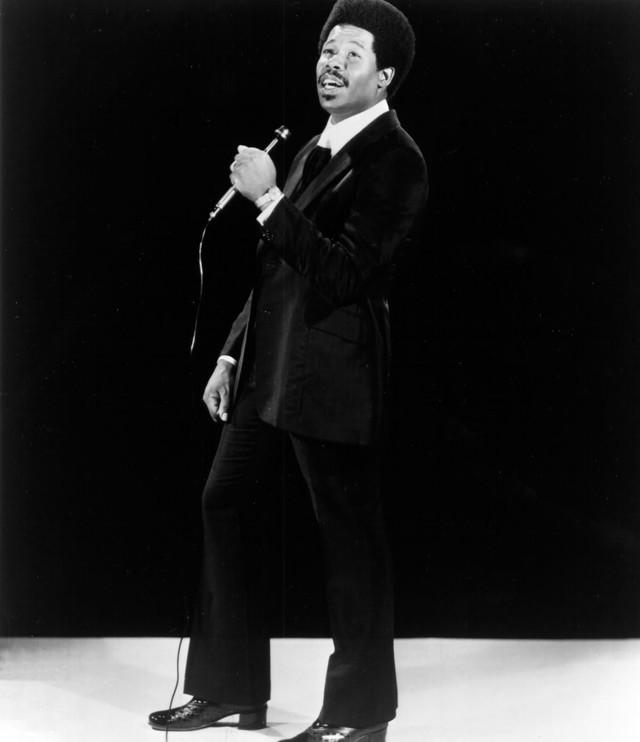
Wilson Pickett’s Spotify BioOf the major '60s soul stars, Wilson Pickett was one of the roughest and sweatiest, working up some of the decade's hottest dancefloor grooves on hits like "In the Midnight Hour," "Land of 1000 Dances," "Mustang Sally," and "Funky Broadway." Although he tends to be held in somewhat lower esteem than more versatile talents like Otis Redding and Aretha Franklin, he is often a preferred alternative of fans who like their soul on the rawer side. He also did a good deal to establish the sound of Southern soul with his early hits, which were often written and recorded with the cream of the session musicians in Memphis and Muscle Shoals.
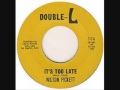
Before establishing himself as a solo artist, Pickett sang with the Falcons, who had a Top Ten R&B hit in 1962 with "I Found a Love." "If You Need Me" (covered by the Rolling Stones) and "It's Too Late" were R&B hits for the singer before he hooked up with Atlantic Records, which sent him to record at Stax in Memphis in 1965. One early result was "In the… Midnight Hour," whose chugging horn line, loping funky beats, and impassioned vocals combined into a key transitional performance that brought R&B into the soul age. It was an R&B chart-topper and a substantial pop hit (number 21), though its influence was stronger than that respectable position might indicate: thousands of bands, black and white, covered "In the Midnight Hour" on-stage and record in the 1960s.
Pickett had a flurry of other galvanizing soul hits over the next few years, including "634-5789," "Mustang Sally," and "Funky Broadway," all of which, like "In the Midnight Hour," were frequently adapted by other bands as dance-ready numbers. The king of that hill, though, had to be "Land of 1000 Dances," Pickett's biggest pop hit (number six), a soul anthem of sorts with its roll call of popular dances, and covered by almost as many acts as "Midnight Hour" was.
Pickett didn't confine himself to the environs of Stax for long; soon he was also cutting tracks at Muscle Shoals. He recorded several early songs by Bobby Womack. He used Duane Allman as a session guitarist on a hit cover of the Beatles' "Hey Jude." He cut some hits in Philadelphia with Gamble & Huff productions in the early '70s. He even did a hit version of the Archies' "Sugar, Sugar." The hits kept rolling through the early '70s, including "Don't Knock My Love" and "Get Me Back on Time, Engine Number 9."
One of the corollaries of '60s soul is that if a performer rose to fame with Motown or Atlantic, he or she would produce little of note after leaving the label. Pickett, unfortunately, did not prove an exception to the rule. His last big hit was "Fire and Water," in 1972. He continued to be active on the tour circuit; his most essential music, all from the '60s and early '70s, was assembled for the superb Rhino double-CD anthology A Man and a Half. It's Harder Now, his first new material in over a decade, followed in 1999. Pickett spent the early part of the 2000s performing before retiring in late 2004 due to ill health. He passed away on January 19, 2006, following a heart attack. In 2017, Rhino released a more extensive career overview, The Complete Atlantic Albums Collection. ~ Richie Unterberger, Rovi
Viberate is a music analytics platform built for A&Rs, artist managers, labels, booking agents, marketers, and artists.
It helps music professionals track artist growth, analyze audience data, monitor playlist activity, compare artists, follow song performance, and identify opportunities across the music market.
Public artist pages provide a free preview of selected artist data. Paid plans provide access to deeper analytics, historical data, charts, comparisons, playlist tools, exports, alerts, reports, and additional professional features.
Yes. Public Viberate artist pages provide selected artist analytics and music data for free.
Viberate also offers a 7-day free trial of the full platform. A credit card is required to start the trial. The trial includes access to the complete product so users can test deeper artist analytics, historical views, playlist insights, comparisons, charts, exports, alerts, and reporting features before choosing a paid plan.
Viberate provides artist analytics across streaming, playlists, social media, video, radio airplay, songs, and audience markets.
Users can analyze Spotify performance, Spotify and Apple Music playlists, YouTube activity, TikTok and Instagram growth, radio spins, song performance, audience locations, demographics, rankings, and overall artist momentum.
Artist profiles also connect to music charts, similar artists, and comparison tools, helping users benchmark performance and evaluate artists in context.
Viberate updates key artist and track data daily.
For followed artists and tracks, selected data is refreshed multiple times per day. This helps teams monitor playlist changes, streaming movement, audience growth, releases, and campaign performance with more current data.
Update frequency can vary depending on the metric and data source.
Yes. Viberate lets users compare up to five artists side by side across streaming, social media, audience, and engagement metrics.
Users can compare fanbase growth, audience demographics, locations, Spotify performance, social metrics, and other artist data over selected time periods.
Artist comparison can be used for A&R scouting, benchmarking, booking decisions, campaign planning, and evaluating artists with similar audiences or market positions.