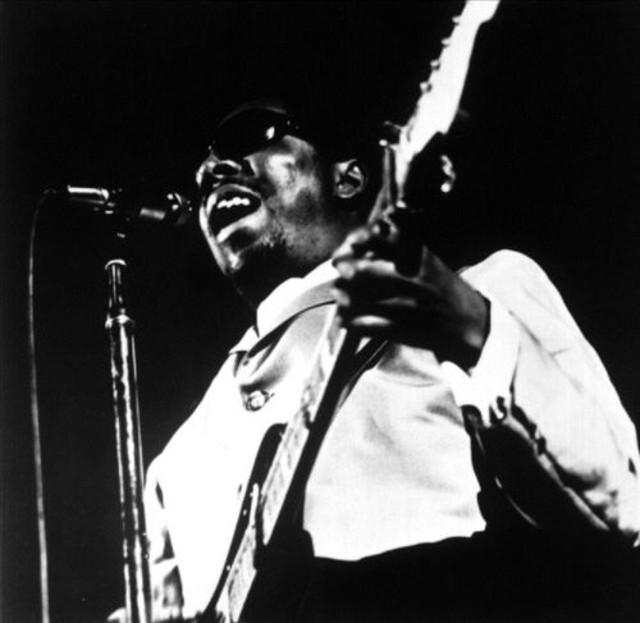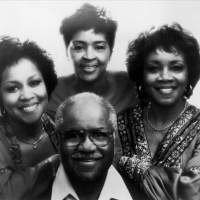
The Staple Singers

Religious
Gospel
Soul
 Viberate Rank: 20742
 Viberate Rank: 20742
 Monthly ListenersFollowers
 Subscribers
 Followers
 Followers
 FansTop Spotify Songs
| Track | 7-Day Streams | |
|---|---|---|
1 | 275.02K | |
2 | 75.39K | |
3 | 46.49K | |
4 | 44.86K | |
5 | 38.42K |
Top YouTube Videos| Video | 7-Day Views | |
|---|---|---|
1 | 105.12K | |
2 | 21.90K | |
3 | 12.83K | |
4 | 6.99K | |
5 | 3.92K |
Monthly ListenersFeatured in Playlists| Playlist | Followers | |
|---|---|---|
1 |  Feelin' Good Spotify | 3.58M |
2 |  70s Soul Classics Spotify | 1.88M |
3 |  Sweet Soul Chillout Spotify | 1.42M |
4 |  Uplifting Soul Classics Spotify | 1.35M |
5 |  The Black Power Mixtape 1967–1975 Spotify | 834.24K |
Audience| City | Monthly Listeners | |
|---|---|---|
1 |  | 19.90K |
2 | | 13.29K |
3 | | 13.05K |
4 | | 12.08K |
5 |  | 10.24K |
See full performance history, audience data, playlist activity, rankings, comparisons, and more in Viberate music analytics. Start with a free trial, then continue with a paid plan.
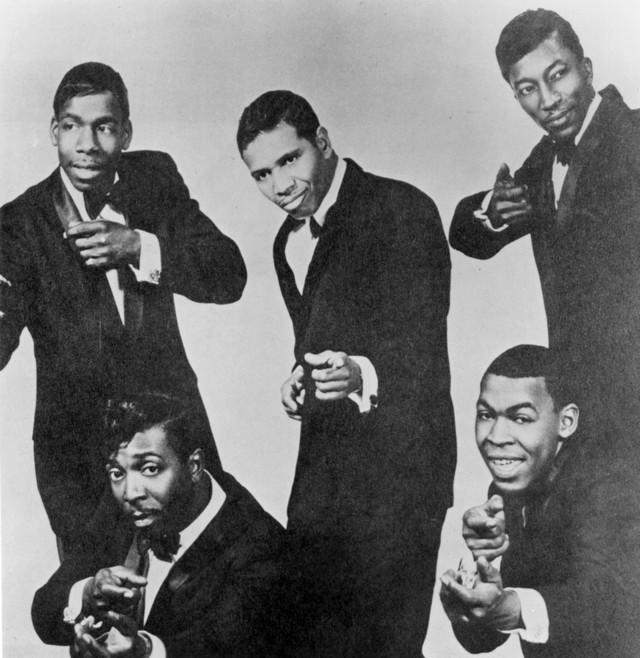
The Staple Singers’ Spotify BioOne of the most powerful vocal groups of the '60s and '70s, the Staple Singers embraced an impressive stylistic diversity while always staying true to their roots in gospel harmonies. Led by Roebuck "Pops" Staples, the quartet first rose to stardom in the gospel music community before detouring into folk and a socially conscious gospel and R&B hybrid, then enjoying their greatest success with a handful of soul music hits for Stax Records in the '70s. Throughout their evolution, the constants in their work were the rich blend of their vocals, delivered with a churchy mix of joy and restraint, Roebuck's subtle but emphatic guitar textures, and in the Stax era, the glorious lead vocals of Mavis Staples. The compilation The Best of the Vee-Jay Years is a superb overview of their early gospel sides, 1965's Freedom Highway marks the point where their gospel and folk leanings merged with a growing political consciousness, 1972's Be Altitude: Respect Yourself was the high point of their… hitmaking years at Stax, and 1984's Turning Point was an impressive late-career effort that included an excellent cover of Talking Heads' "Slippery People."
The family's story goes all the way back to 1915 in Winona, Mississippi, when patriarch Roebuck "Pops" Staples entered the world. A contemporary and familiar of Charley Patton's, Roebuck quickly became adept as a solo blues guitarist, entertaining at local dances and picnics. He was also drawn to the church, and by 1937 he was singing and playing guitar with the Golden Trumpets, a spiritual group based out of Drew, Mississippi. Moving to Chicago four years later, he continued playing gospel music with the Windy City's Trumpet Jubilees. A decade later Pops Staples (as he had become known) presented two of his daughters, Cleotha and Mavis, and his one son, Pervis, in front of a church audience, and the Staple Singers were born.
The Staples recorded in an older, slightly archaic, deeply Southern spiritual style, first for United and then for Vee-Jay. Pops and Mavis Staples shared lead vocal chores, with most records underpinned by Pops' heavily reverbed Mississippi cotton-patch guitar. In 1960, the group signed with Riverside, a label that specialized in jazz and folk. With Riverside and later Epic, the Staples attempted to move into the then-burgeoning white folk boom. Two Epic releases, "Why (Am I Treated So Bad)" and a cover of Stephen Stills' "For What It's Worth," briefly graced the pop charts in 1967.
In 1968, the Staples signed with Memphis-based Stax. Their first two albums, Soul Folk in Action and We'll Get Over, were produced by Steve Cropper and backed by Booker T. & the MG's. The Staples were now singing entirely contemporary "message" songs such as "Long Walk to D.C." and "When Will We Be Paid." In 1970, Pervis left and was replaced by sister Yvonne. Even more significantly, Al Bell started handling production chores, taking the group down the road to Muscle Shoals, and things got decidedly funky.
Starting with "Heavy Makes You Happy (Sha-Na-Boom Boom)" and "I'll Take You There," the Staples counted 12 chart hits at Stax. When Stax encountered financial problems, Curtis Mayfield signed the Staples to his Curtom label and produced a number one hit in "Let's Do It Again." The Staples went on to continued chart success, albeit less spectacularly, with Warner, through 1979. One more album followed on 20th Century Fox in 1981. After a three-year hiatus, they signed a two-album deal with Private I and hit the R&B charts five more times, once with an unlikely cover of Talking Heads' "Slippery People."
The Staple Singers found a new audience in 1994 when they teamed with Marty Stuart to perform "The Weight" on the Rhythm, Country & Blues LP for MCA. Sadly, Pops passed away on December 19, 2000, shortly after suffering a concussion due to a fall in his home. Cleotha died in February 2013 after a decade with Alzheimer's disease. Throughout the 2000s and early 2010s, Mavis released excellent solo material for the Alligator and Anti labels. In 2015, Concord released a four-disc box set, Faith and Grace: A Family Journey 1953-1976. Yvonne died of colon cancer at her home in Chicago in April 2018 at the age of 80. In early 2020, another box set appeared, Come Go with Me: The Stax Collection, a seven-LP set drawn from their tenure with the label. Pervis Staples died on May 6, 2021 in Dolton, Illinois; he was 85 years old. ~ Rob Bowman, Rovi
Viberate is a music analytics platform built for A&Rs, artist managers, labels, booking agents, marketers, and artists.
It helps music professionals track artist growth, analyze audience data, monitor playlist activity, compare artists, follow song performance, and identify opportunities across the music market.
Public artist pages provide a free preview of selected artist data. Paid plans provide access to deeper analytics, historical data, charts, comparisons, playlist tools, exports, alerts, reports, and additional professional features.
Yes. Public Viberate artist pages provide selected artist analytics and music data for free.
Viberate also offers a 7-day free trial of the full platform. A credit card is required to start the trial. The trial includes access to the complete product so users can test deeper artist analytics, historical views, playlist insights, comparisons, charts, exports, alerts, and reporting features before choosing a paid plan.
Viberate provides artist analytics across streaming, playlists, social media, video, radio airplay, songs, and audience markets.
Users can analyze Spotify performance, Spotify and Apple Music playlists, YouTube activity, TikTok and Instagram growth, radio spins, song performance, audience locations, demographics, rankings, and overall artist momentum.
Artist profiles also connect to music charts, similar artists, and comparison tools, helping users benchmark performance and evaluate artists in context.
Viberate updates key artist and track data daily.
For followed artists and tracks, selected data is refreshed multiple times per day. This helps teams monitor playlist changes, streaming movement, audience growth, releases, and campaign performance with more current data.
Update frequency can vary depending on the metric and data source.
Yes. Viberate lets users compare up to five artists side by side across streaming, social media, audience, and engagement metrics.
Users can compare fanbase growth, audience demographics, locations, Spotify performance, social metrics, and other artist data over selected time periods.
Artist comparison can be used for A&R scouting, benchmarking, booking decisions, campaign planning, and evaluating artists with similar audiences or market positions.