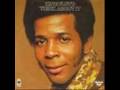
King Floyd

R&B
Soul
 Viberate Rank: 71301
 Viberate Rank: 71301
 Monthly ListenersFollowers
 Subscribers
 Followers
 Followers
 FansTop Spotify Songs
| Track | 7-Day Streams | |
|---|---|---|
1 | 190.43K | |
2 | 35.43K | |
3 | 11.31K | |
4 | 10.31K | |
5 | 1.20K |
Top YouTube Videos| Video | 7-Day Views | |
|---|---|---|
1 | 18.97K | |
2 | 4.82K | |
3 | 528 | |
4 | 293 | |
5 | 112 |
Monthly ListenersFeatured in Playlists| Playlist | Followers | |
|---|---|---|
1 |  Feelin' Good Spotify | 3.58M |
2 |  The Black Power Mixtape 1967–1975 Spotify | 834.23K |
3 | TOP 100 Greatest Blues Songs Of All Time: Best Blues Music Kamilgla | 192.29K |
4 |  Chessy’s Denim Shirt in The Parent Trap emfelhern | 167.10K |
5 |  real good shit Tom Misch | 165.62K |
Audience| City | Monthly Listeners | |
|---|---|---|
1 |  | 5.88K |
2 | | 5.24K |
3 | | 5.20K |
4 |  | 5.01K |
5 | | 4.98K |
See full performance history, audience data, playlist activity, rankings, comparisons, and more in Viberate music analytics. Start with a free trial, then continue with a paid plan.
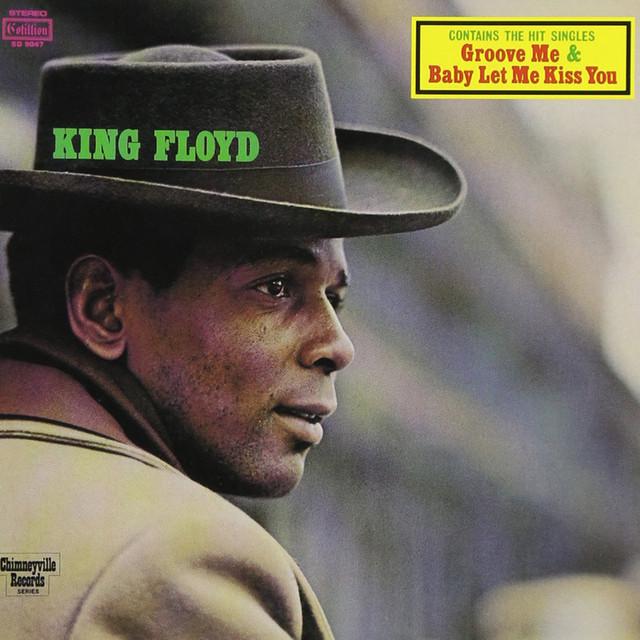
King Floyd’s Spotify BioBest remembered for the smash "Groove Me," New Orleans soul singer King Floyd was born in the Crescent City on February 13, 1945, and raised in nearby Kenner, LA. He began singing on street corners while in his early teens, befriending local musicians like Earl King and Willie Tee. With the aid of New Orleans blues legend Mr. Google Eyes, Floyd landed his first paying gig at the Bourbon Street club Sho-Bar in 1961, although his fledgling career was soon put on hold by military duty. Following his army discharge in late 1963, Floyd migrated to New York City, signing with booking agents Shaw Artists and regularly performing throughout Manhattan. He also began writing songs, encouraged by the likes of Don Covay and J.J. Jackson. After about a year he resettled in Los Angeles, befriending another New Orleans expatriate, composer/arranger Harold Battiste. Through Battiste, Floyd met DJ Buddy Keleen, who in turn brought him to the Original Sound label, which in 1965 issued his debut single,… "Walkin' and Talkin'." Floyd's debut LP, the Battiste-arranged King Floyd: A Man in Love, followed on the Mercury subsidiary Pulsar in 1967; the album went nowhere, and as he was barely making ends meet as a songwriter, he finally returned to New Orleans in 1969.
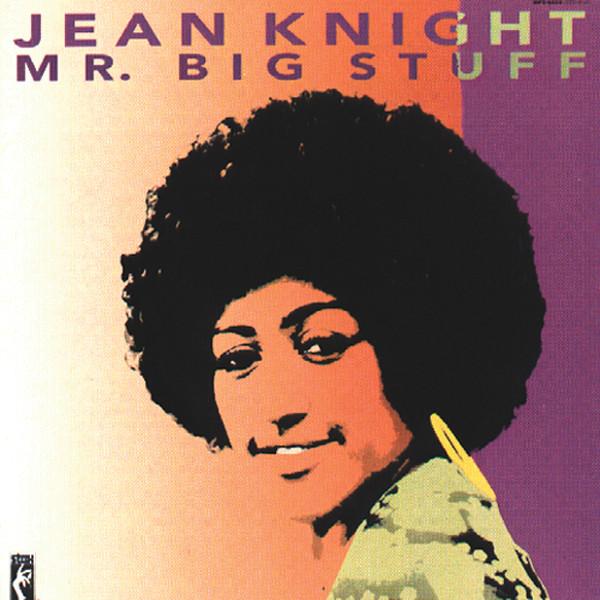
Now a family man, Floyd accepted a post office job upon returning home, but within a month he ran into producer Wardell Quezerque, then a staffer at Malaco Records. On May 17, 1970, they traveled to Malaco's Jackson, MS, studios to cut "Groove Me," recorded in just one take at the same session that would also yield another Quezerque-produced blockbuster, Jean Knight's "Mr. Big Stuff." Floyd wrote "Groove Me" while working in an East L.A. box factory in honor of a young college girl on staff. He was set to give her the lyrics on the morning she abruptly quit, and he never saw her again. With Quezerque's assistance, he transformed the song into a deeply funky, percolating jam somewhere between the best of James Brown and Otis Redding, but ironically, the song first appeared on the Malaco subsidiary Chimneyville as merely the B-side of Floyd's soulful "What Our Love Needs." Only when New Orleans DJ George Vinnett flipped the record over did "Groove Me" begin meriting the attention it deserved, and as the record emerged as a local smash, Atlantic scooped up national distribution rights. "Groove Me" went on to top the Billboard R&B charts and hit number six on the pop charts, going gold on Christmas Day of 1970. Needless to say, Floyd quit his civil service gig and went on a national tour, returning to the R&B Top Ten early in 1971 with the follow-up "Got to Have Your Love," culled from his self-titled Atlantic LP.
Creative differences quickly undermined Floyd's relationship with Quezerque, however, and subsequent efforts, including the fine 1973 LP Think About It, attracted little attention. In a surprise move, Atlantic then issued as a single "Woman Don't Go Away" from the 1971 King Floyd album, earning a gold record three years after the song's original appearance. But Atlantic's agreement with Malaco soon ended, and the latter signed a new distribution deal with Miami-based TK, which also assumed Floyd's production reins for 1975's Well Done, which featured the minor hit "I Feel Like Dynamite." He split with Malaco soon after, landing with Mercury's Dial subsidiary for a one-off single titled "Can You Dig It?"; at the same time, Malaco issued Body Language, a collection of his unreleased recordings for the label. The emergence of disco left few outlets for Floyd's staunchly Southern brand of soul, and in 1978 he returned to L.A. in an attempt to reignite his career and battle some personal demons; upon coming back to Kenner three years later, he mustered up a few local gigs, and in 1982 spent a month touring South Africa. Floyd spent the remainder of the next two decades drifting in and out of the music industry, finally releasing a new Malaco effort, Old Skool Funk, in 2000. ~ Jason Ankeny, Rovi
Viberate is a music analytics platform built for A&Rs, artist managers, labels, booking agents, marketers, and artists.
It helps music professionals track artist growth, analyze audience data, monitor playlist activity, compare artists, follow song performance, and identify opportunities across the music market.
Public artist pages provide a free preview of selected artist data. Paid plans provide access to deeper analytics, historical data, charts, comparisons, playlist tools, exports, alerts, reports, and additional professional features.
Yes. Public Viberate artist pages provide selected artist analytics and music data for free.
Viberate also offers a 7-day free trial of the full platform. A credit card is required to start the trial. The trial includes access to the complete product so users can test deeper artist analytics, historical views, playlist insights, comparisons, charts, exports, alerts, and reporting features before choosing a paid plan.
Viberate provides artist analytics across streaming, playlists, social media, video, radio airplay, songs, and audience markets.
Users can analyze Spotify performance, Spotify and Apple Music playlists, YouTube activity, TikTok and Instagram growth, radio spins, song performance, audience locations, demographics, rankings, and overall artist momentum.
Artist profiles also connect to music charts, similar artists, and comparison tools, helping users benchmark performance and evaluate artists in context.
Viberate updates key artist and track data daily.
For followed artists and tracks, selected data is refreshed multiple times per day. This helps teams monitor playlist changes, streaming movement, audience growth, releases, and campaign performance with more current data.
Update frequency can vary depending on the metric and data source.
Yes. Viberate lets users compare up to five artists side by side across streaming, social media, audience, and engagement metrics.
Users can compare fanbase growth, audience demographics, locations, Spotify performance, social metrics, and other artist data over selected time periods.
Artist comparison can be used for A&R scouting, benchmarking, booking decisions, campaign planning, and evaluating artists with similar audiences or market positions.