Eddie Floyd

R&B
Soul
Contemporary R&B
 Viberate Rank: 58971
 Viberate Rank: 58971
 Monthly ListenersFollowers
 Subscribers
 Followers
 Followers
 FansTop Spotify Songs
| Track | 7-Day Streams | |
|---|---|---|
1 | 166.96K | |
2 | 7.94K | |
3 | 7.73K | |
4 | 6.96K | |
5 | 1.71K |
Top YouTube VideosMonthly ListenersFeatured in Playlists| Playlist | Followers | |
|---|---|---|
1 |  Feelin' Good Spotify | 3.58M |
2 |  All Out 60s Spotify | 3.19M |
3 |  Funk & Soul Classics Spotify | 1.91M |
4 |  Uplifting Soul Classics Spotify | 1.35M |
5 |  The Black Power Mixtape 1967–1975 Spotify | 834.23K |
Audience| City | Monthly Listeners | |
|---|---|---|
1 |  | 8.43K |
2 |  | 5.98K |
3 | | 5.97K |
4 | | 5.02K |
5 | | 4.31K |
See full performance history, audience data, playlist activity, rankings, comparisons, and more in Viberate music analytics. Start with a free trial, then continue with a paid plan.
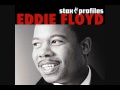
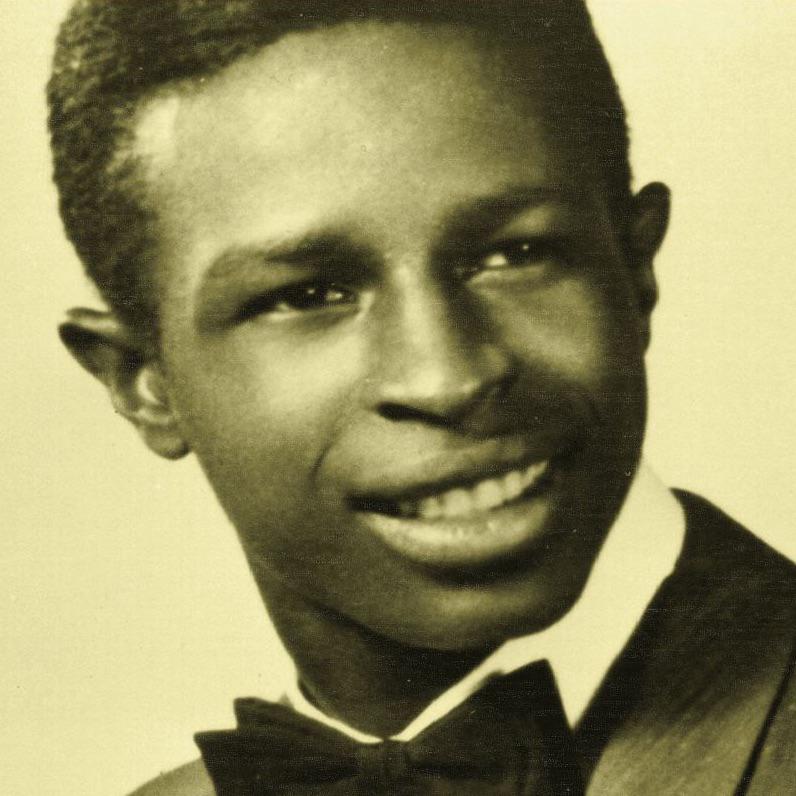
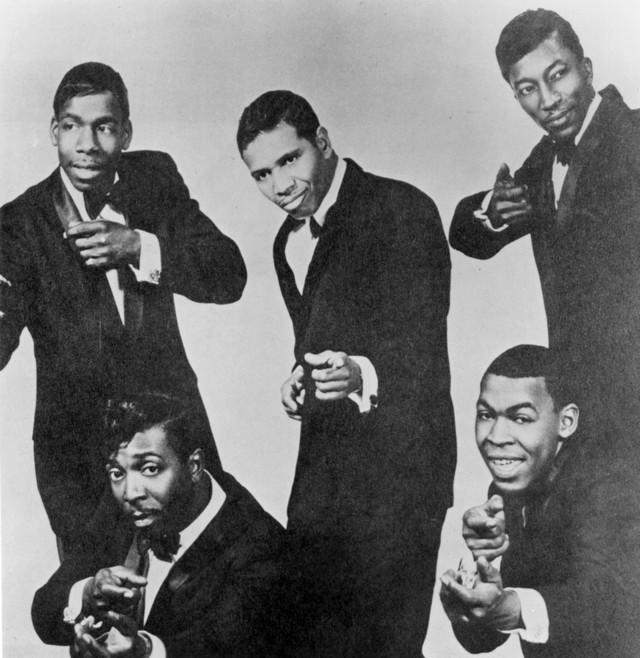
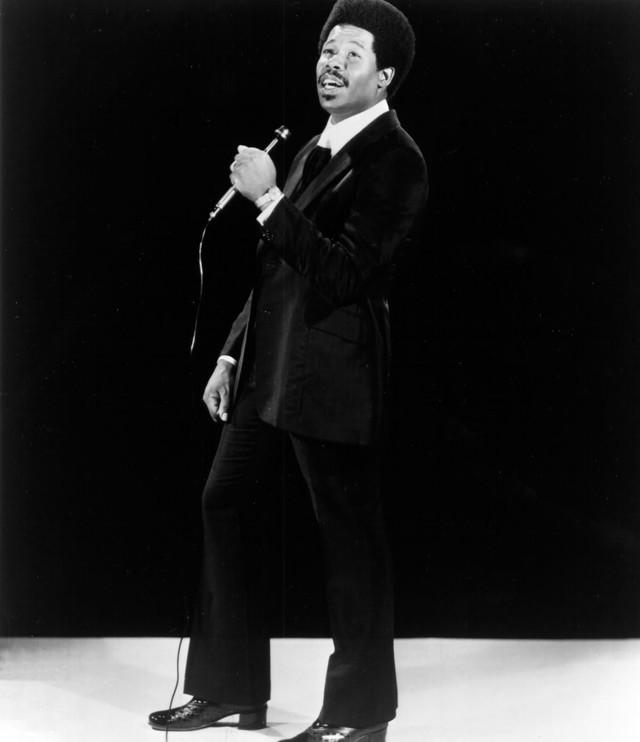
Eddie Floyd’s Spotify BioSoul singer/songwriter Eddie Floyd scored one of the defining hits of the Memphis soul sound with "Knock on Wood," a number one R&B smash that typified the Stax house style at its grittiest. Floyd was born in Montgomery, AL, in 1935, but grew up in Detroit, where his uncle Robert West owned a couple of record labels, including Lupine. In 1955, Floyd co-founded the seminal proto-soul group the Falcons, who eventually scored a major R&B hit with "You're So Fine" in 1959 (with Joe Stubbs, later of the Contours and 100 Proof Aged in Soul, as lead singer). After Stubbs' departure, Floyd spent a brief period as the Falcons' lead singer, until Wilson Pickett joined up. Now recording for West's Lupine imprint, the Falcons and Pickett cut their second undisputed classic, the gospel-inflected ballad "I Found a Love," in 1962. Pickett subsequently went solo, and the Falcons broke up in 1963.
Floyd recorded a few solo sides for Lupine, and moved to Washington, D.C., for a time to work with his DJ… friend, Al Bell; the two founded a label and production company, Safice, co-writing songs and releasing Floyd's recordings. When Bell accepted a job as promotions director at Stax, Floyd followed him to Memphis, where he signed on with Stax as a staff writer and producer. He worked chiefly with Carla Thomas and William Bell at first, and often wrote in tandem with house guitarist Steve Cropper. In early 1966, their composition "634-5789 (Soulsville, USA)" became a number one R&B hit for Wilson Pickett; around the same time, Floyd released his first single for Stax, "Things Get Better," which failed to chart. That summer, Floyd cut "Knock on Wood," another song he'd written with Cropper; initially intended for Otis Redding, the tune wasn't big with Stax management because it was strongly based on the chord changes of Wilson Pickett's "In the Midnight Hour." However, distributor Atlantic smelled a hit, and released the song nationally; their instincts proved correct, as "Knock on Wood" became Stax's third number one R&B hit by the end of the year (strangely, it barely made the Top 30 on the pop charts). Floyd followed his instant soul classic with several more Top 40 R&B hits over the next four years, including "Raise Your Hand," "Love Is a Doggone Good Thing," "On a Saturday Night," "I've Never Found a Girl (To Love Me Like You Do)" (his second biggest hit), and a cover of Sam Cooke's "Bring It on Home to Me."
In spite of diminishing commercial returns, Floyd stayed with Stax as a performer and writer right up to the label's bankruptcy in 1975. He spent two years with the Southern soul/blues label Malaco, recording the album Experience in 1977; while it was regionally popular, the Southern soul sound had long since fallen out of commercial favor. A brief stint at Mercury failed to remake Floyd for the disco age, and after recording with British mod revivalists Secret Affair, he largely drifted away from the studio. Floyd attempted a comeback on Ichiban with 1988's Flashback album; the following year, he performed at President Bush's inaugural ball, and went on to tour with the Blues Brothers Band. In 1998, Floyd made a guest appearance in Blues Brothers 2000, and also performed "634-5789" with Pickett and Jonny Lang. Meanwhile, countless artists have covered "Knock on Wood," most prominently a disco version by Amii Stewart that topped the pop charts in 1979. While in his seventies, Floyd recorded the affirming Eddie Loves You, a project where he revisited some of his classic songs. The album was released in 2008 from a revitalized Stax Records, the perfect pairing of artist and label. ~ Steve Huey, Rovi
Viberate is a music analytics platform built for A&Rs, artist managers, labels, booking agents, marketers, and artists.
It helps music professionals track artist growth, analyze audience data, monitor playlist activity, compare artists, follow song performance, and identify opportunities across the music market.
Public artist pages provide a free preview of selected artist data. Paid plans provide access to deeper analytics, historical data, charts, comparisons, playlist tools, exports, alerts, reports, and additional professional features.
Yes. Public Viberate artist pages provide selected artist analytics and music data for free.
Viberate also offers a 7-day free trial of the full platform. A credit card is required to start the trial. The trial includes access to the complete product so users can test deeper artist analytics, historical views, playlist insights, comparisons, charts, exports, alerts, and reporting features before choosing a paid plan.
Viberate provides artist analytics across streaming, playlists, social media, video, radio airplay, songs, and audience markets.
Users can analyze Spotify performance, Spotify and Apple Music playlists, YouTube activity, TikTok and Instagram growth, radio spins, song performance, audience locations, demographics, rankings, and overall artist momentum.
Artist profiles also connect to music charts, similar artists, and comparison tools, helping users benchmark performance and evaluate artists in context.
Viberate updates key artist and track data daily.
For followed artists and tracks, selected data is refreshed multiple times per day. This helps teams monitor playlist changes, streaming movement, audience growth, releases, and campaign performance with more current data.
Update frequency can vary depending on the metric and data source.
Yes. Viberate lets users compare up to five artists side by side across streaming, social media, audience, and engagement metrics.
Users can compare fanbase growth, audience demographics, locations, Spotify performance, social metrics, and other artist data over selected time periods.
Artist comparison can be used for A&R scouting, benchmarking, booking decisions, campaign planning, and evaluating artists with similar audiences or market positions.