Otis Clay

R&B
Contemporary R&B
Soul Blues
Funk
 Viberate Rank: 128391
 Viberate Rank: 128391
 Monthly ListenersFollowers
 Subscribers
 Followers
 Followers
 FansTop Spotify Songs
| Track | 7-Day Streams | |
|---|---|---|
1 | 22.79K | |
2 | 9.11K | |
3 | 2.86K | |
4 | 2.74K | |
5 | 1.06K |
Top YouTube VideosMonthly ListenersFeatured in Playlists| Playlist | Followers | |
|---|---|---|
1 |  ANTENA 1 ⭐️ Sucessos e Clássicos Internacionais Flashback Carlos Eduardo 🇧🇷 | 46.13K |
2 |  Soul Blues Spotify | 44.92K |
3 |  Ballers Soundtrack Season 1, 2, 3, 4, 5 (Music From The HBO Series) Balling Playlists | 36.96K |
4 |  Cooking & Drinking Focuszero | 24.14K |
5 | Country Blues bonzxme | 23.93K |
Audience| City | Monthly Listeners | |
|---|---|---|
1 | | 1.44K |
2 |  | 1.38K |
3 | | 1.27K |
4 | | 1.22K |
5 | | 1.03K |
See full performance history, audience data, playlist activity, rankings, comparisons, and more in Viberate music analytics. Start with a free trial, then continue with a paid plan.
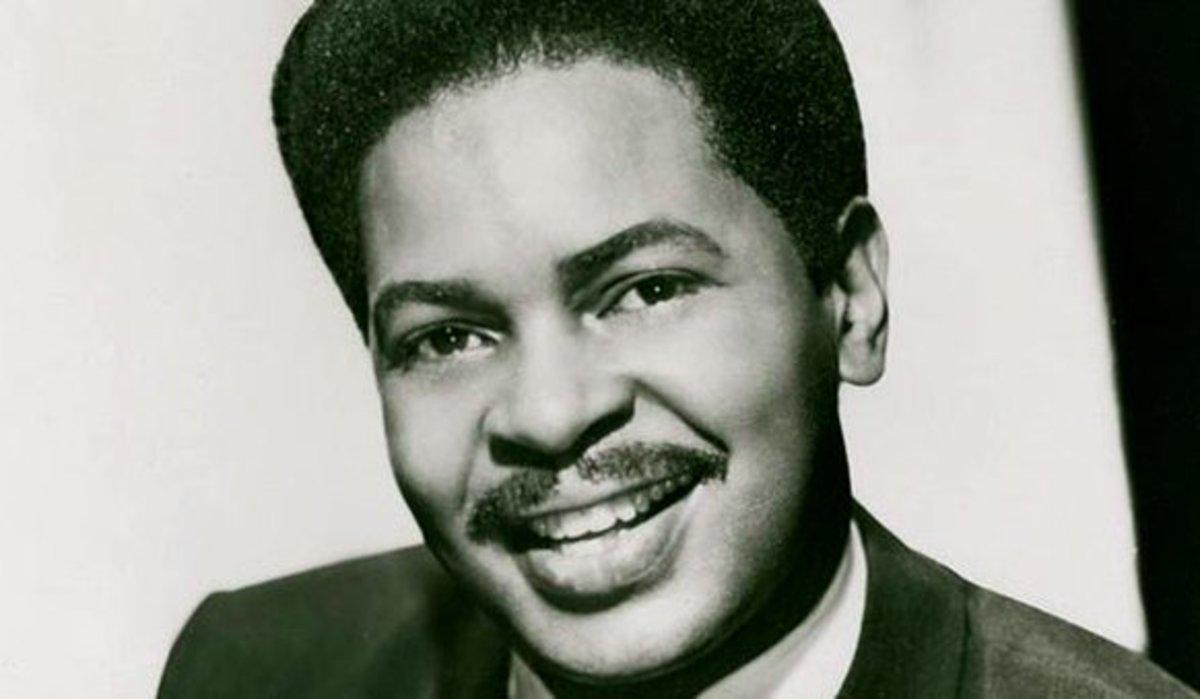
Otis Clay’s Spotify BioA Chicago-based vocalist whose music was steeped in Southern gospel and deep soul, Otis Clay never had a major pop hit, but he was a periodic visitor to the R&B charts and an enduring presence in the world of blues and vintage soul, while also enjoying a long career in spiritual music. Clay was born on February 11, 1942 in Waxhaw, Mississippi, where the church was a vital part of his family's life. In 1953, Clay's family moved to Muncie, Indiana, where he began performing with a local gospel group. In 1957, Clay and his family relocated to Chicago, where he joined the Golden Jubilaires, the first of many gospel groups he would work with in the Windy City. Like many gospel singers, Clay was interested in performing secular music, where one could perform to bigger audiences for bigger paychecks, and in 1962 he cut several R&B sides for producer Carl Davis, who expected to land a deal with Columbia Records; however, Columbia opted not to release the sessions. In 1965, Maurice Dollison,… who had sung in a few gospel groups with Clay and recorded R&B material under the name Cash McCall, introduced him to George Leaner, head of the independent One-Derful! Records, and Leaner signed Clay to a record deal. Clay's first single for One-Derful!, "Flame in Your Heart," fared well locally but went unnoticed on the national charts, and it wasn't until his fifth release for the label, 1967's "That's How It Is (When You're in Love)," that he finally scored a hit that landed on the Billboard R&B charts, peaking at number 34.
Clay's follow-up, "A Lasting Love," made it to number 48 R&B, but he soon received the surprising news that One-Derful! was going out of business and his contract had been sold to Atlantic Records, then America's biggest soul label. Atlantic chose Clay to be the debut artist for their new subsidiary label, Cotillion Records, and his first single for the new imprint, a cover of the Sir Douglas Quintet's "She's About a Mover," rose to 47 on the R&B charts and nudged the lower reaches of the pop singles chart at 97. Clay's other releases for Cotillion didn't do as well, and after cutting "Is It Over?" with producer Willie Mitchell, he struck a deal with Hi Records, where Mitchell was a house producer. Clay's first release for Hi, 1972's "Trying to Live My Life Without You," became his biggest hit, rising to number 24 on the R&B chart; the song gained a new life in 1981, when a cover by Bob Seger rose to the pop Top Ten. The success of the single prompted the release of Clay's first album, also called Trying to Live My Life Without You, and in 1973, he released the fan favorite "If I Could Reach Out (And Help Someone)." The year 1977 saw Clay leave Hi Records for Henry Stone's Kayvette label, though he would also release a string of singles and albums through his own Echo Records (including his last chart hit, 1980's "The Only Way Is Up") and issue several albums in the '90s through the Bullseye Blues label, including Soul Man: Live in Japan, where Clay had developed a devoted following. Though Clay was best known as a soul singer, he continued to perform gospel shows on occasion, and albums like 1993's The Gospel Truth and 2007's Walk a Mile in My Shoes made it clear he had not lost touch with his spiritual roots.
Clay was inducted into the Blues Hall of Fame in 2013, and stayed busy as a live performer, playing clubs and blues festivals around the world, as well as releasing albums such as 2013's Truth Is: Putting Love Back into the Music and 2014's Soul Brothers, a collaboration with Johnny Rawls. Clay was also involved in charitable and activist causes in Chicago; he was a member of the board of People for New Direction, a nonprofit organization addressing issues on the city's West Side, and was a key figure in the transformation of the Bronzeville Regal Theater into the Harold Washington Cultural Center. A heart attack claimed Clay's life on January 8, 2016; he was 73. ~ Mark Deming, Rovi
Viberate is a music analytics platform built for A&Rs, artist managers, labels, booking agents, marketers, and artists.
It helps music professionals track artist growth, analyze audience data, monitor playlist activity, compare artists, follow song performance, and identify opportunities across the music market.
Public artist pages provide a free preview of selected artist data. Paid plans provide access to deeper analytics, historical data, charts, comparisons, playlist tools, exports, alerts, reports, and additional professional features.
Yes. Public Viberate artist pages provide selected artist analytics and music data for free.
Viberate also offers a 7-day free trial of the full platform. A credit card is required to start the trial. The trial includes access to the complete product so users can test deeper artist analytics, historical views, playlist insights, comparisons, charts, exports, alerts, and reporting features before choosing a paid plan.
Viberate provides artist analytics across streaming, playlists, social media, video, radio airplay, songs, and audience markets.
Users can analyze Spotify performance, Spotify and Apple Music playlists, YouTube activity, TikTok and Instagram growth, radio spins, song performance, audience locations, demographics, rankings, and overall artist momentum.
Artist profiles also connect to music charts, similar artists, and comparison tools, helping users benchmark performance and evaluate artists in context.
Viberate updates key artist and track data daily.
For followed artists and tracks, selected data is refreshed multiple times per day. This helps teams monitor playlist changes, streaming movement, audience growth, releases, and campaign performance with more current data.
Update frequency can vary depending on the metric and data source.
Yes. Viberate lets users compare up to five artists side by side across streaming, social media, audience, and engagement metrics.
Users can compare fanbase growth, audience demographics, locations, Spotify performance, social metrics, and other artist data over selected time periods.
Artist comparison can be used for A&R scouting, benchmarking, booking decisions, campaign planning, and evaluating artists with similar audiences or market positions.