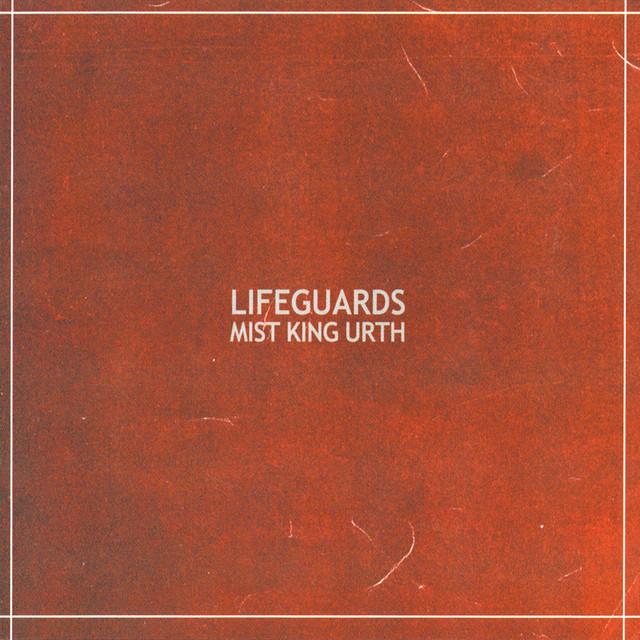
Lifeguards

Rock
Alternative Rock
Garage Rock
 Viberate Rank: 509058
 Viberate Rank: 509058
 Monthly ListenersFollowers
 Subscribers
 Followers
 Followers
 FansTop Spotify Songs
| Track | 7-Day Streams | |
|---|---|---|
1 | 1.97K | |
2 | 824 | |
3 | 439 | |
4 | 355 | |
5 | 255 |
Top YouTube Videos| Video | 7-Day Views | |
|---|---|---|
1 | 17 |
Monthly ListenersFeatured in Playlists| Playlist | Followers | |
|---|---|---|
1 |  This Is The Band Of H.M. Royal Marines Spotify | 1.92K |
2 |  Waning Light Mix Blitzen Trapper | 1.36K |
3 |  British patriotic songs Alfie.PDF | 1.22K |
4 |  Lux & Ivy's Favorites: Songs The Cramps Taught Us David Berlin | 1.15K |
Audience| City | Monthly Listeners | |
|---|---|---|
1 |  | 109 |
2 | | 50 |
3 |  | 19 |
4 | | 19 |
5 | | 18 |
See full performance history, audience data, playlist activity, rankings, comparisons, and more in Viberate music analytics. Start with a free trial, then continue with a paid plan.
Lifeguards’ Spotify BioLifeguards find two notable figures from the Midwest indie rock community joining forces to create tuneful but powerful rock & roll, though it's not the first context in which Robert Pollard and Doug Gillard have worked together. Pollard, from Dayton, OH, had been the leader, principle songwriter, and lead vocalist with Guided by Voices since the group's formation in 1985. Meanwhile, Gillard was a guitarist and songwriter with the Cleveland-based art punk band Death of Samantha from 1984 to the band's breakup in 1990, and later formed the bluesier Cobra Verde with DoS singer and guitarist John Petkovic in 1992. In 1996, Pollard had a falling out with the other members of Guided by Voices, which led to him firing his bandmates and hiring Cobra Verde to serve as his backing band for the recording of the 1997 album Mag Earwhig! and a subsequent tour. (The album included a new recording of the song "I Am a Tree," which Gillard wrote and recorded with his short-lived group Gem.) While… eventually most of the members of Cobra Verde drifted away from the Guided by Voices lineup, Gillard stayed with GbV until Pollard opted to retire the band at the end of 2004. In 1999, Gillard collaborated with Pollard to make the duo album Speak Kindly of Your Volunteer Fire Department, and in 2003 Pollard and Gillard formed Lifeguards as a side project, recording the album Mist King Urth, which was released through Pollard's Fading Captain label. In 2010, Gillard contributed to Our Cubehouse Still Rocks, the fourth album from Pollard's project Boston Spaceships, and later the same year they revived the Lifeguards moniker for another collaborative album, Waving at the Astronauts, which was released in February 2011. ~ Mark Deming, Rovi
Viberate is a music analytics platform built for A&Rs, artist managers, labels, booking agents, marketers, and artists.
It helps music professionals track artist growth, analyze audience data, monitor playlist activity, compare artists, follow song performance, and identify opportunities across the music market.
Public artist pages provide a free preview of selected artist data. Paid plans provide access to deeper analytics, historical data, charts, comparisons, playlist tools, exports, alerts, reports, and additional professional features.
Yes. Public Viberate artist pages provide selected artist analytics and music data for free.
Viberate also offers a 7-day free trial of the full platform. A credit card is required to start the trial. The trial includes access to the complete product so users can test deeper artist analytics, historical views, playlist insights, comparisons, charts, exports, alerts, and reporting features before choosing a paid plan.
Viberate provides artist analytics across streaming, playlists, social media, video, radio airplay, songs, and audience markets.
Users can analyze Spotify performance, Spotify and Apple Music playlists, YouTube activity, TikTok and Instagram growth, radio spins, song performance, audience locations, demographics, rankings, and overall artist momentum.
Artist profiles also connect to music charts, similar artists, and comparison tools, helping users benchmark performance and evaluate artists in context.
Viberate updates key artist and track data daily.
For followed artists and tracks, selected data is refreshed multiple times per day. This helps teams monitor playlist changes, streaming movement, audience growth, releases, and campaign performance with more current data.
Update frequency can vary depending on the metric and data source.
Yes. Viberate lets users compare up to five artists side by side across streaming, social media, audience, and engagement metrics.
Users can compare fanbase growth, audience demographics, locations, Spotify performance, social metrics, and other artist data over selected time periods.
Artist comparison can be used for A&R scouting, benchmarking, booking decisions, campaign planning, and evaluating artists with similar audiences or market positions.