Z.Z. Hill

R&B
Contemporary R&B
Soul
Contemporary Blues
 Viberate Rank: 90931
 Viberate Rank: 90931
 Monthly ListenersFollowers
 Subscribers
 Followers
 Followers
 FansTop Spotify Songs
| Track | 7-Day Streams | |
|---|---|---|
1 | 15.84K | |
2 | 9.54K | |
3 | 7.24K | |
4 | 7.24K | |
5 | 5.08K |
Top YouTube VideosMonthly ListenersFeatured in Playlists| Playlist | Followers | |
|---|---|---|
1 |  Indications' Inspirations Durand Jones & The Indications | 35.68K |
2 |  i guess you wonder where ive been Lance B. Salmingo | 30.92K |
3 | Dinner pop/soul/jazz Jeanine Jünger | 22.52K |
4 |  The Art of Sampling Jah Talks Music | 19.64K |
5 |  Northern Soul ajmcdonald007 | 14.67K |
Audience| City | Monthly Listeners | |
|---|---|---|
1 | | 2.66K |
2 | | 2.44K |
3 | | 2.06K |
4 | | 1.79K |
5 | | 1.73K |
See full performance history, audience data, playlist activity, rankings, comparisons, and more in Viberate music analytics. Start with a free trial, then continue with a paid plan.
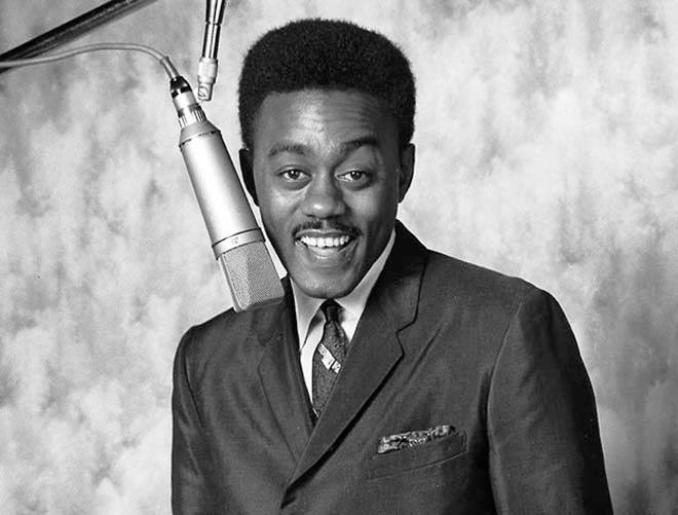
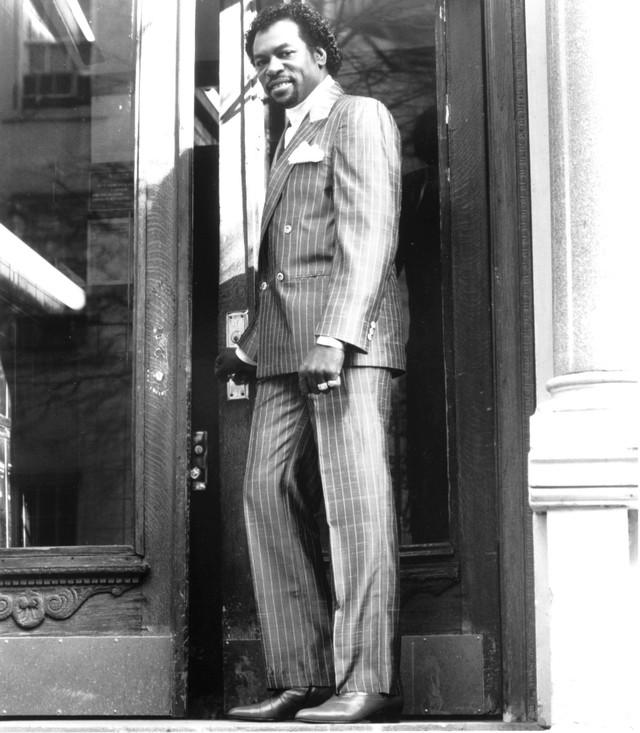
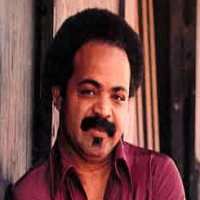
Z.Z. Hill’s Spotify BioTexas-born singer Z.Z. Hill managed to resuscitate both his own semi-flagging career and the entire genre at large when he signed on at Jackson, Mississippi-based Malaco Records in 1980 and began growling his way through some of the most uncompromising blues to be unleashed on Black radio stations in many a moon. His impressive 1982 Malaco album Down Home Blues remained on Billboard's soul album charts for nearly two years, an extraordinary run for such a blatantly bluesy LP. His songs "Down Home Blues" and "Somebody Else Is Steppin' In" have graduated into the ranks of legitimate blues standards.
Arzell Hill started out singing gospel with a quintet called the Spiritual Five, but the output of B.B. King, Bobby Bland, and especially Sam Cooke made a more indelible mark on his approach. He began gigging around Dallas, fashioning his distinctive initials after those of B.B. King. When his older brother Matt Hill (a budding record producer with his own label, M.H.) invited Z.Z. to go west… to Southern California, the young singer did.
His debut single on M.H., the gutsy shuffle "You Were Wrong" (recorded in an L.A. garage studio), showed up on the pop chart for a week in 1964. With such a relatively successful showing his first time out, Hill's fine subsequent singles for the Bihari Brothers' Kent logo should have been even bigger. However, "I Need Someone (To Love Me)," "Happiness Is All I Need," and a raft of other deserving Kent 45s (many produced and arranged by Maxwell Davis) went nowhere commercially for the singer. Excellent singles for Atlantic, Mankind, and Hill (another imprint operated by brother Matt, who served as Z.Z.'s producer for much of his career) preceded a 1972 hookup with United Artists that resulted in three albums and six R&B chart singles over the next couple of years.
From there, Z.Z. moved on to Columbia, where his 1977 single "Love Is So Good When You're Stealing It" became his biggest-selling hit of all. But Hill's vocal grit was never more effective than on his blues-soaked Malaco output. From 1980 until 1984, when he died suddenly of a heart attack, Z.Z. bravely led a personal back-to-the-blues campaign that doubtless helped to fuel the subsequent contemporary blues boom. It's a shame he couldn't stick around to see it blossom. ~ Bill Dahl, Rovi
Viberate is a music analytics platform built for A&Rs, artist managers, labels, booking agents, marketers, and artists.
It helps music professionals track artist growth, analyze audience data, monitor playlist activity, compare artists, follow song performance, and identify opportunities across the music market.
Public artist pages provide a free preview of selected artist data. Paid plans provide access to deeper analytics, historical data, charts, comparisons, playlist tools, exports, alerts, reports, and additional professional features.
Yes. Public Viberate artist pages provide selected artist analytics and music data for free.
Viberate also offers a 7-day free trial of the full platform. A credit card is required to start the trial. The trial includes access to the complete product so users can test deeper artist analytics, historical views, playlist insights, comparisons, charts, exports, alerts, and reporting features before choosing a paid plan.
Viberate provides artist analytics across streaming, playlists, social media, video, radio airplay, songs, and audience markets.
Users can analyze Spotify performance, Spotify and Apple Music playlists, YouTube activity, TikTok and Instagram growth, radio spins, song performance, audience locations, demographics, rankings, and overall artist momentum.
Artist profiles also connect to music charts, similar artists, and comparison tools, helping users benchmark performance and evaluate artists in context.
Viberate updates key artist and track data daily.
For followed artists and tracks, selected data is refreshed multiple times per day. This helps teams monitor playlist changes, streaming movement, audience growth, releases, and campaign performance with more current data.
Update frequency can vary depending on the metric and data source.
Yes. Viberate lets users compare up to five artists side by side across streaming, social media, audience, and engagement metrics.
Users can compare fanbase growth, audience demographics, locations, Spotify performance, social metrics, and other artist data over selected time periods.
Artist comparison can be used for A&R scouting, benchmarking, booking decisions, campaign planning, and evaluating artists with similar audiences or market positions.