Marvin Sease

R&B
Soul
Contemporary Blues
Funk
 Viberate Rank: 75764
 Viberate Rank: 75764
 Monthly ListenersFollowers
 Subscribers
 Followers
 Followers
 FansTop Spotify Songs
| Track | 7-Day Streams | |
|---|---|---|
1 | 17.92K | |
2 | 6.92K | |
3 | 3.71K | |
4 | 3.45K | |
5 | 3.36K |
Top YouTube Videos| Video | 7-Day Views | |
|---|---|---|
1 | 3.55K | |
2 | 878 | |
3 | 788 | |
4 | 705 | |
5 | 548 |
Monthly ListenersFeatured in Playlists| Playlist | Followers | |
|---|---|---|
1 | Dirty adult songs Sue Nami | 17.15K |
2 | Southern Soul Blues Mix 2024 rquick1202 | 12.36K |
3 | Southern Soul BBQ Mix Jerald Henry | 10.64K |
4 |  Joint Rolling SVVISHER | 10.19K |
5 |  Soulful Christmas rswplaylists | 9.82K |
Audience| City | Monthly Listeners | |
|---|---|---|
1 | | 3.43K |
2 | | 3.06K |
3 | | 2.60K |
4 | | 2.05K |
5 | | 1.59K |
See full performance history, audience data, playlist activity, rankings, comparisons, and more in Viberate music analytics. Start with a free trial, then continue with a paid plan.
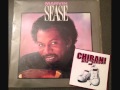
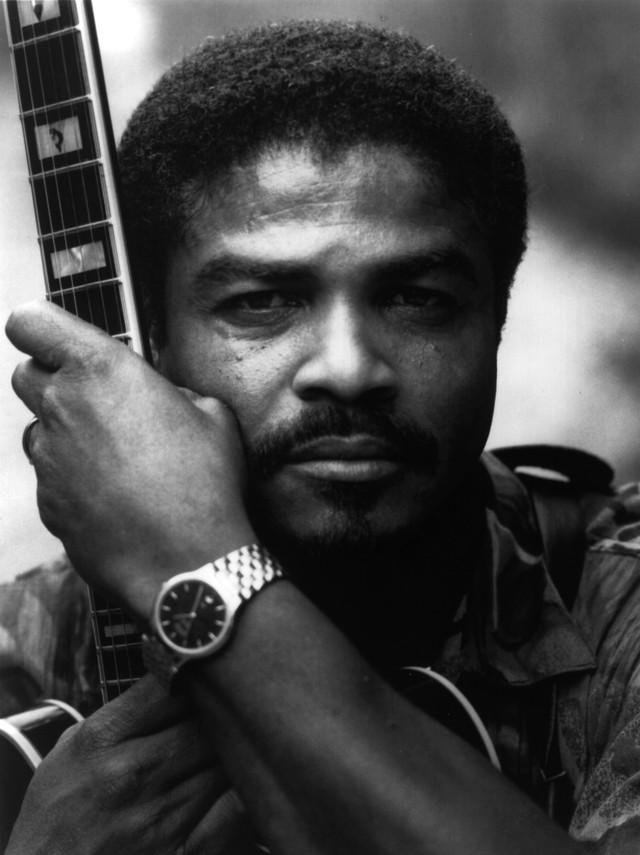
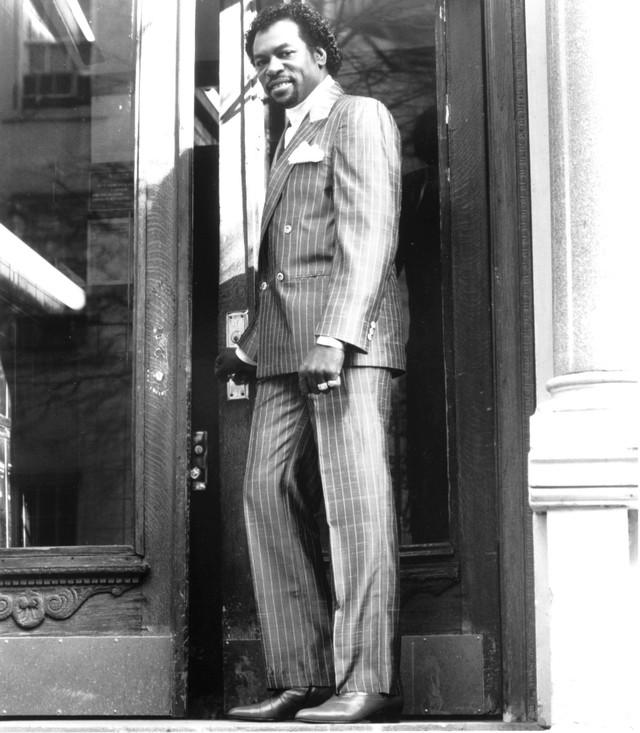
Marvin Sease’s Spotify BioDespite a lack of attention from most print sources and other common avenues of publicity in the blues world, Marvin Sease has turned his smooth, X-rated ladies' man persona into a cottage industry complete with merchandising in the Deep South. Sease straddles the line between blues and gospel-drenched soul, much like fellow Southern singers Johnnie Taylor and Tyrone Davis, but his often racy lyrics and concert performances, coupled with the advantages of major-label distribution, have ensured Sease a strong following, particularly among female fans enamored of his signature song and breakthrough jukebox hit, the provocative, innuendo-laced "Candy Licker." Born in Blackville, S.C., Sease got his start by joining a gospel group in nearby Charleston called the Five Gospel Singers, and moved to New York at age 20, where he joined another gospel group called the Gospel Crowns. Preferring R&B, though, Sease put together a backing band (called Sease) featuring his three brothers. When this… venture failed, Sease began singing to pre-recorded backing tracks at local dances and clubs, self-released several 45s, and eventually scored a regular gig at a Brooklyn nightspot called the Casablanca. Gunning for greater success, Sease recorded a self-titled LP in 1986 featuring one of his most popular songs, "Ghetto Man," and began working the South's so-called chitlin circuit of ghetto bars, rural juke joints, and blues festivals. While shopping the LP, released on his own Early label, to record stores, Sease stumbled upon a contact who eventually got him a deal with Polygram, which re-released the LP on London/Mercury in 1987 with the addition of the newly recorded, ten-minute track "Candy Licker." "Candy Licker" became an underground success on jukeboxes across the South; it was too explicit for radio airplay, but audiences -- especially female ones -- flocked to see Sease in concert. Over the next ten years, Sease recorded a string of albums for London/Mercury (Breakfast, 1987; The Real Deal, 1989; Show Me What You Got, 1991) and the New York-based Jive (The Housekeeper, 1993; Do You Need a Licker?, 1994; Please Take Me, 1996) that sold consistently well, although none have yet matched the performance of Marvin Sease, which hit number 14 on Billboard's R&B chart and number 114 on the pop chart. Several more releases were issued before the '90s came to a close: Bitch Git It All (1997), Hoochie Momma (1999). Women Would Rather Be Licked was issued in early 2001. The live CD and DVD Live with the Candy Licker both appeared in 2005. ~ Steve Huey, Rovi
Viberate is a music analytics platform built for A&Rs, artist managers, labels, booking agents, marketers, and artists.
It helps music professionals track artist growth, analyze audience data, monitor playlist activity, compare artists, follow song performance, and identify opportunities across the music market.
Public artist pages provide a free preview of selected artist data. Paid plans provide access to deeper analytics, historical data, charts, comparisons, playlist tools, exports, alerts, reports, and additional professional features.
Yes. Public Viberate artist pages provide selected artist analytics and music data for free.
Viberate also offers a 7-day free trial of the full platform. A credit card is required to start the trial. The trial includes access to the complete product so users can test deeper artist analytics, historical views, playlist insights, comparisons, charts, exports, alerts, and reporting features before choosing a paid plan.
Viberate provides artist analytics across streaming, playlists, social media, video, radio airplay, songs, and audience markets.
Users can analyze Spotify performance, Spotify and Apple Music playlists, YouTube activity, TikTok and Instagram growth, radio spins, song performance, audience locations, demographics, rankings, and overall artist momentum.
Artist profiles also connect to music charts, similar artists, and comparison tools, helping users benchmark performance and evaluate artists in context.
Viberate updates key artist and track data daily.
For followed artists and tracks, selected data is refreshed multiple times per day. This helps teams monitor playlist changes, streaming movement, audience growth, releases, and campaign performance with more current data.
Update frequency can vary depending on the metric and data source.
Yes. Viberate lets users compare up to five artists side by side across streaming, social media, audience, and engagement metrics.
Users can compare fanbase growth, audience demographics, locations, Spotify performance, social metrics, and other artist data over selected time periods.
Artist comparison can be used for A&R scouting, benchmarking, booking decisions, campaign planning, and evaluating artists with similar audiences or market positions.