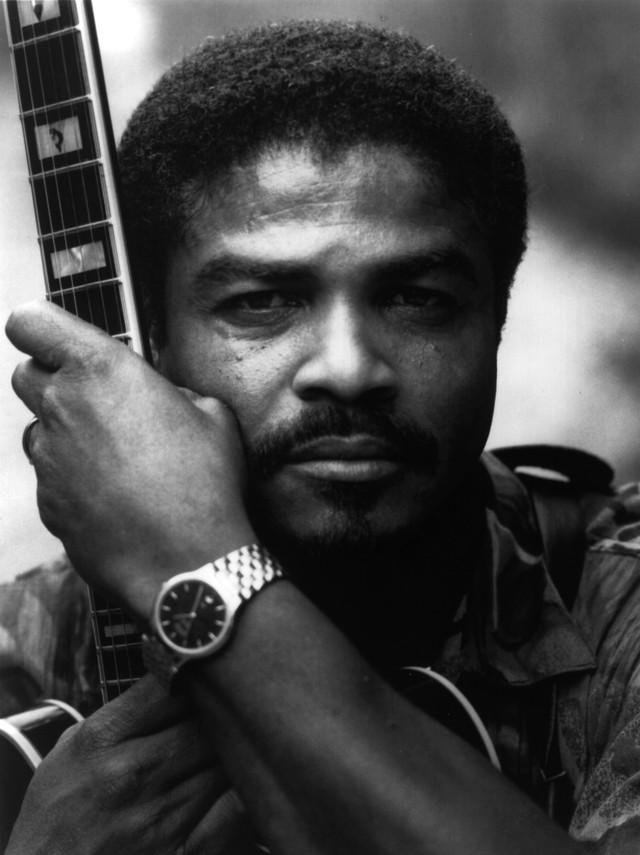
Mel Waiters

R&B
Soul
Contemporary Blues
 Viberate Rank: 66051
 Viberate Rank: 66051
 Monthly ListenersFollowers
 Subscribers
 Followers
 Followers
 FansTop Spotify Songs
| Track | 7-Day Streams | |
|---|---|---|
1 | 29.71K | |
2 | 19.33K | |
3 | 4.63K | |
4 | 3.36K | |
5 | 2.81K |
Top YouTube VideosMonthly ListenersFeatured in Playlists| Playlist | Followers | |
|---|---|---|
1 | BLACK SUMMER COOKOUT King Retro 1 | 67.01K |
2 | Southern Soul Blues Mix 2024 rquick1202 | 12.36K |
3 | Southern Soul BBQ Mix Jerald Henry | 10.64K |
4 |  Joint Rolling SVVISHER | 10.19K |
5 | Cookout Music William Dixon | 10.15K |
Audience| City | Monthly Listeners | |
|---|---|---|
1 | | 6.57K |
2 | | 5.32K |
3 | | 4.72K |
4 | | 3.59K |
5 | | 2.37K |
See full performance history, audience data, playlist activity, rankings, comparisons, and more in Viberate music analytics. Start with a free trial, then continue with a paid plan.
Mel Waiters’ Spotify BioR&B singer Mel Waiters mixed the grit of urban blues with the grooves and spirit of vintage soul and created a sound that made him a headliner on the Southern soul circuit, where tunes like "Got My Whiskey," "Hole in the Wall," and "The Smaller the Club" ("the bigger the party") became fan favorites. Born in San Antonio, Texas on June 25, 1956, Waiters began performing when he was 18 years old, dividing his time between gigs at local soul clubs and singing with gospel choirs at church. At first, singing wasn't bringing Waiters a dependable income, so he sidelined as a radio DJ, and also found a lucrative gig performing at military bases. It was in the early '90s that Waiters career finally began to connect (Waiters claimed he got some useful advice and assistance from New Orleans R&B legend Bobby Marchan), and in 1995 he recorded his first album, I'm Serious. The year 1997 brought the album Woman in Need, which featured the first of Waiters' underground hits about the joys of partying,… "Got My Whiskey," and between 1999 and 2015 Waiters released 11 albums, becoming a star on the circuit that had supported artists like Bobby Rush and Marvin Sease for decades and earning an especially loyal audience in New Orleans and St. Louis. In early 2015, the hard-working Waiters was diagnosed with cancer, and the singer died after a short battle with the disease on May 28, 2015. ~ Mark Deming, Rovi
Viberate is a music analytics platform built for A&Rs, artist managers, labels, booking agents, marketers, and artists.
It helps music professionals track artist growth, analyze audience data, monitor playlist activity, compare artists, follow song performance, and identify opportunities across the music market.
Public artist pages provide a free preview of selected artist data. Paid plans provide access to deeper analytics, historical data, charts, comparisons, playlist tools, exports, alerts, reports, and additional professional features.
Yes. Public Viberate artist pages provide selected artist analytics and music data for free.
Viberate also offers a 7-day free trial of the full platform. A credit card is required to start the trial. The trial includes access to the complete product so users can test deeper artist analytics, historical views, playlist insights, comparisons, charts, exports, alerts, and reporting features before choosing a paid plan.
Viberate provides artist analytics across streaming, playlists, social media, video, radio airplay, songs, and audience markets.
Users can analyze Spotify performance, Spotify and Apple Music playlists, YouTube activity, TikTok and Instagram growth, radio spins, song performance, audience locations, demographics, rankings, and overall artist momentum.
Artist profiles also connect to music charts, similar artists, and comparison tools, helping users benchmark performance and evaluate artists in context.
Viberate updates key artist and track data daily.
For followed artists and tracks, selected data is refreshed multiple times per day. This helps teams monitor playlist changes, streaming movement, audience growth, releases, and campaign performance with more current data.
Update frequency can vary depending on the metric and data source.
Yes. Viberate lets users compare up to five artists side by side across streaming, social media, audience, and engagement metrics.
Users can compare fanbase growth, audience demographics, locations, Spotify performance, social metrics, and other artist data over selected time periods.
Artist comparison can be used for A&R scouting, benchmarking, booking decisions, campaign planning, and evaluating artists with similar audiences or market positions.