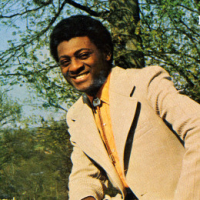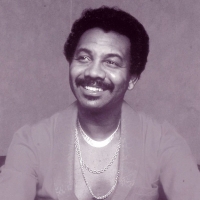
Tyrone Davis

R&B
Soul
Contemporary Blues
 Viberate Rank: 51950
 Viberate Rank: 51950
 Monthly ListenersFollowers
 Subscribers
 Followers
 Followers
 FansTop Spotify Songs
| Track | 7-Day Streams | |
|---|---|---|
1 | 39.12K | |
2 | 20.03K | |
3 | 13.94K | |
4 | 11.21K | |
5 | 8.20K |
Top YouTube VideosMonthly ListenersFeatured in Playlists| Playlist | Followers | |
|---|---|---|
1 |  real good shit Tom Misch | 165.62K |
2 |  70s R&B/Soul - The Golden Era Raul Gabriel - Music | 159.65K |
3 |  I Love My 60s Funk Spotify | 111.08K |
4 |  Once Upon A Time In...Hollywood Radio Josh Gardner | 100.16K |
5 | 60s Soul Classics teo227 | 44.94K |
Audience| City | Monthly Listeners | |
|---|---|---|
1 | | 5.73K |
2 |  | 5.59K |
3 | | 5.19K |
4 | | 4.48K |
5 |  | 4.36K |
See full performance history, audience data, playlist activity, rankings, comparisons, and more in Viberate music analytics. Start with a free trial, then continue with a paid plan.
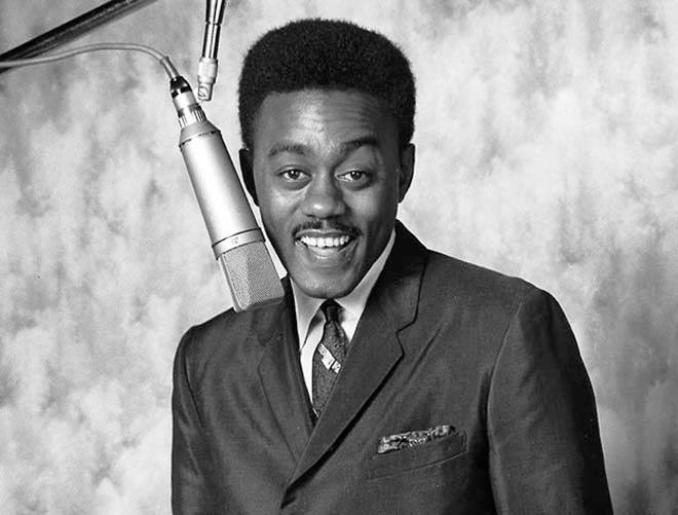
Tyrone Davis’ Spotify BioThe king of romantic Chicago soul, Tyrone Davis' warm, aching vulnerability and stylish class made him especially popular with female soul fans during a lengthy hitmaking run that lasted throughout the 1970s. Best known for the classics "Can I Change My Mind" and "Turn Back the Hands of Time," Davis was a versatile baritone singer who could handle everything from pop-soul to funk to bluesy chitlin-circuit R&B, but smooth soul was his true bread and butter. Once Davis broke through in the late '60s, he never really stopped recording; although the R&B chart hits dried up by the early '80s, he was still going strong into the new millennium, decades after his first single was released.
Tyrone Davis was born in Greenville, Mississippi; he spent most of his formative years in Saginaw, Michigan, and moved to Chicago in 1959, where he eventually found a job as a valet and chauffeur for bluesman Freddie King. He befriended the likes of Bobby "Blue" Bland, Little Milton, and Otis Clay, among… others, and began to pursue his own singing career in the clubs on the city's West and South Sides. Singer/pianist Harold Burrage took Davis under his wing and helped him refine his craft, and the budding blues shouter got his first shot in 1965 on the Four Brothers label. His first single, "Suffer," was recorded under the name Tyrone the Wonder Boy and written and produced by Burrage, as was the follow-up "Good Company." Unfortunately, Burrage passed away in late 1966, and after one more single Davis moved on to cut one-offs for Sack and ABC. He found a home at Carl Davis' new label Dakar in 1968, when a Texas DJ flipped his first release over and started playing the B-side, "Can I Change My Mind." Showcasing Davis' lovelorn pleading to best effect, the song went all the way to number one on the R&B charts, and reached the pop Top Five as well.
Teamed with producer/arranger Willie Henderson, who'd masterminded "Can I Change My Mind," Davis capitalized on his breakthrough with a string of orchestrated hits that emphasized his new, smoother style, and helped point the way for Chicago soul into a new decade. "Is It Something You've Got" reached the R&B Top Five in 1969, and it was followed in 1970 by the sublime "Turn Back the Hands of Time." It was his second R&B number one, and also his biggest hit on the pop charts with a peak at number three; plus, the accompanying album of the same name ranks among the best soul LPs of its time, producing two more hits in the R&B Top Ten "I'll Be Right Here" and "Let Me Back In." Davis hit the R&B Top 40 with steady regularity over the next few years, including the Top Tens "Could I Forget You," "I Had It All the Time," "Without You in My Life," and "There It Is." In 1975, he scored his third number one R&B hit with "Turning Point," but left Dakar for Columbia the following year.
Davis' ballad mastery was a main selling point for Columbia, which made his backing orchestrations even lusher than before, but he also made the occasional concession to contemporary dance trends, which informed his debut Columbia hit "Give It Up (Turn It Loose)," a number two R&B single from 1976. Further successes followed in "This I Swear" (1977), "Get On Up (Disco)" (1978), and the slinky ballad "In the Mood" (1979). Davis recorded his final album for Columbia in 1981, then switched to Highrise, where he promptly landed a Top Five R&B hit -- his last, as it turned out -- with "Are You Serious" in 1982. Short stints with Ocean-Front and Prelude followed before Davis settled in with Future for the latter half of the '80s. He spent the first half of the '90s on retro-soul label Ichiban, recording several albums, and then moved to Southern soul imprint Malaco in 1996 for an equally productive stay that lasted into the new millennium. Davis continued to release new albums every year or two, and toured the soul/blues circuit as restlessly as ever. Tyrone Davis suffered a stroke in October 2004 and remained hospitalized until his death in February 2005. ~ Steve Huey, Rovi
Viberate is a music analytics platform built for A&Rs, artist managers, labels, booking agents, marketers, and artists.
It helps music professionals track artist growth, analyze audience data, monitor playlist activity, compare artists, follow song performance, and identify opportunities across the music market.
Public artist pages provide a free preview of selected artist data. Paid plans provide access to deeper analytics, historical data, charts, comparisons, playlist tools, exports, alerts, reports, and additional professional features.
Yes. Public Viberate artist pages provide selected artist analytics and music data for free.
Viberate also offers a 7-day free trial of the full platform. A credit card is required to start the trial. The trial includes access to the complete product so users can test deeper artist analytics, historical views, playlist insights, comparisons, charts, exports, alerts, and reporting features before choosing a paid plan.
Viberate provides artist analytics across streaming, playlists, social media, video, radio airplay, songs, and audience markets.
Users can analyze Spotify performance, Spotify and Apple Music playlists, YouTube activity, TikTok and Instagram growth, radio spins, song performance, audience locations, demographics, rankings, and overall artist momentum.
Artist profiles also connect to music charts, similar artists, and comparison tools, helping users benchmark performance and evaluate artists in context.
Viberate updates key artist and track data daily.
For followed artists and tracks, selected data is refreshed multiple times per day. This helps teams monitor playlist changes, streaming movement, audience growth, releases, and campaign performance with more current data.
Update frequency can vary depending on the metric and data source.
Yes. Viberate lets users compare up to five artists side by side across streaming, social media, audience, and engagement metrics.
Users can compare fanbase growth, audience demographics, locations, Spotify performance, social metrics, and other artist data over selected time periods.
Artist comparison can be used for A&R scouting, benchmarking, booking decisions, campaign planning, and evaluating artists with similar audiences or market positions.