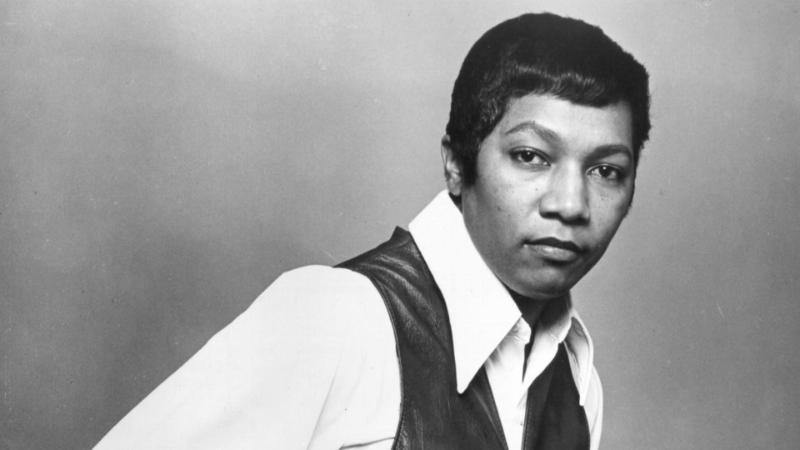
Joe Simon

R&B
Soul
Contemporary R&B
Funk
 Viberate Rank: 76200
 Viberate Rank: 76200
 Monthly ListenersFollowers
 Subscribers
 Followers
 Followers
 FansTop Spotify Songs
| Track | 7-Day Streams | |
|---|---|---|
1 | 14.82K | |
2 | 7.42K | |
3 | 2.84K | |
4 | 1.65K | |
5 | 1.15K |
Top YouTube VideosMonthly ListenersFeatured in Playlists| Playlist | Followers | |
|---|---|---|
1 |  70s Soul Classics Spotify | 1.88M |
2 |  Once Upon A Time In...Hollywood Radio Josh Gardner | 100.16K |
3 | Ignatious Pop 1 | 98.73K |
4 | While You Work (@whileyouwork) Eli Feghali | 81.75K |
5 |  The Sound of Everything The Sounds of Spotify | 53.81K |
Audience| City | Monthly Listeners | |
|---|---|---|
1 |  | 1.11K |
2 | | 1.11K |
3 | | 941 |
4 | | 937 |
5 | | 916 |
See full performance history, audience data, playlist activity, rankings, comparisons, and more in Viberate music analytics. Start with a free trial, then continue with a paid plan.
Joe Simon’s Spotify BioHis plaintive baritone equally conversant with R&B and country phrasing, Joe Simon married the two genres with startling success during the late '60s, adapting Nashville material to the soul sound and repeatedly coming up a winner. Simon began recording in the Bay Area, but a switch in recording sites (first to Muscle Shoals for Vee-Jay and then to Nashville after signing with disc jockey John Richbourg's Sound Stage 7 label in 1966) heightened his national appeal. With easy access to prime country-oriented material, Simon soon found his true calling, scoring major hits with "Nine Pound Steel," "(You Keep Me) Hangin' On," and the number one R&B smash "The Chokin' Kind," penned by Music Row tunesmith Harlan Howard. Still dabbling in country covers after switching to the Spring imprint in 1970, Simon was even more successful when assigned to Philadelphia wizards Kenny Gamble and Leon Huff, who produced the moody "Drowning in the Sea of Love" the next year. Simon tried his hand at disco… in 1975 with the sizzling "Get Down, Get Down (Get on the Floor)" and "Music in My Bones," two of the most palatable artifacts of the era. Simon eventually retired from active performing to devote his life to the church; in the 1990s, he recorded a gospel album called This Story Must Be Told. Joe Simon died at his home in Illinois on December 13, 2021 at the age of 78. ~ Bill Dahl, Rovi
Viberate is a music analytics platform built for A&Rs, artist managers, labels, booking agents, marketers, and artists.
It helps music professionals track artist growth, analyze audience data, monitor playlist activity, compare artists, follow song performance, and identify opportunities across the music market.
Public artist pages provide a free preview of selected artist data. Paid plans provide access to deeper analytics, historical data, charts, comparisons, playlist tools, exports, alerts, reports, and additional professional features.
Yes. Public Viberate artist pages provide selected artist analytics and music data for free.
Viberate also offers a 7-day free trial of the full platform. A credit card is required to start the trial. The trial includes access to the complete product so users can test deeper artist analytics, historical views, playlist insights, comparisons, charts, exports, alerts, and reporting features before choosing a paid plan.
Viberate provides artist analytics across streaming, playlists, social media, video, radio airplay, songs, and audience markets.
Users can analyze Spotify performance, Spotify and Apple Music playlists, YouTube activity, TikTok and Instagram growth, radio spins, song performance, audience locations, demographics, rankings, and overall artist momentum.
Artist profiles also connect to music charts, similar artists, and comparison tools, helping users benchmark performance and evaluate artists in context.
Viberate updates key artist and track data daily.
For followed artists and tracks, selected data is refreshed multiple times per day. This helps teams monitor playlist changes, streaming movement, audience growth, releases, and campaign performance with more current data.
Update frequency can vary depending on the metric and data source.
Yes. Viberate lets users compare up to five artists side by side across streaming, social media, audience, and engagement metrics.
Users can compare fanbase growth, audience demographics, locations, Spotify performance, social metrics, and other artist data over selected time periods.
Artist comparison can be used for A&R scouting, benchmarking, booking decisions, campaign planning, and evaluating artists with similar audiences or market positions.