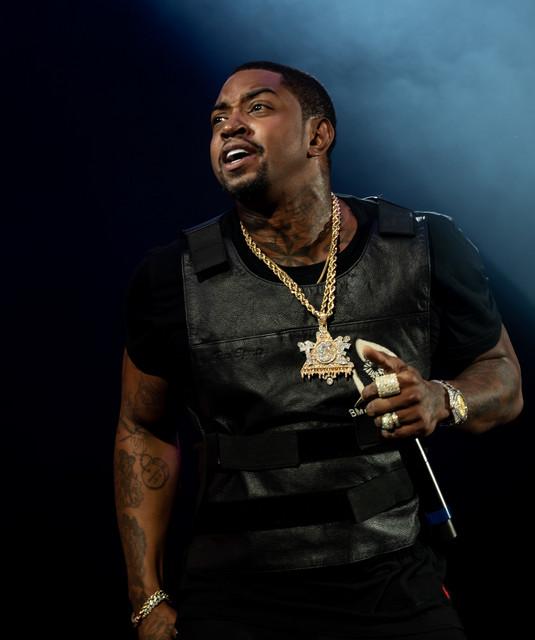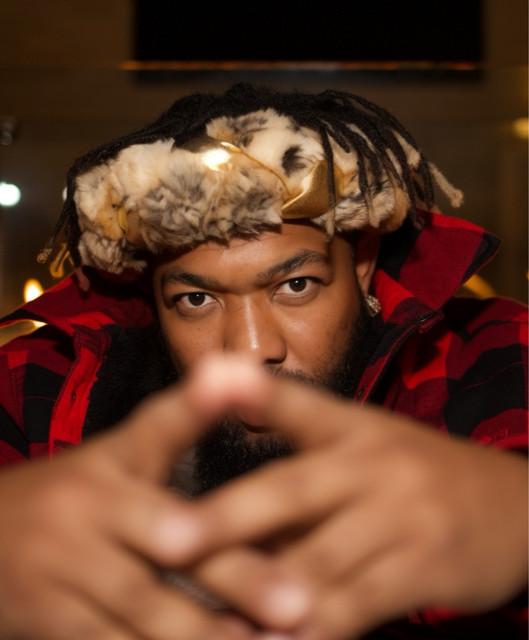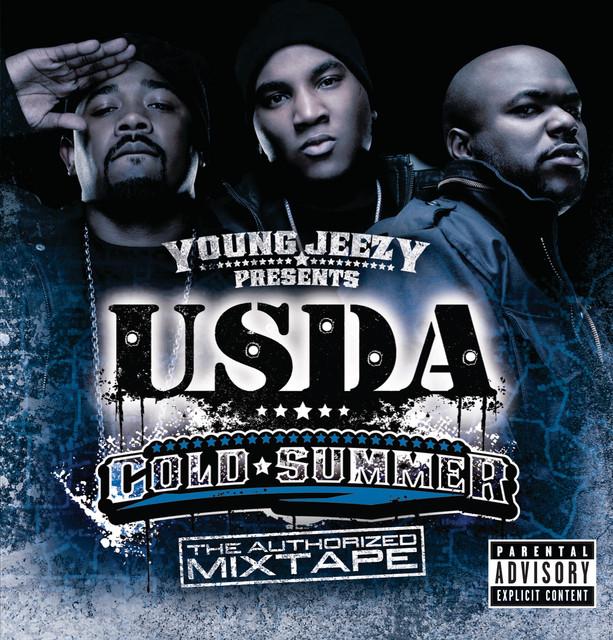
Young Dro

Hip Hop
Trap
Contemporary Hip Hop
 Viberate Rank: 6932
 Viberate Rank: 6932
 Monthly ListenersFollowers
 Subscribers
 Followers
 Followers
 FansTop Spotify Songs
| Track | 7-Day Streams | |
|---|---|---|
1 | 303.55K | |
2 | 119.97K | |
3 | 79.28K | |
4 | 78.11K | |
5 | 38.04K |
Top YouTube Videos| Video | 7-Day Views | |
|---|---|---|
1 | 456.65K | |
2 | 71.22K | |
3 | 41.97K | |
4 | 38.77K | |
5 | 38.33K |
Monthly ListenersFeatured in Playlists| Playlist | Followers | |
|---|---|---|
1 |  Get Turnt Spotify | 6.45M |
2 |  Down South Classics Spotify | 593.31K |
3 |  House Party Spotify | 481.59K |
4 |  Need for Speed: Most Wanted (2005) Need for Speed | 476.60K |
5 |  2000s Hip-Hop Spotify | 457.94K |
Audience| City | Monthly Listeners | |
|---|---|---|
1 | | 31.96K |
2 | | 29.82K |
3 | | 26.38K |
4 | | 24.71K |
5 | | 20.25K |
See full performance history, audience data, playlist activity, rankings, comparisons, and more in Viberate music analytics. Start with a free trial, then continue with a paid plan.
Young Dro’s Spotify BioAtlanta rapper and T.I. protégé Young Dro decided to pursue a career in rap music in order to break the cycle of tribulations from hustling and inner-city life. Young Dro was born D'Juan Hart in Bankhead, a particularly rough neighborhood on Atlanta's west side. His inspiration for wanting to rap came from the success of one of his best friends, Chris "Daddy Mack" Smith, one half of early-'90s rap sensation Kris Kross. Musically speaking, however, Goodie Mob -- also west Atlanta natives -- had the biggest impact on him. Hart embarked on his professional career around 2000 when he signed to bass music rapper Raheem the Dream's local Atlanta label, Tight IV Life Records, under the moniker Dro. He released the regional hit "Yes Sir" and album I Got That Dro around the same time T.I. dropped his debut, I'm Serious.
Although he had known T.I. since the early '90s, they hadn't been in contact for several years. However, by early 2006 they had reconnected and Young Dro was signed to T.I.'s… imprint, Grand Hustle Entertainment. Backed by the self-proclaimed "King of the South" T.I. and major-label Atlantic Records, Young Dro hit the ground running with the popular single "Shoulder Lean" in summer 2006. It had heavy rotation on BET and MTV2, and its cellular phone ringtone sold over 500,000 units. The hit single was featured on his major-label debut, Best Thang Smokin', released in late August of the same year.
A series of mixtapes followed, but the rapper didn't return with an official album until 2013, when High Times landed along with the single "FDB." Da Reality Show followed in 2015, featuring "We in da City," a single that was remixed into a hit when T.I. was added to the track. He then paired with Zaytoven for the 2016 mixtape Boot Me Up. In 2017, he guested on B.o.B.'s Ether and released his own Hydroponic on Real Curves Inc. ~ Cyril Cordor, Rovi
Viberate is a music analytics platform built for A&Rs, artist managers, labels, booking agents, marketers, and artists.
It helps music professionals track artist growth, analyze audience data, monitor playlist activity, compare artists, follow song performance, and identify opportunities across the music market.
Public artist pages provide a free preview of selected artist data. Paid plans provide access to deeper analytics, historical data, charts, comparisons, playlist tools, exports, alerts, reports, and additional professional features.
Yes. Public Viberate artist pages provide selected artist analytics and music data for free.
Viberate also offers a 7-day free trial of the full platform. A credit card is required to start the trial. The trial includes access to the complete product so users can test deeper artist analytics, historical views, playlist insights, comparisons, charts, exports, alerts, and reporting features before choosing a paid plan.
Viberate provides artist analytics across streaming, playlists, social media, video, radio airplay, songs, and audience markets.
Users can analyze Spotify performance, Spotify and Apple Music playlists, YouTube activity, TikTok and Instagram growth, radio spins, song performance, audience locations, demographics, rankings, and overall artist momentum.
Artist profiles also connect to music charts, similar artists, and comparison tools, helping users benchmark performance and evaluate artists in context.
Viberate updates key artist and track data daily.
For followed artists and tracks, selected data is refreshed multiple times per day. This helps teams monitor playlist changes, streaming movement, audience growth, releases, and campaign performance with more current data.
Update frequency can vary depending on the metric and data source.
Yes. Viberate lets users compare up to five artists side by side across streaming, social media, audience, and engagement metrics.
Users can compare fanbase growth, audience demographics, locations, Spotify performance, social metrics, and other artist data over selected time periods.
Artist comparison can be used for A&R scouting, benchmarking, booking decisions, campaign planning, and evaluating artists with similar audiences or market positions.