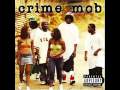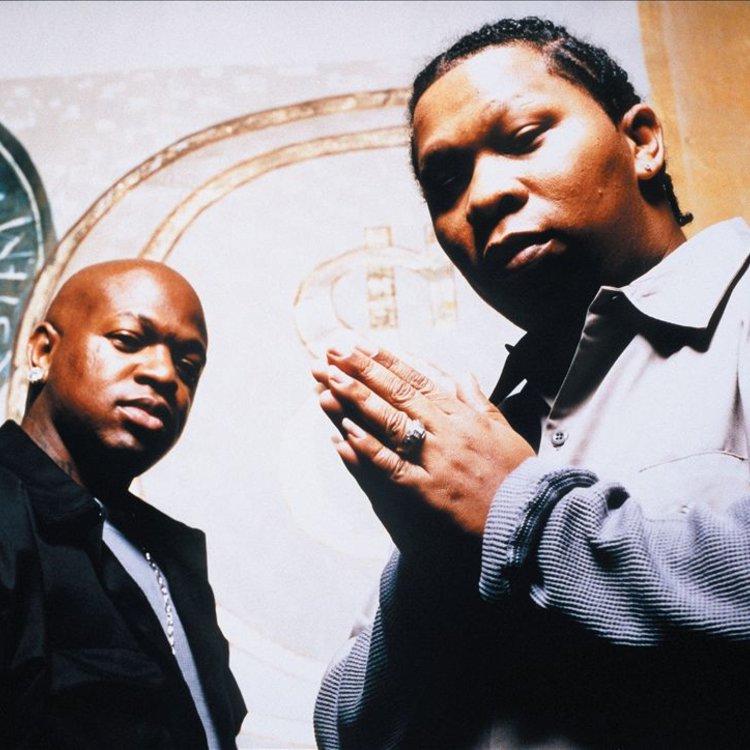
Crime Mob

Hip Hop
Contemporary Hip Hop
Alternative Hip Hop
 Viberate Rank: 18036
 Viberate Rank: 18036
 Monthly ListenersFollowers
 Subscribers
 Followers
 Followers
 FansTop Spotify Songs
| Track | 7-Day Streams | |
|---|---|---|
1 | 481.94K | |
2 | 439.51K | |
3 | 50.01K | |
4 | 48.76K | |
5 | 18.69K |
Top YouTube Videos| Video | 7-Day Views | |
|---|---|---|
1 | 164.49K | |
2 | 63.40K | |
3 | 15.17K | |
4 | 11.48K | |
5 | 3.94K |
Monthly ListenersFeatured in Playlists| Playlist | Followers | |
|---|---|---|
1 |  Down South Classics Spotify | 593.31K |
2 |  2000s Hip-Hop Spotify | 457.94K |
3 |  Jock Jams Spotify | 389.77K |
4 | 2000s R&B & Hip-Hop Playlist RSullivan | 331.27K |
5 |  Hip Hop 2000s Music - Best Hip Hop Hits of the 00s Playlist (Top Hip Hop Songs from 2000 to 2009) Redlist Playlists | 320.93K |
Audience| City | Monthly Listeners | |
|---|---|---|
1 | | 48.06K |
2 | | 43.11K |
3 | | 39.76K |
4 | | 38.88K |
5 | | 30.43K |
See full performance history, audience data, playlist activity, rankings, comparisons, and more in Viberate music analytics. Start with a free trial, then continue with a paid plan.
Crime Mob’s Spotify BioAfter sending their home boy Lil Scrappy up the charts, the Atlanta-based label/management team Crunk Incorporated turned to the six-member Crime Mob for their next big hit. The rowdy party crunk of the group (rappers Diamond, Killa C, Cyco Blac, Princess, Jock aka M.I.G., and Lil Jay) caught on quick, and the single "Knuck If You Buck" found success on urban radio during the summer of 2004. Their self-titled debut hit the shelves in August that year and went to number five on Billboard's R&B/Hip-Hop Albums chart. In late 2006 the group returned with "Rock Yo Hips," a single that went Top 10 R&B/Hip-Hop and crossed into the Top 40 of the Hot 100. It set the stage for their second album, Hated on Mostly, which was released the following year after considerable delay. Its release was complicated by interpersonal upheaval. The group went quiet, but five years later, all members with the exception of Princess performed together in Atlanta. ~ David Jeffries, Rovi
Viberate is a music analytics platform built for A&Rs, artist managers, labels, booking agents, marketers, and artists.
It helps music professionals track artist growth, analyze audience data, monitor playlist activity, compare artists, follow song performance, and identify opportunities across the music market.
Public artist pages provide a free preview of selected artist data. Paid plans provide access to deeper analytics, historical data, charts, comparisons, playlist tools, exports, alerts, reports, and additional professional features.
Yes. Public Viberate artist pages provide selected artist analytics and music data for free.
Viberate also offers a 7-day free trial of the full platform. A credit card is required to start the trial. The trial includes access to the complete product so users can test deeper artist analytics, historical views, playlist insights, comparisons, charts, exports, alerts, and reporting features before choosing a paid plan.
Viberate provides artist analytics across streaming, playlists, social media, video, radio airplay, songs, and audience markets.
Users can analyze Spotify performance, Spotify and Apple Music playlists, YouTube activity, TikTok and Instagram growth, radio spins, song performance, audience locations, demographics, rankings, and overall artist momentum.
Artist profiles also connect to music charts, similar artists, and comparison tools, helping users benchmark performance and evaluate artists in context.
Viberate updates key artist and track data daily.
For followed artists and tracks, selected data is refreshed multiple times per day. This helps teams monitor playlist changes, streaming movement, audience growth, releases, and campaign performance with more current data.
Update frequency can vary depending on the metric and data source.
Yes. Viberate lets users compare up to five artists side by side across streaming, social media, audience, and engagement metrics.
Users can compare fanbase growth, audience demographics, locations, Spotify performance, social metrics, and other artist data over selected time periods.
Artist comparison can be used for A&R scouting, benchmarking, booking decisions, campaign planning, and evaluating artists with similar audiences or market positions.