David Banner

Hip Hop
Contemporary Hip Hop
 Viberate Rank: 7472
 Viberate Rank: 7472
 Monthly ListenersFollowers
 Subscribers
 Followers
 Followers
 FansTop Spotify Songs
| Track | 7-Day Streams | |
|---|---|---|
1 | 420.95K | |
2 | 327.52K | |
3 | 122.65K | |
4 | 47.34K | |
5 | 45.07K |
Top YouTube Videos| Video | 7-Day Views | |
|---|---|---|
1 | 367.74K | |
2 | 144.97K | |
3 | 144.06K | |
4 | 48.76K | |
5 | 32.81K |
Monthly ListenersFeatured in Playlists| Playlist | Followers | |
|---|---|---|
1 |  Down South Classics Spotify | 593.31K |
2 |  2000s Hip-Hop Spotify | 457.94K |
3 | 2000's Booty Shakers djepitaph | 407.95K |
4 |  Bling Era Spotify | 307.88K |
5 |  DIRTY SOUTH 2000's valentin | 281.46K |
Audience| City | Monthly Listeners | |
|---|---|---|
1 | | 42.56K |
2 | | 41.12K |
3 | | 32.14K |
4 | | 27.76K |
5 | | 26.91K |
See full performance history, audience data, playlist activity, rankings, comparisons, and more in Viberate music analytics. Start with a free trial, then continue with a paid plan.
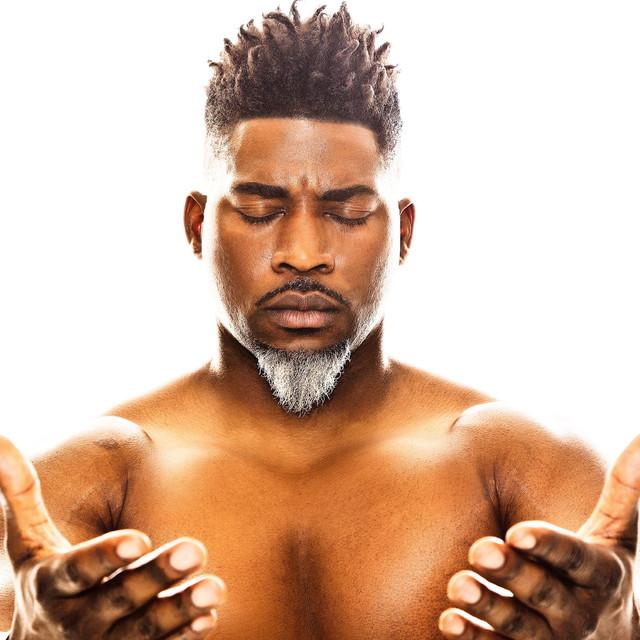
David Banner’s Spotify BioDebuting as one-half of the rap duo Crooked Lettaz, Grammy-winning rapper, producer, and social activist David Banner helped put Mississippi on the hip-hop map in the late '90s. Born Lavell William Crump in Brookhaven, Mississippi, he chose his stage moniker after the name of the Incredible Hulk's human alter ego. With a vocal power to match, Banner went solo in 2000 and released his debut effort, Them Firewater Boyz, Vol. 1. Originally on Penalty Records, he realized quickly that a New York-based record label just didn't know how to handle the south. With the help of his crew, he managed to sell over 10,000 copies of his first album in his hometown alone. He broke out nationally in 2003 with a pair of albums, Mississippi: The Album and MTA2: Baptized in Dirty Water. These releases spawned a varied clutch of hits, like "Crank It Up," "Like a Pimp," and "Cadillac on 22's." Two years later, he released his fourth LP, Certified. The effort featured appearances by Jadakiss, Talib Kweli, De…ad Prez, Too $hort, Bun B, Twista, and Jagged Edge, as well as production by Lil Jon, Jazze Pha, and Kevin Rudolf. Certified debuted in the Billboard Top Ten. In 2008, Banner was joined by Lil Wayne, Snoop Dogg, Akon, Chris Brown, UGK, Chamillionaire, and others on his fifth effort, The Greatest Story Ever Told, his second effort in a row to land at number three on the Billboard R&B/Hip-Hop chart. His next release was a collaborative project with producer 9th Wonder titled Death of a Pop Star, which was promoted by, among other things, a comic that fleshed out the album's socially conscious themes. Pop Star also featured appearances by Ludacris, Marsha Ambrosius, Anthony Hamilton, and Erykah Badu. Over the following years, Banner would expand his résumé by acting in films like Stomp the Yard: Homecoming, Lee Daniels' The Butler, and Ride Along. Although Banner issued a mixtape -- Sex, Drugs & Video Games -- in 2012, he would not release another official album until 2017. The God Box arrived in May of that year and featured another full roster of guests like Cee Lo, Big K.R.I.T., Black Thought, Trinidad James, and more. ~ Brad Mills & Neil Z. Yeung, Rovi
Viberate is a music analytics platform built for A&Rs, artist managers, labels, booking agents, marketers, and artists.
It helps music professionals track artist growth, analyze audience data, monitor playlist activity, compare artists, follow song performance, and identify opportunities across the music market.
Public artist pages provide a free preview of selected artist data. Paid plans provide access to deeper analytics, historical data, charts, comparisons, playlist tools, exports, alerts, reports, and additional professional features.
Yes. Public Viberate artist pages provide selected artist analytics and music data for free.
Viberate also offers a 7-day free trial of the full platform. A credit card is required to start the trial. The trial includes access to the complete product so users can test deeper artist analytics, historical views, playlist insights, comparisons, charts, exports, alerts, and reporting features before choosing a paid plan.
Viberate provides artist analytics across streaming, playlists, social media, video, radio airplay, songs, and audience markets.
Users can analyze Spotify performance, Spotify and Apple Music playlists, YouTube activity, TikTok and Instagram growth, radio spins, song performance, audience locations, demographics, rankings, and overall artist momentum.
Artist profiles also connect to music charts, similar artists, and comparison tools, helping users benchmark performance and evaluate artists in context.
Viberate updates key artist and track data daily.
For followed artists and tracks, selected data is refreshed multiple times per day. This helps teams monitor playlist changes, streaming movement, audience growth, releases, and campaign performance with more current data.
Update frequency can vary depending on the metric and data source.
Yes. Viberate lets users compare up to five artists side by side across streaming, social media, audience, and engagement metrics.
Users can compare fanbase growth, audience demographics, locations, Spotify performance, social metrics, and other artist data over selected time periods.
Artist comparison can be used for A&R scouting, benchmarking, booking decisions, campaign planning, and evaluating artists with similar audiences or market positions.