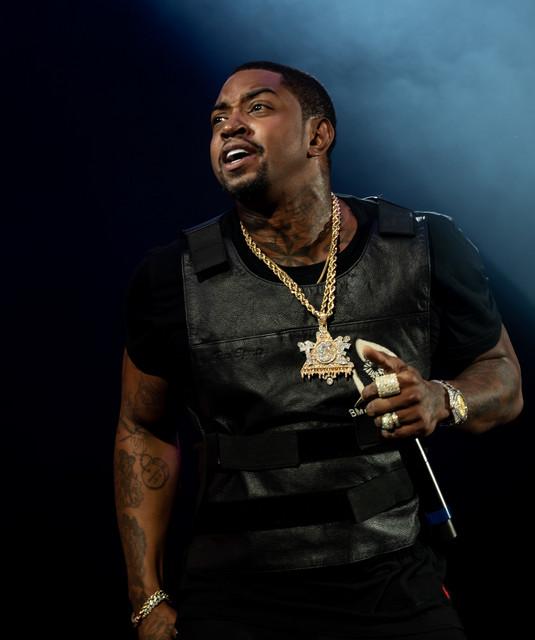
Gorilla Zoe

Hip Hop
Trap
Contemporary Hip Hop
 Viberate Rank: 11378
 Viberate Rank: 11378
 Monthly ListenersFollowers
 Subscribers
 Followers
 Followers
 FansTop Spotify Songs
| Track | 7-Day Streams | |
|---|---|---|
1 | 400.18K | |
2 | 144.15K | |
3 | 105.34K | |
4 | 103.02K | |
5 | 70.88K |
Top YouTube Videos| Video | 7-Day Views | |
|---|---|---|
1 | 85.89K | |
2 | 59.09K | |
3 | 58.47K | |
4 | 43.74K | |
5 | 22.25K |
Monthly ListenersFeatured in Playlists| Playlist | Followers | |
|---|---|---|
1 |  DIRTY SOUTH 2000's valentin | 281.46K |
2 | 2000s Crunk Hits userxya2jfc8hd | 238.90K |
3 | RnB 2000s Christian Perry | 178.65K |
4 | 2000’s Rap Bangers Blake | 92.50K |
5 | 2000s Rap Matt H | 89.92K |
Audience| City | Monthly Listeners | |
|---|---|---|
1 | | 52.20K |
2 | | 41.17K |
3 | | 33.14K |
4 | | 32.27K |
5 | | 30.95K |
See full performance history, audience data, playlist activity, rankings, comparisons, and more in Viberate music analytics. Start with a free trial, then continue with a paid plan.
Gorilla Zoe’s Spotify BioGorilla Zoe, Atlanta's raspy baritone voiced rhymer with the melodic flow and unforgettable hooks, tasted success on "Coffee Shop" with Block ENT/Bad Boy South label-mate Yung Joc. "Hood Figga" is a cult classic, from the album Welcome to the Zoo (2007) which peaked at #18 on Billboard Top 200 Albums Chart, #8 R&B/Hip-Hop Albums and #3 Rap Albums. Joining the legendary Boyz N Da Hood, upon Young Jeezy's departure, Zoe features on Back Up n Da Chevy (2007). The album spawning the singles "Everybody Know Me", "Bite Down" and "We Ready feat Yung Joc" debuted at #2 on BillBoard Rap Albums and #7 on Billboard R&B Albums Chart.
Teaming with superstar Lil Wayne on "Lost" (2008), the single preceded Zoe's second full-length, Don't Feed Da Animals (2009), debuting at #1 on Billboard Rap Albums Chart and peaking at #8 on Billboard Top 200. Singles including "What It Is" feat Rick Ross and Kollosus and"Echo" unleashed a new sound introducing Zoe to a wider audience, as a top writer and "hook-man"… for global artists.
In February 2010 he released 28 mixtapes in 28 days along with the single "Just Like My Chevy" on Datpiff.com. 2011-2021 releases include the album King Kong and a series of mixtapes: Recovery, Raised in the Jungle, Don't Feed da Animals 2, Gorilla Warfare, I Am Atlanta 4Ever, 31 DAYS OF COVID, Summer of The Flying Saucer, VACCINE and Don't Feed The Animals 3. A natural performer, Zoe has been touring with Miami Hip-Hop phenomenon FLO-RIDA for the past few 10 years.
Viberate is a music analytics platform built for A&Rs, artist managers, labels, booking agents, marketers, and artists.
It helps music professionals track artist growth, analyze audience data, monitor playlist activity, compare artists, follow song performance, and identify opportunities across the music market.
Public artist pages provide a free preview of selected artist data. Paid plans provide access to deeper analytics, historical data, charts, comparisons, playlist tools, exports, alerts, reports, and additional professional features.
Yes. Public Viberate artist pages provide selected artist analytics and music data for free.
Viberate also offers a 7-day free trial of the full platform. A credit card is required to start the trial. The trial includes access to the complete product so users can test deeper artist analytics, historical views, playlist insights, comparisons, charts, exports, alerts, and reporting features before choosing a paid plan.
Viberate provides artist analytics across streaming, playlists, social media, video, radio airplay, songs, and audience markets.
Users can analyze Spotify performance, Spotify and Apple Music playlists, YouTube activity, TikTok and Instagram growth, radio spins, song performance, audience locations, demographics, rankings, and overall artist momentum.
Artist profiles also connect to music charts, similar artists, and comparison tools, helping users benchmark performance and evaluate artists in context.
Viberate updates key artist and track data daily.
For followed artists and tracks, selected data is refreshed multiple times per day. This helps teams monitor playlist changes, streaming movement, audience growth, releases, and campaign performance with more current data.
Update frequency can vary depending on the metric and data source.
Yes. Viberate lets users compare up to five artists side by side across streaming, social media, audience, and engagement metrics.
Users can compare fanbase growth, audience demographics, locations, Spotify performance, social metrics, and other artist data over selected time periods.
Artist comparison can be used for A&R scouting, benchmarking, booking decisions, campaign planning, and evaluating artists with similar audiences or market positions.