Shawty Lo

Hip Hop
Trap
Contemporary Hip Hop
 Viberate Rank: 29740
 Viberate Rank: 29740
 Monthly ListenersFollowers
 Subscribers
 Followers
 Followers
 FansTop Spotify Songs
| Track | 7-Day Streams | |
|---|---|---|
1 | 107.23K | |
2 | 103.13K | |
3 | 18.12K | |
4 | 12.85K | |
5 | 11.77K |
Top YouTube VideosMonthly ListenersFeatured in Playlists| Playlist | Followers | |
|---|---|---|
1 |  B4SS B.071w | 154.63K |
2 | 2000s Rap Matt H | 89.92K |
3 |  Nicki Minaj - All Songs Mishgov | 54.83K |
4 |  Bass Heavy Songs Walker O'Brien | 43.19K |
5 |  slettendisco Lara van Dorresteijn | 39.32K |
Audience| City | Monthly Listeners | |
|---|---|---|
1 | | 12.74K |
2 | | 8.04K |
3 | | 7.59K |
4 | | 7.44K |
5 | | 6.82K |
See full performance history, audience data, playlist activity, rankings, comparisons, and more in Viberate music analytics. Start with a free trial, then continue with a paid plan.
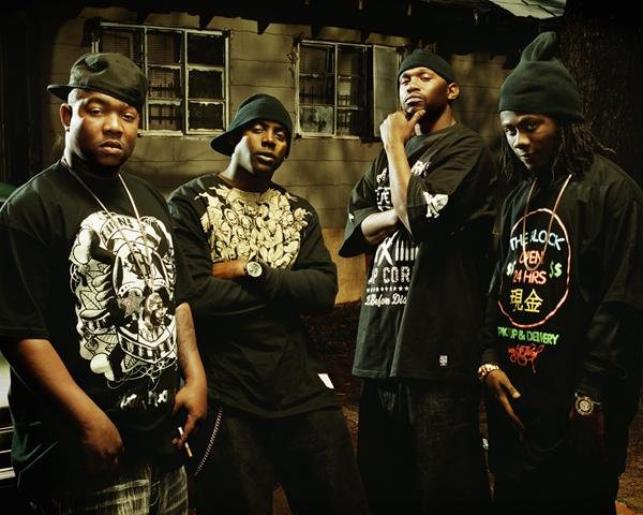
Shawty Lo’s Spotify BioAtlanta born-and-bred trap rapper Shawty Lo (born Carlos Walker) did not reach national prominence with his street-hustling raps, but by ushering in the "snap dance" craze with the Billboard-topping "Laffy Taffy" as part of his four-man crew, D4L, in 2005. He co-founded both the group and, acting as CEO, the D4L Records label two years earlier with the intention of only working behind the scenes and never really contributing many verses to the group. D4L's debut single, "Betcha Can't Do It Like Me," was a big local hit in Georgia in 2004 and hinted at the group's potential crossover success. Before Shawty Lo saw any of that success, he was convicted on drug charges and had to serve a one-year prison sentence. By the time he was let out in July 2005, the "Laffy Taffy" song, which would later reach number one on the pop charts and break several digital and ringtone sales records, had blown up. Moreover, D4L and their independent label earned a distribution deal with Atlantic via Asylum… Records, which issued their Down for Life (2005) album debut nationwide. Gaining more confidence about his own rapping abilities, Shawty Lo took his solo feature on the Down for Life album, "I'm da Man," and released it locally as an independent single in 2006. After a pair of solo mixtapes with Atlanta's DJ Scream, Shawty Lo obtained his own record deal with Asylum in summer 2007 and delivered his debut album, Units in the City, the following year. The LP was preceded by the hip-hop/R&B chart-climbing single "Dey Know." In the years that followed, he stayed busy with no less than ten mixtape releases and preparations for his official LP follow-up, which was titled Still Got Units. On September 21, 2016, Shawty Lo was killed in a hit-and-run accident outside an Atlanta club at the age of 40. ~ Cyril Cordor, Rovi
Viberate is a music analytics platform built for A&Rs, artist managers, labels, booking agents, marketers, and artists.
It helps music professionals track artist growth, analyze audience data, monitor playlist activity, compare artists, follow song performance, and identify opportunities across the music market.
Public artist pages provide a free preview of selected artist data. Paid plans provide access to deeper analytics, historical data, charts, comparisons, playlist tools, exports, alerts, reports, and additional professional features.
Yes. Public Viberate artist pages provide selected artist analytics and music data for free.
Viberate also offers a 7-day free trial of the full platform. A credit card is required to start the trial. The trial includes access to the complete product so users can test deeper artist analytics, historical views, playlist insights, comparisons, charts, exports, alerts, and reporting features before choosing a paid plan.
Viberate provides artist analytics across streaming, playlists, social media, video, radio airplay, songs, and audience markets.
Users can analyze Spotify performance, Spotify and Apple Music playlists, YouTube activity, TikTok and Instagram growth, radio spins, song performance, audience locations, demographics, rankings, and overall artist momentum.
Artist profiles also connect to music charts, similar artists, and comparison tools, helping users benchmark performance and evaluate artists in context.
Viberate updates key artist and track data daily.
For followed artists and tracks, selected data is refreshed multiple times per day. This helps teams monitor playlist changes, streaming movement, audience growth, releases, and campaign performance with more current data.
Update frequency can vary depending on the metric and data source.
Yes. Viberate lets users compare up to five artists side by side across streaming, social media, audience, and engagement metrics.
Users can compare fanbase growth, audience demographics, locations, Spotify performance, social metrics, and other artist data over selected time periods.
Artist comparison can be used for A&R scouting, benchmarking, booking decisions, campaign planning, and evaluating artists with similar audiences or market positions.