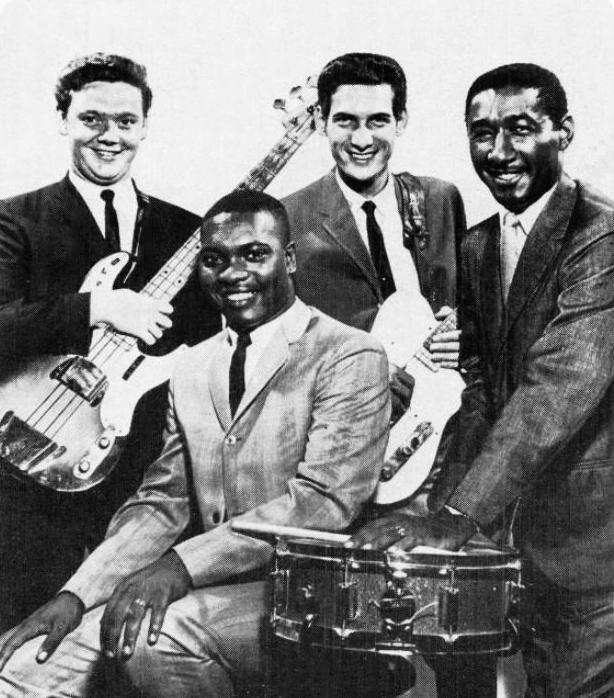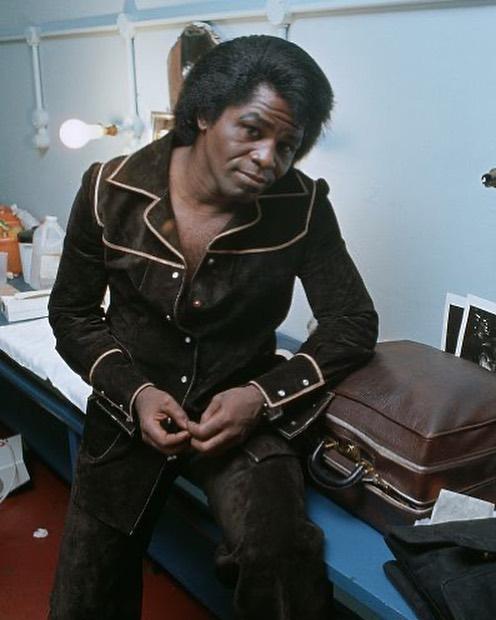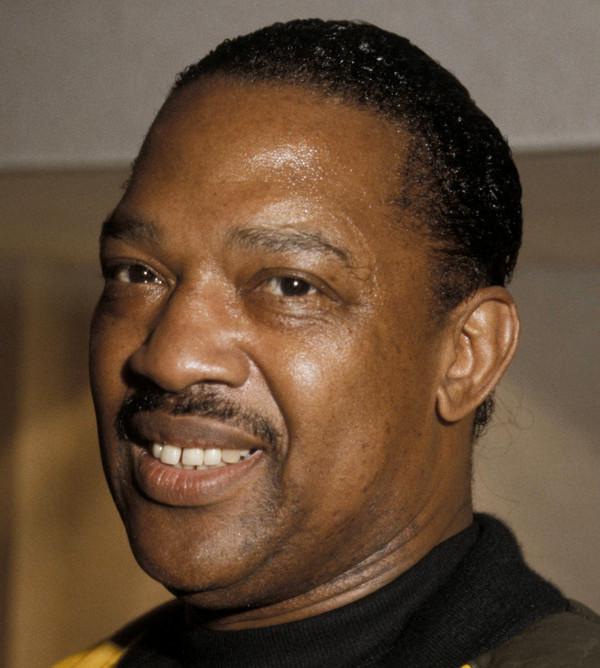
Sam & Dave

R&B
Soul
 Viberate Rank: 18362
 Viberate Rank: 18362
 Monthly ListenersFollowers
 Subscribers
 Followers
 Followers
 FansTop Spotify Songs
| Track | 7-Day Streams | |
|---|---|---|
1 | 829.18K | |
2 | 374.54K | |
3 | 76.72K | |
4 | 36.59K | |
5 | 36.59K |
Top YouTube VideosMonthly ListenersFeatured in Playlists| Playlist | Followers | |
|---|---|---|
1 |  Have a Great Day! Spotify | 5.23M |
2 |  Feelin' Good Spotify | 3.58M |
3 |  All Out 60s Spotify | 3.19M |
4 |  Funk & Soul Classics Spotify | 1.91M |
5 |  Classic Oldies Spotify | 1.46M |
Audience| City | Monthly Listeners | |
|---|---|---|
1 |  | 43.33K |
2 |  | 35.34K |
3 | | 32.84K |
4 | | 25.77K |
5 | | 23.76K |
See full performance history, audience data, playlist activity, rankings, comparisons, and more in Viberate music analytics. Start with a free trial, then continue with a paid plan.
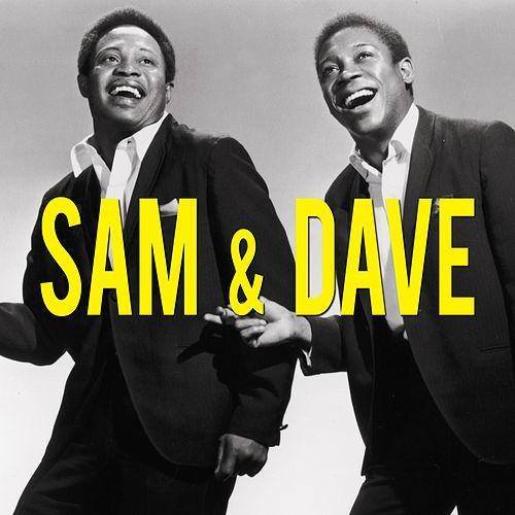
Sam & Dave’s Spotify BioPerhaps no act epitomized soul music as the secularization of gospel more than Sam & Dave. The original pairing of Sam Moore and Dave Prater met in Florida in 1961, and they recorded unsuccessfully for several years before being signed to Atlantic Records in 1965. Atlantic persuaded their Memphis affiliate Stax Records to produce them, and in December that year the writing and production team of Isaac Hayes and David Porter delivered the crisply soulful "You Don't Know Like I Know." Hayes and Porter became the éminence grises behind Sam & Dave, much as Holland-Dozier-Holland pulled the strings behind the Supremes. They wrote, they produced -- and the result was a string of hits, including "Soul Man," "Hold On! I'm Comin'," and "I Thank You," songs that survive as the very epitome of Southern soul. Certainly, Sam & Dave's hits are among the most soulful ever to crack the Hot 100. Their albums often bore the hallmarks of hasty execution, though. The dissolution of the partnership between… Stax and Atlantic virtually sealed the fate of Sam & Dave; there were a few more hits (and, later, a revival of interest thanks to the Blues Brothers), but the glory days were over.
Samuel Moore and David Prater were both raised in the South, where they sang in church as children. During the '50s, they performed in soul and R&B clubs before meeting each other in at the King of Hearts club in Miami in 1961. Moore was hosting an amateur-night contest where Prater was singing. Once Dave forgot the lyrics to Jackie Wilson's "Doggin' Around," Sam coached him through the song. Following that night, the singers became a duo and soon became a popular local Miami act and signed with Roulette Records, releasing a handful of singles. In 1965, they signed with Atlantic Records, but producer Jerry Wexler moved the band to the label's Stax subsidiary.
Working with Stax's house band and songwriters/producers Isaac Hayes and David Porter, Sam & Dave created a body of sweaty, gritty soul that ranks among the finest and most popular produced in the late '60s. The duo's 1966 debut, "You Don't' Know Like I Know," kicked off a series of Top Ten R&B hits that included "Hold On! I'm Comin'" (1966), "You Got Me Hummin'" (1966), "When Something Is Wrong With My Baby" (1967), "Soul Man" (1967), and "I Thank You" (1968). However, the duo's career began to unravel in 1968, when Stax's distribution deal with Atlantic ended. Since Sam & Dave were signed with Atlantic, not Stax, they no longer had access to the production team of Hayes and Porter or the house band of Booker T. & the MG's, and their recorded work took a slight dip in quality. Though the switch of labels was unfortunate, what really caused the duo's demise was their volatile relationship. While the duo had enormous creative energy, they frequently fought off-stage. Nicknamed "Double Dynamite," Sam & Dave became famous for their energetic, infectious live performances during the late '60s, which complemented the overall high quality of their studio work. They may have communicated on-stage, but behind the scenes, it was reported that the duo could hardly stand each other's presence. The tension caused Sam & Dave to part ways in 1970, just a few years after their heyday.
During the '70s, Sam & Dave reunited several times to little attention. At the end of the decade, John Belushi and Dan Aykroyd's Blues Brothers routine -- which borrowed heavily from Sam & Dave -- sparked a resurgence of interest in the duo, and the pair performed a number of concerts during 1980. However, their personal animosity had not faded, and they separated after a performance on New Year's Eve 1981. For the next few years, Prater toured as Sam & Dave with vocalist Sam Daniels. During the mid-'80s, Moore revealed the sources of the duo's tensions in a series of interviews. He disclosed that he had been addicted to drugs during the '70s. Prater was arrested in 1987 for selling crack to an undercover policeman. A year later, he died in a car accident. Sam & Dave were inducted into the Rock & Roll Hall of Fame in 1992. Moore continued to perform sporadically, most notably on Bruce Springsteen's 1992 album Human Touch album, and he issued a solo album in 2006, Overnight Sensational. Sam Moore died on January 10, 2025 while recovering from surgery; he was 89 years of age. ~ Colin Escott & Stephen Thomas Erlewine, Rovi
Viberate is a music analytics platform built for A&Rs, artist managers, labels, booking agents, marketers, and artists.
It helps music professionals track artist growth, analyze audience data, monitor playlist activity, compare artists, follow song performance, and identify opportunities across the music market.
Public artist pages provide a free preview of selected artist data. Paid plans provide access to deeper analytics, historical data, charts, comparisons, playlist tools, exports, alerts, reports, and additional professional features.
Yes. Public Viberate artist pages provide selected artist analytics and music data for free.
Viberate also offers a 7-day free trial of the full platform. A credit card is required to start the trial. The trial includes access to the complete product so users can test deeper artist analytics, historical views, playlist insights, comparisons, charts, exports, alerts, and reporting features before choosing a paid plan.
Viberate provides artist analytics across streaming, playlists, social media, video, radio airplay, songs, and audience markets.
Users can analyze Spotify performance, Spotify and Apple Music playlists, YouTube activity, TikTok and Instagram growth, radio spins, song performance, audience locations, demographics, rankings, and overall artist momentum.
Artist profiles also connect to music charts, similar artists, and comparison tools, helping users benchmark performance and evaluate artists in context.
Viberate updates key artist and track data daily.
For followed artists and tracks, selected data is refreshed multiple times per day. This helps teams monitor playlist changes, streaming movement, audience growth, releases, and campaign performance with more current data.
Update frequency can vary depending on the metric and data source.
Yes. Viberate lets users compare up to five artists side by side across streaming, social media, audience, and engagement metrics.
Users can compare fanbase growth, audience demographics, locations, Spotify performance, social metrics, and other artist data over selected time periods.
Artist comparison can be used for A&R scouting, benchmarking, booking decisions, campaign planning, and evaluating artists with similar audiences or market positions.