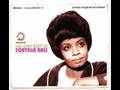
Fontella Bass

R&B
Soul
Contemporary R&B
Funk
 Viberate Rank: 58561
 Viberate Rank: 58561
 Monthly ListenersFollowers
 Subscribers
 Followers
 Followers
 FansTop Spotify Songs
| Track | 7-Day Streams | |
|---|---|---|
1 | 218.08K | |
2 | 15.07K | |
3 | 6.26K | |
4 | 5.87K | |
5 | 5.52K |
Top YouTube VideosMonthly ListenersFeatured in Playlists| Playlist | Followers | |
|---|---|---|
1 |  Uplifting Soul Classics Spotify | 1.35M |
2 |  Oldies Best songs 80s, 70s, 60s / Throwbacks HITS / 💿 indiemono | 446.39K |
3 |  Easy 60s Spotify | 366.21K |
4 |  60s Party Spotify | 344.33K |
5 |  1960s Hits 💥 Classics Filtr Sweden | 317.57K |
Audience| City | Monthly Listeners | |
|---|---|---|
1 |  | 16.16K |
2 |  | 7.86K |
3 | | 7.71K |
4 | | 6.54K |
5 | | 5.51K |
See full performance history, audience data, playlist activity, rankings, comparisons, and more in Viberate music analytics. Start with a free trial, then continue with a paid plan.
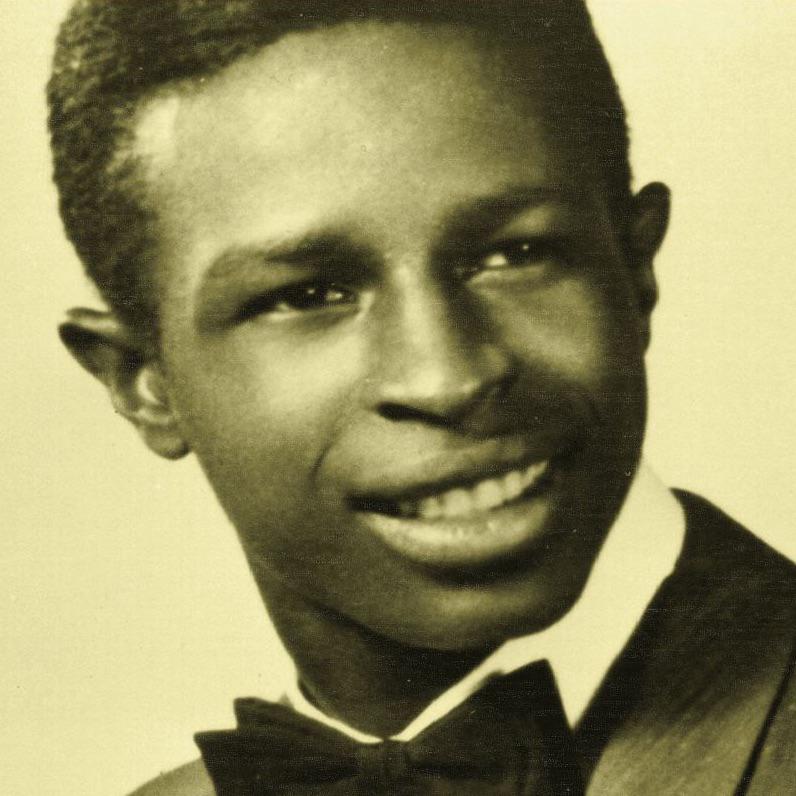
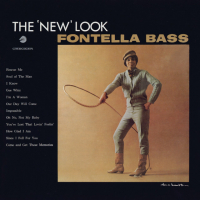
Fontella Bass’ Spotify BioThe 1965 classic "Rescue Me" is widely regarded as the greatest record Aretha Franklin never made. The song in question was instead cut by singer Fontella Bass, who like Franklin channeled the power and passion of her gospel roots to create some of the finest music of soul's golden age. Born in St. Louis, Missouri, on July 3, 1940, Bass was the daughter of gospel vocalist Martha Bass, a longtime member of the renowned Clara Ward Singers. Her grandmother Navada Carter was also a professional gospel performer, and it was inevitable that Fontella follow suit, making her church choir debut at age five. Nevertheless, during the mid-'50s she rebelled against tradition, sneaking out of the house to sing secular R&B at local fairs and nightclubs. By 16, Bass was the house pianist at the St. Louis nightspot the Showbar, and in 1961 she joined local blues great Little Milton Campbell, later marrying the band's trumpeter, fledgling jazz titan Lester Bowie. Bass first earned notice for her vocal… on Little Milton's 1962 hit "So Mean to Me," soon followed by her Bobbin label solo debut, "I Don't Hurt Anymore." But when Campbell and his pianist Oliver Sain parted ways, Bass exited along with Sain, who named her lead vocalist of his Oliver Sain Soul Revue. Her second single, the Ike Turner-produced "I Love the Man," followed on Turner's Prann label in 1963. Bass then cut "Poor Little Fool," a duet with Tina Turner issued on the Vesuvius imprint. And when she wasn't performing with Sain and his group, she moonlighted as a solo act, playing gigs across East St. Louis under the alias "Sabrina."
After the 1964 release of the Oliver Sain Soul Revue's debut effort, "Heavy Sugar," the pianist escorted Bass and singer Bobby McClure to Chicago, where he produced their duet, "Don't Mess Up a Good Thing," for Chess Records' Checker imprint. The single proved a Top Ten hit, and even after Bass left the group to mount a solo career, Sain remained a close collaborator. She relocated to Chicago in 1965 and late that same year scored the biggest hit of her career with her solo debut, "Rescue Me." A buoyant dance classic made memorable by Bass' impassioned, gritty vocal as well as the percolating bass of Chess session mainstay Louis Satterfield and Gene Barge's dynamic horn arrangement, the single topped the R&B charts for a month and crossed over to the pop Top Five. One of the biggest-selling records in Chess' storied history, "Rescue Me" remains an unqualified classic of the era and is a staple of oldies radio to this day, although many listeners now mistake the record as the work of Aretha Franklin, who ironically enough did not even enter the popular consciousness until two years later. Worse, Bass never received proper credit or financial remuneration for co-writing the song, and her subsequent battles with Chess execs earned her a reputation as a malcontent. The "Rescue Me" sound-alike "Recovery" followed in early 1966, reaching the R&B Top 20, but Bass' run as a hitmaker proved frustratingly short, and after scoring a minor hit late that same year with "Sweet Lovin' Daddy," she never returned to the U.S. charts again.
With her career mired in neutral, Bass exited Checker in 1969 and with husband Bowie -- now a renowned avant-garde player best known for his work with the Art Ensemble of Chicago -- relocated to Paris. There she collaborated with the group on an LP, the acclaimed The Art Ensemble of Chicago with Fontella Bass, but otherwise focused on raising a family until returning to St. Louis in 1971, renewing ties with Oliver Sain and signing to the Shreveport, Louisiana-based Paula label. The superb single "Who You Gonna Blame" anticipated the 1972 release of the Sain-produced Free, a remarkably soulful set that is by far the most memorable LP of Bass' career. Attention from radio and retail was negligible, however, and after subsequent singles including "Now That I've Found a Good Thing" and "It's Hard to Get Back In" flopped, she exited Paula in 1974, not resurfacing until three years later with the Epic single "Soon as I Touched Him." Apart from occasional guest appearances with the Art Ensemble of Chicago, she spent the remainder of the 1970s and most of the 1980s as a homemaker, confining her musical pursuits to her Baptist church choir, but in 1990 she teamed with her mother and brother David Peaston for a gospel LP, Promises: A Family Portrait of Faith. Bass continued her return to spiritual music with the 1995 Nonesuch release No Ways Tired, touring Europe regularly in the years leading up to the 2001 appearance of her follow-up outing, Travellin', a collaboration with the Voices of St. Louis gospel choir issued on the Canadian indie Justin Time. In subsequent years Bass suffered a series of strokes, followed by a heart attack in early December 2012 -- she died in a St. Louis hospice on December 26, 2012 at the age of 72. ~ Jason Ankeny, Rovi
Viberate is a music analytics platform built for A&Rs, artist managers, labels, booking agents, marketers, and artists.
It helps music professionals track artist growth, analyze audience data, monitor playlist activity, compare artists, follow song performance, and identify opportunities across the music market.
Public artist pages provide a free preview of selected artist data. Paid plans provide access to deeper analytics, historical data, charts, comparisons, playlist tools, exports, alerts, reports, and additional professional features.
Yes. Public Viberate artist pages provide selected artist analytics and music data for free.
Viberate also offers a 7-day free trial of the full platform. A credit card is required to start the trial. The trial includes access to the complete product so users can test deeper artist analytics, historical views, playlist insights, comparisons, charts, exports, alerts, and reporting features before choosing a paid plan.
Viberate provides artist analytics across streaming, playlists, social media, video, radio airplay, songs, and audience markets.
Users can analyze Spotify performance, Spotify and Apple Music playlists, YouTube activity, TikTok and Instagram growth, radio spins, song performance, audience locations, demographics, rankings, and overall artist momentum.
Artist profiles also connect to music charts, similar artists, and comparison tools, helping users benchmark performance and evaluate artists in context.
Viberate updates key artist and track data daily.
For followed artists and tracks, selected data is refreshed multiple times per day. This helps teams monitor playlist changes, streaming movement, audience growth, releases, and campaign performance with more current data.
Update frequency can vary depending on the metric and data source.
Yes. Viberate lets users compare up to five artists side by side across streaming, social media, audience, and engagement metrics.
Users can compare fanbase growth, audience demographics, locations, Spotify performance, social metrics, and other artist data over selected time periods.
Artist comparison can be used for A&R scouting, benchmarking, booking decisions, campaign planning, and evaluating artists with similar audiences or market positions.