Jackie Wilson

R&B
Soul
Pop Rock
 Viberate Rank: 17366
 Viberate Rank: 17366
 Monthly ListenersFollowers
 Subscribers
 Followers
 Followers
 FansTop Spotify Songs
| Track | 7-Day Streams | |
|---|---|---|
1 | 420.76K | |
2 | 368.64K | |
3 | 101.75K | |
4 | 89.26K | |
5 | 80.08K |
Top YouTube VideosMonthly ListenersFeatured in Playlists| Playlist | Followers | |
|---|---|---|
1 |  Feelin' Good Spotify | 3.58M |
2 |  All Out 60s Spotify | 3.19M |
3 |  Stranger Things Official Playlist Spotify | 3.19M |
4 |  Funk & Soul Classics Spotify | 1.91M |
5 |  All Out 50s Spotify | 1.89M |
Audience| City | Monthly Listeners | |
|---|---|---|
1 |  | 40.57K |
2 | | 18.69K |
3 |  | 18.12K |
4 | | 17.42K |
5 | | 13.34K |
See full performance history, audience data, playlist activity, rankings, comparisons, and more in Viberate music analytics. Start with a free trial, then continue with a paid plan.
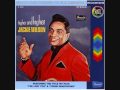
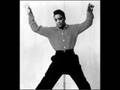
Jackie Wilson’s Spotify BioWithin the pop music of the 1960s, Jackie Wilson was one of the most important agents of the transition from R&B into soul. In terms of vocal power (especially in the upper register), few could outdo him, and he was an electrifying on-stage showman. Although never a crossover superstar on par with the likes of Ray Charles, James Brown, or Sam Cooke, he was a consistent hitmaker from the mid-'50s through the early '70s.
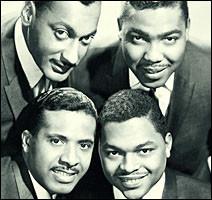
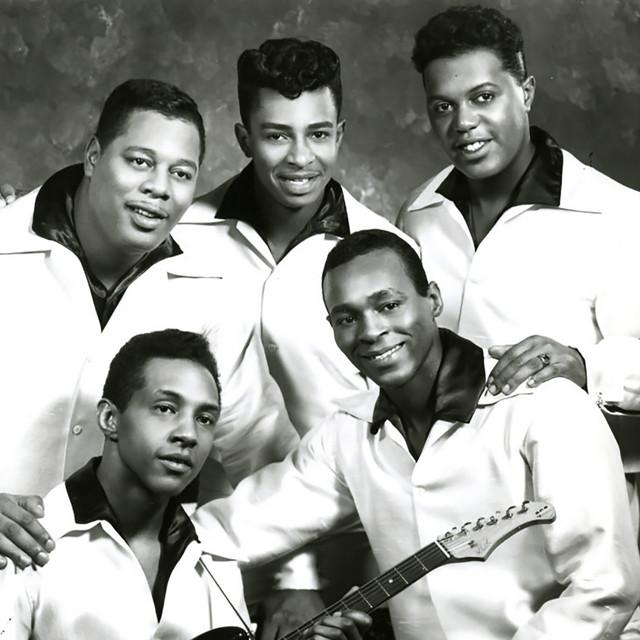
Wilson was well-known on the R&B scene before he went solo in the late '50s. In 1953, he replaced Clyde McPhatter in Billy Ward & the Dominoes, one of the top R&B vocal groups of the time. Commercially, things took a downturn for the Dominoes in the Wilson years, although they did manage a Top 20 hit with "St. Therese of the Roses" in 1956. Elvis Presley was one of those who was mightily impressed by Wilson; he can be heard praising Jackie's on-stage cover of "Don't Be Cruel" in between-song banter during the Million Dollar Quartet session in late 1956.
Wilson would score… his first big R&B (and small pop) hit in late 1956 with the brassy, stuttering "Reet Petite," which was co-written by an emerging Detroit songwriter named Berry Gordy, Jr. Gordy would also help write a few other hits for Wilson in the late '50s: "To Be Loved," "Lonely Teardrops," "That's Why (I Love You So)," and "I'll Be Satisfied" also crossed over to the pop charts, with "Lonely Teardrops" making the Top Ten. Most of these were upbeat, creatively arranged marriages of pop and R&B that helped set the stage both for '60s soul and for Gordy's own huge pop success at Motown. The early Gordy-Wilson association has led some historians to speculate how much differently (and better) Wilson's career might have turned out had he been on Motown's roster instead of the Brunswick label.
Throughout early '60s, Wilson maintained his stardom with regular hit singles that often used horn arrangements and female choruses. He also sometimes went into out-and-out operatic pop, as on "Danny Boy" and one of his biggest hits, 1960's "Night." (Wilson was shot and seriously wounded by a female fan in 1961, though he recovered.) At the same time, he remained capable of unleashing an uptempo, gospel-soaked number: "Baby Workout," which fit that description to a T, was a number five hit for him in 1963.
His output and chart success over the next two years was more uneven, although he had a minor hit with 1965's "No Pity (In the Naked City)," which was something like West Side Story done uptown soul style. In 1966, his career was briefly revived when he teamed up with Chicago soul producer Carl Davis, who had been instrumental in the success of Windy City performers like Gene Chandler, Major Lance, and Jerry Butler. Davis successfully updated Wilson's sound with horn-heavy arrangements, helping him get close to the Top Ten with "Whispers," and then to number six in 1967 with "Higher and Higher." Wilson was nearing the end of his career, although he had some minor pop chart entries in the early '70s, including 1970's "This Love Is Real," which landed in the R&B Top Ten.
While playing a Dick Clark oldies show at the Latin Casino in New Jersey in September 1975, Wilson suffered a heart attack on-stage while singing "Lonely Teardrops." He lapsed into a coma, suffering major brain damage, and was hospitalized until his death in early 1984. ~ Richie Unterberger, Rovi
Viberate is a music analytics platform built for A&Rs, artist managers, labels, booking agents, marketers, and artists.
It helps music professionals track artist growth, analyze audience data, monitor playlist activity, compare artists, follow song performance, and identify opportunities across the music market.
Public artist pages provide a free preview of selected artist data. Paid plans provide access to deeper analytics, historical data, charts, comparisons, playlist tools, exports, alerts, reports, and additional professional features.
Yes. Public Viberate artist pages provide selected artist analytics and music data for free.
Viberate also offers a 7-day free trial of the full platform. A credit card is required to start the trial. The trial includes access to the complete product so users can test deeper artist analytics, historical views, playlist insights, comparisons, charts, exports, alerts, and reporting features before choosing a paid plan.
Viberate provides artist analytics across streaming, playlists, social media, video, radio airplay, songs, and audience markets.
Users can analyze Spotify performance, Spotify and Apple Music playlists, YouTube activity, TikTok and Instagram growth, radio spins, song performance, audience locations, demographics, rankings, and overall artist momentum.
Artist profiles also connect to music charts, similar artists, and comparison tools, helping users benchmark performance and evaluate artists in context.
Viberate updates key artist and track data daily.
For followed artists and tracks, selected data is refreshed multiple times per day. This helps teams monitor playlist changes, streaming movement, audience growth, releases, and campaign performance with more current data.
Update frequency can vary depending on the metric and data source.
Yes. Viberate lets users compare up to five artists side by side across streaming, social media, audience, and engagement metrics.
Users can compare fanbase growth, audience demographics, locations, Spotify performance, social metrics, and other artist data over selected time periods.
Artist comparison can be used for A&R scouting, benchmarking, booking decisions, campaign planning, and evaluating artists with similar audiences or market positions.