Wheat

Rock
Indie Rock
Alternative Rock
 Viberate Rank: 285080
 Viberate Rank: 285080
 Monthly ListenersFollowers
 Subscribers
 Followers
 Followers
 FansTop Spotify Songs
| Track | 7-Day Streams | |
|---|---|---|
1 | 2.83K | |
2 | 542 | |
3 | 331 | |
4 | 216 | |
5 | 159 |
Top YouTube Videos| Video | 7-Day Views | |
|---|---|---|
1 | 138 | |
2 | 104 | |
3 | 6 | |
4 | 5 | |
5 | 4 |
Monthly ListenersFeatured in Playlists| Playlist | Followers | |
|---|---|---|
1 | OTH Playlist Emilee Brandt | 16.94K |
2 | Elizabethtown Soundtrack Shaylin Patterson | 16.08K |
3 |  Taylor Swift's iPod When She Was 18 Brian Mansfield | 12.97K |
4 |  Elizabethtown | Soundtrack Wendell Soares | 8.42K |
5 |  Duyster (all tracks ever played) Wike | 8.15K |
Audience| City | Monthly Listeners | |
|---|---|---|
1 |  | 183 |
2 | | 173 |
3 | | 162 |
4 | | 144 |
5 |  | 116 |
See full performance history, audience data, playlist activity, rankings, comparisons, and more in Viberate music analytics. Start with a free trial, then continue with a paid plan.
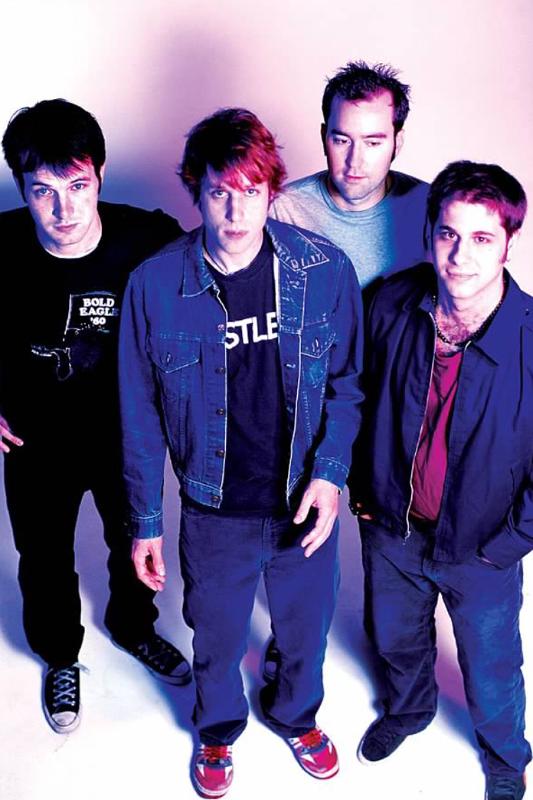
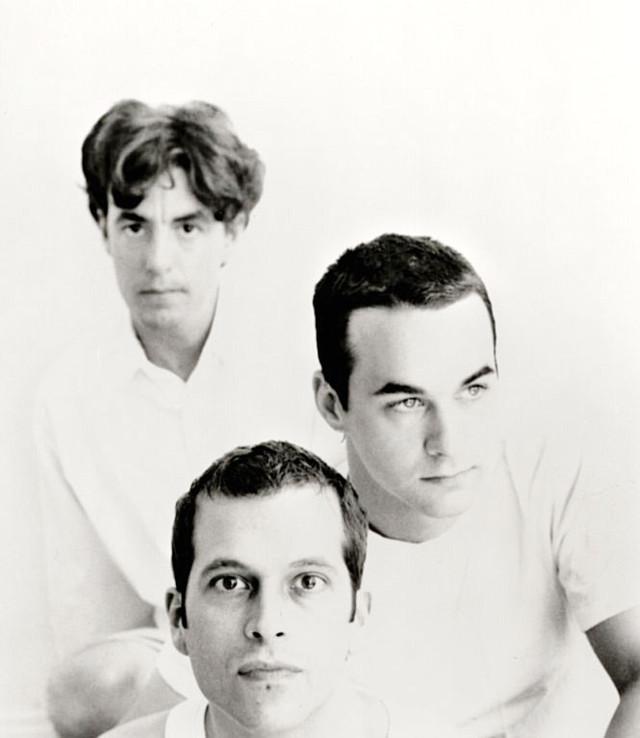
Wheat’s Spotify BioA decidedly low-key band from the Boston suburbs, Wheat boasted a dreamy, autumnal sound that owed a good deal to British shoegazing bands of the late-'90s. Formed in 1996 in Taunton, Massachusetts, the band turned away from traditional marketing tactics, instead exercising their creative whims during live performances. A fan sent one of Wheat's tapes to Sugar Free Records, a Chicago-based label that signed the band immediately. Core members Scott Levesque, Brendan Harney, and Ricky Brennan helped shape Wheat's sound across their first two albums, aided by Mike Flood, Kevin Camara, Ricky Brennan, and Kenny Madaras.
The group's debut, Medeiros, was issued in 1998 and won critical praise for its ambient textures and far-ranging sound explorations. Flaming Lips producer Dave Fridmann helmed the band's follow-up, 1999's Hope and Adams, which pulled together far-reaching influences from alternative rock, slowcore, and Brit-pop. Hope and Adams proved to be even more ambitious than its… predecessor; it also continued the band's anti-promotion stance, as neither the musicians' names nor their pictures could be found in the liner notes. After leaving the roster of Sugar Free Records and spending several years without a label, Wheat signed with Aware Records, securing distribution from Columbia in the process.
Having aligned themselves with a major label, Wheat issued Per Second, Per Second, Per Second... Every Second in 2003. Tours alongside established acts like Liz Phair and Toad the Wet Sprocket helped build their fanbase, as did their contributions to movie soundtracks such as Elizabethtown and A Cinderella Story. Nevertheless, Aware Records terminated Wheat's contract in 2004, and Brennan left to pursue alternate projects. Now reduced to a duo, the band issued Everyday I Said a Prayer for Kathy and Made a One Inch Square in 2007 and White Ink, Black Ink in 2009. ~ Stacia Proefrock, Rovi
Viberate is a music analytics platform built for A&Rs, artist managers, labels, booking agents, marketers, and artists.
It helps music professionals track artist growth, analyze audience data, monitor playlist activity, compare artists, follow song performance, and identify opportunities across the music market.
Public artist pages provide a free preview of selected artist data. Paid plans provide access to deeper analytics, historical data, charts, comparisons, playlist tools, exports, alerts, reports, and additional professional features.
Yes. Public Viberate artist pages provide selected artist analytics and music data for free.
Viberate also offers a 7-day free trial of the full platform. A credit card is required to start the trial. The trial includes access to the complete product so users can test deeper artist analytics, historical views, playlist insights, comparisons, charts, exports, alerts, and reporting features before choosing a paid plan.
Viberate provides artist analytics across streaming, playlists, social media, video, radio airplay, songs, and audience markets.
Users can analyze Spotify performance, Spotify and Apple Music playlists, YouTube activity, TikTok and Instagram growth, radio spins, song performance, audience locations, demographics, rankings, and overall artist momentum.
Artist profiles also connect to music charts, similar artists, and comparison tools, helping users benchmark performance and evaluate artists in context.
Viberate updates key artist and track data daily.
For followed artists and tracks, selected data is refreshed multiple times per day. This helps teams monitor playlist changes, streaming movement, audience growth, releases, and campaign performance with more current data.
Update frequency can vary depending on the metric and data source.
Yes. Viberate lets users compare up to five artists side by side across streaming, social media, audience, and engagement metrics.
Users can compare fanbase growth, audience demographics, locations, Spotify performance, social metrics, and other artist data over selected time periods.
Artist comparison can be used for A&R scouting, benchmarking, booking decisions, campaign planning, and evaluating artists with similar audiences or market positions.