Longwave

Pop
Indie Pop
Shoegaze
 Viberate Rank: 221102
 Viberate Rank: 221102
 Monthly ListenersFollowers
 Subscribers
 Followers
 Followers
 FansTop Spotify Songs
| Track | 7-Day Streams | |
|---|---|---|
1 | 1.13K | |
2 | 796 | |
3 | 427 | |
4 | 191 | |
5 | 178 |
Top YouTube VideosMonthly ListenersFeatured in Playlists| Playlist | Followers | |
|---|---|---|
1 |  GARAGE ROCK 2023 🤘🎸💕 Guillermo Prudenciano Martín | 26.62K |
2 | shoedream mmastodonn | 23.43K |
3 |  The Indie-Rock Flavor. ORBIT | 13.74K |
4 |  The Most Played Albums In KEXP's History KEXP | 4.91K |
5 |  one day i am gonna grow wings lexisbrm | 4.25K |
Audience| City | Monthly Listeners | |
|---|---|---|
1 | | 131 |
2 | | 121 |
3 | | 113 |
4 | | 85 |
5 |  | 85 |
See full performance history, audience data, playlist activity, rankings, comparisons, and more in Viberate music analytics. Start with a free trial, then continue with a paid plan.
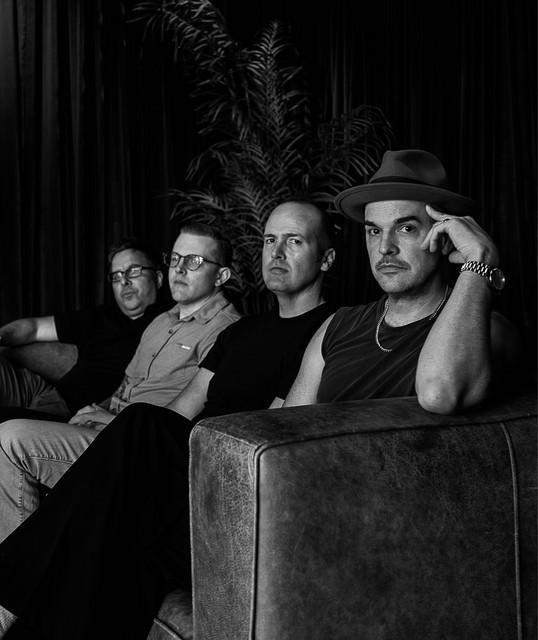
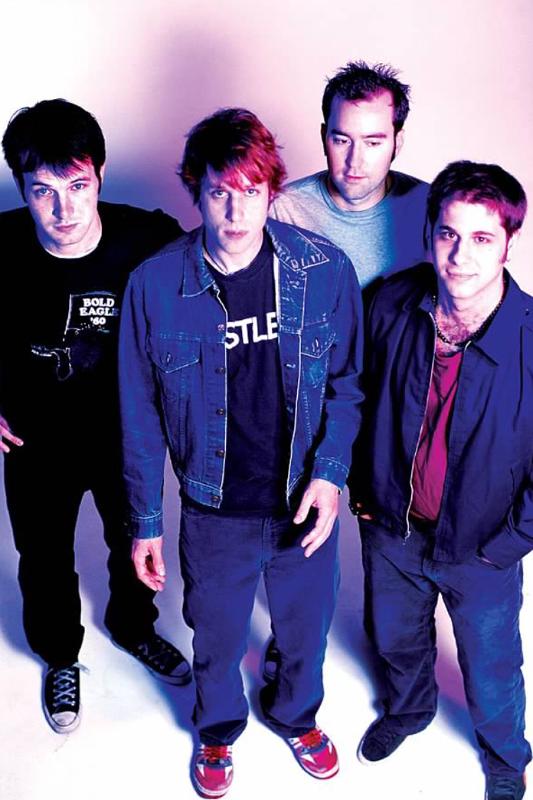
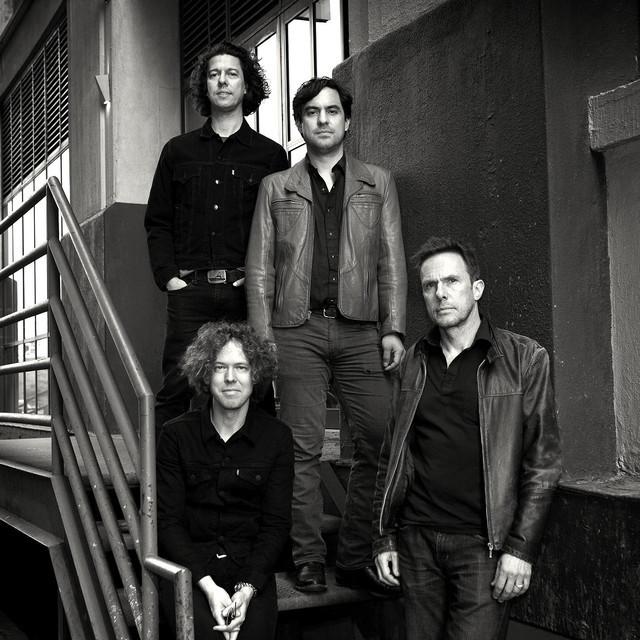
Longwave’s Spotify BioLongwave formed at the dawn of the New York indie rock resurgence in 1999. The Brooklyn-based band’s first release was the indie-distributed Endsongs. The band then signed to RCA Records where it released the Dave Fridmann-produced The Strangest Things. Longwave followed up with an EP, Life Of The Party, which was produced by Fridmann and future producer of The National, Peter Katis. The band would enlist John Leckie (Radiohead, XTC, and Stone Roses) to helm the production for the full-length There’s A Fire. In 2008 Longwave released Secrets Are Sinister, also produced by Katis, through Original Signal Recordings.
To support these releases the band toured throughout the world sharing billing domestically and overseas with their friends The Strokes. They’ve also toured with The National, The Vines, The Doves, bloc party, Blue October, OKGO, and Kasabian, among others.
The band hasn’t been active since 2009, but are gearing up to release a single, “Stay With Me”, and a new album to follow… in early 2019.
Viberate is a music analytics platform built for A&Rs, artist managers, labels, booking agents, marketers, and artists.
It helps music professionals track artist growth, analyze audience data, monitor playlist activity, compare artists, follow song performance, and identify opportunities across the music market.
Public artist pages provide a free preview of selected artist data. Paid plans provide access to deeper analytics, historical data, charts, comparisons, playlist tools, exports, alerts, reports, and additional professional features.
Yes. Public Viberate artist pages provide selected artist analytics and music data for free.
Viberate also offers a 7-day free trial of the full platform. A credit card is required to start the trial. The trial includes access to the complete product so users can test deeper artist analytics, historical views, playlist insights, comparisons, charts, exports, alerts, and reporting features before choosing a paid plan.
Viberate provides artist analytics across streaming, playlists, social media, video, radio airplay, songs, and audience markets.
Users can analyze Spotify performance, Spotify and Apple Music playlists, YouTube activity, TikTok and Instagram growth, radio spins, song performance, audience locations, demographics, rankings, and overall artist momentum.
Artist profiles also connect to music charts, similar artists, and comparison tools, helping users benchmark performance and evaluate artists in context.
Viberate updates key artist and track data daily.
For followed artists and tracks, selected data is refreshed multiple times per day. This helps teams monitor playlist changes, streaming movement, audience growth, releases, and campaign performance with more current data.
Update frequency can vary depending on the metric and data source.
Yes. Viberate lets users compare up to five artists side by side across streaming, social media, audience, and engagement metrics.
Users can compare fanbase growth, audience demographics, locations, Spotify performance, social metrics, and other artist data over selected time periods.
Artist comparison can be used for A&R scouting, benchmarking, booking decisions, campaign planning, and evaluating artists with similar audiences or market positions.