National Skyline

Rock
Indie Rock
Space Rock
 Viberate Rank: 451861
 Viberate Rank: 451861
 Monthly ListenersFollowers
 Subscribers
 Followers
 Followers
 FansTop Spotify Songs
| Track | 7-Day Streams | |
|---|---|---|
1 | 238 | |
2 | 158 | |
3 | 123 | |
4 | 54 | |
5 | 37 |
Top YouTube VideosMonthly ListenersFeatured in Playlists| Playlist | Followers | |
|---|---|---|
1 |  Love - TV Soundtrack (A Netflix Original Series) Tyler Ortega | 28.03K |
2 |  Love (Netflix) Soundtrack r | 15.21K |
3 |  🐁 avalon emerson's 9000 dreams in the Perpetual Emotional Machine✨ avalon emerson | 12.79K |
4 | ℝ𝕠𝕒𝕕 𝕋𝕣𝕚𝕡 Sue-z-q 🪐🌌 | 10.94K |
5 |  Love - Netflix Soundtrack Excelsior Recordings | 3.35K |
Audience| City | Monthly Listeners | |
|---|---|---|
1 | | 45 |
2 | | 36 |
3 |  | 22 |
4 | | 18 |
5 |  | 17 |
See full performance history, audience data, playlist activity, rankings, comparisons, and more in Viberate music analytics. Start with a free trial, then continue with a paid plan.
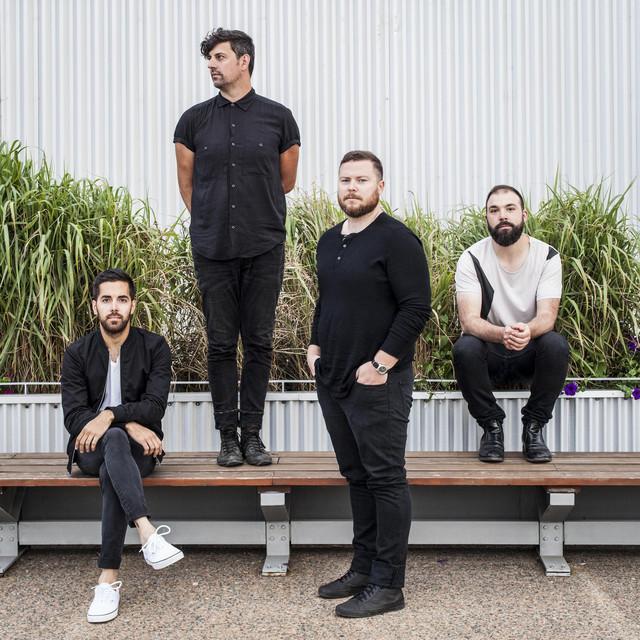
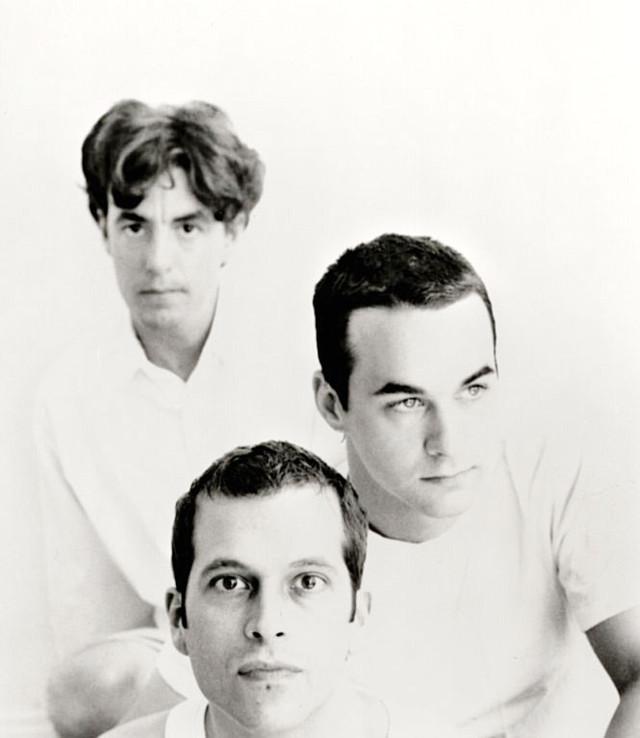
National Skyline’s Spotify BioNational Skyline's indie rock conceptions began as a solo project of Hum bassist Jeff Dimpsey. Beginning as an idea to create a 45-minute composition in his hometown, Champaign, IL, in 1996, National Skyline eventually became a composite band with an always-changing lineup. After getting together a set consisting of Nicky Macri, formerly with C-Clamp and Euphone, Derek Niedrighaus, previously with Castor and Sarge, and Jeff Garber, another former member of Castor, Dimpsey ultimately managed to materialize his unique song conception. Following various performances in both Champaign and Chicago, the existing members of Skyline eventually disbanded; however, Dimpsey and Garber decided to go on with the band.
Entering Dimpsey's home studio in late 1999, it was there that they composed what would be the unit's debut disc. National Skyline, the duo's first disc, appeared in early 2000 on the Hidden Agenda records label. Shortly afterwards, Dimpsey left and was substituted by Compound Red's… guitarist Jim Minor. The Illinois-born group then entered a long tour before releasing their second record, This Equals Everything, in May 2001. ~ Mario Mesquita Borges, Rovi
Viberate is a music analytics platform built for A&Rs, artist managers, labels, booking agents, marketers, and artists.
It helps music professionals track artist growth, analyze audience data, monitor playlist activity, compare artists, follow song performance, and identify opportunities across the music market.
Public artist pages provide a free preview of selected artist data. Paid plans provide access to deeper analytics, historical data, charts, comparisons, playlist tools, exports, alerts, reports, and additional professional features.
Yes. Public Viberate artist pages provide selected artist analytics and music data for free.
Viberate also offers a 7-day free trial of the full platform. A credit card is required to start the trial. The trial includes access to the complete product so users can test deeper artist analytics, historical views, playlist insights, comparisons, charts, exports, alerts, and reporting features before choosing a paid plan.
Viberate provides artist analytics across streaming, playlists, social media, video, radio airplay, songs, and audience markets.
Users can analyze Spotify performance, Spotify and Apple Music playlists, YouTube activity, TikTok and Instagram growth, radio spins, song performance, audience locations, demographics, rankings, and overall artist momentum.
Artist profiles also connect to music charts, similar artists, and comparison tools, helping users benchmark performance and evaluate artists in context.
Viberate updates key artist and track data daily.
For followed artists and tracks, selected data is refreshed multiple times per day. This helps teams monitor playlist changes, streaming movement, audience growth, releases, and campaign performance with more current data.
Update frequency can vary depending on the metric and data source.
Yes. Viberate lets users compare up to five artists side by side across streaming, social media, audience, and engagement metrics.
Users can compare fanbase growth, audience demographics, locations, Spotify performance, social metrics, and other artist data over selected time periods.
Artist comparison can be used for A&R scouting, benchmarking, booking decisions, campaign planning, and evaluating artists with similar audiences or market positions.