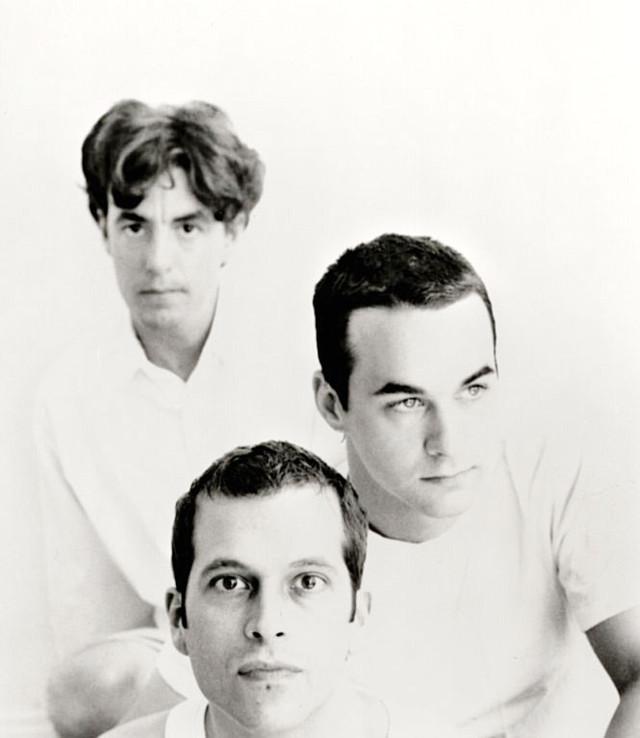
Helen Stellar

Rock
Indie Rock
Alternative Rock
Other Electronic Music
 Viberate Rank: 381312
 Viberate Rank: 381312
 Monthly ListenersFollowers
 Subscribers
 Followers
 Followers
 FansTop Spotify Songs
| Track | 7-Day Streams | |
|---|---|---|
1 | 1.97K | |
2 | 226 | |
3 | 98 | |
4 | 42 | |
5 | 33 |
Top YouTube VideosMonthly ListenersFeatured in Playlists| Playlist | Followers | |
|---|---|---|
1 |  Hipster BBQ Joey Ross | 17.02K |
2 |  Elizabethtown | Soundtrack Wendell Soares | 8.42K |
3 |  Elizabethtown (Complete Soundtrack) Martin Evertman | 7.38K |
4 |  KCRW Morning Becomes Eclectic Juan Vargas | 5.59K |
5 |  The Shoegazer Radio tuff-ghost | 2.42K |
Audience| City | Monthly Listeners | |
|---|---|---|
1 | | 66 |
2 | | 51 |
3 |  | 49 |
4 | | 48 |
5 |  | 48 |
See full performance history, audience data, playlist activity, rankings, comparisons, and more in Viberate music analytics. Start with a free trial, then continue with a paid plan.
Helen Stellar’s Spotify BioHelen Stellar is a Los Angeles–based indie band, formed in Chicago in the early 2000s, whose dreamy, reverb-washed sound fuses shoegaze textures with soaring, melancholic pop. Fronted by vocalist/guitarist Jim Evens alongside Clif Clehouse, Dustin Robles, and later Eli Lhymn, they first drew wide attention when KCRW’s Nic Harcourt championed their early EPs, leading to high-profile placements such as “IO (This Time Around)” in Cameron Crowe’s Elizabethtown, Henry Poole Is Here, and Love Happens, and an on-screen appearance in Gregg Araki’s Kaboom. Their 2010 album If the Stars Could Speak, They Would Have Your Voice solidified their reputation for luminous guitar work and emotional atmospherics, a sound they expanded in 2023 with the EP Moonlight Amnesia, whose songs introduced a striking sense of urgency—propulsive rhythms, sharper edges, and a restless emotional undercurrent—while still preserving the band’s signature dream-rock glow.
Viberate is a music analytics platform built for A&Rs, artist managers, labels, booking agents, marketers, and artists.
It helps music professionals track artist growth, analyze audience data, monitor playlist activity, compare artists, follow song performance, and identify opportunities across the music market.
Public artist pages provide a free preview of selected artist data. Paid plans provide access to deeper analytics, historical data, charts, comparisons, playlist tools, exports, alerts, reports, and additional professional features.
Yes. Public Viberate artist pages provide selected artist analytics and music data for free.
Viberate also offers a 7-day free trial of the full platform. A credit card is required to start the trial. The trial includes access to the complete product so users can test deeper artist analytics, historical views, playlist insights, comparisons, charts, exports, alerts, and reporting features before choosing a paid plan.
Viberate provides artist analytics across streaming, playlists, social media, video, radio airplay, songs, and audience markets.
Users can analyze Spotify performance, Spotify and Apple Music playlists, YouTube activity, TikTok and Instagram growth, radio spins, song performance, audience locations, demographics, rankings, and overall artist momentum.
Artist profiles also connect to music charts, similar artists, and comparison tools, helping users benchmark performance and evaluate artists in context.
Viberate updates key artist and track data daily.
For followed artists and tracks, selected data is refreshed multiple times per day. This helps teams monitor playlist changes, streaming movement, audience growth, releases, and campaign performance with more current data.
Update frequency can vary depending on the metric and data source.
Yes. Viberate lets users compare up to five artists side by side across streaming, social media, audience, and engagement metrics.
Users can compare fanbase growth, audience demographics, locations, Spotify performance, social metrics, and other artist data over selected time periods.
Artist comparison can be used for A&R scouting, benchmarking, booking decisions, campaign planning, and evaluating artists with similar audiences or market positions.