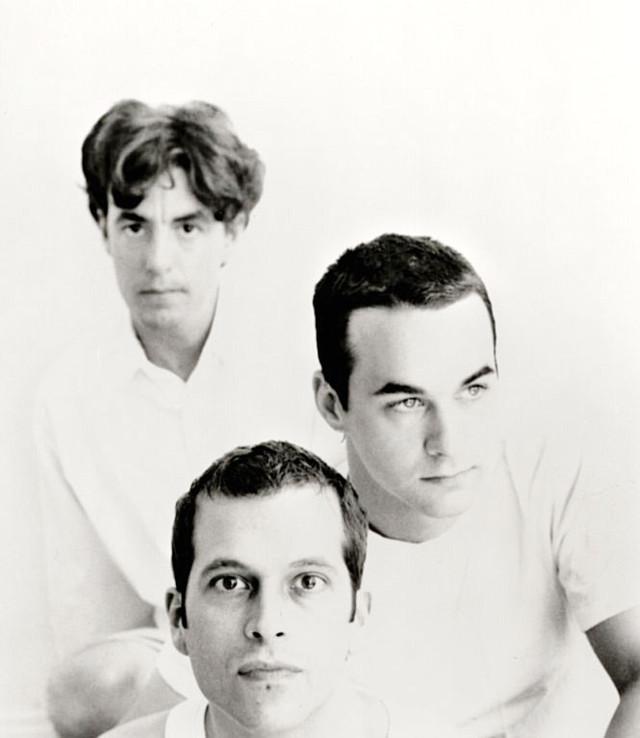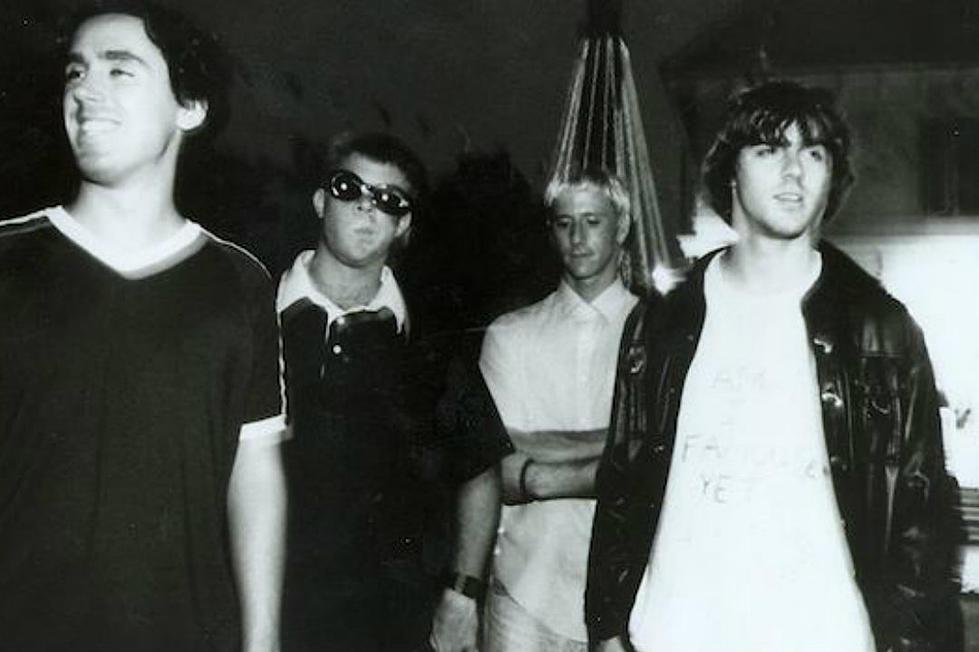
Creeper Lagoon

Rock
Indie Rock
Indie Pop
 Viberate Rank: 389891
 Viberate Rank: 389891
 Monthly ListenersFollowers
 Subscribers
 Followers
 Followers
 FansTop Spotify Songs
| Track | 7-Day Streams | |
|---|---|---|
1 | 1.00K | |
2 | 284 | |
3 | 252 | |
4 | 91 | |
5 | 85 |
Top YouTube VideosMonthly ListenersFeatured in Playlists| Playlist | Followers | |
|---|---|---|
1 |  The Sopranos Soundtrack - Full Playlist cullen_strang | 51.42K |
2 | The Sopranos Soundtrack matthewditta1999 | 37.28K |
3 |  Bertha's Breakfast Songs BriannaMadia | 23.87K |
4 |  i like music more than i like people Matt Nathanson | 10.33K |
5 | Vanilla Sky Soundtrack Full RefRick25 | 7.57K |
Audience| City | Monthly Listeners | |
|---|---|---|
1 | | 107 |
2 | | 100 |
3 | | 87 |
4 | | 69 |
5 | | 62 |
See full performance history, audience data, playlist activity, rankings, comparisons, and more in Viberate music analytics. Start with a free trial, then continue with a paid plan.
Creeper Lagoon’s Spotify BioThe Bay Area-based alternative rock quartet Creeper Lagoon comprised singer/guitarist Ian Sefchick, multi-instrumentalist Sharky Laguana, drummer David Kostiner, and bassist Geoffrey Chisholm (later replaced by Dan Carr). Their debut LP, I Become Small and Go, appeared on the Nickelbag label in 1998, and SPIN named them the best New Artist that same year. Watering Ghost Garden followed two years later; Take Back the Universe And Give Me Yesterday was issued in early 2001. The following summer, the band inked a deal with Arena Rock Recordings and prepped for an EP release within the coming months. Creeper Lagoon also contributed their version of "Why Me" to the Kris Kristofferson tribute album Nothing Left to Lose, which appeared on Incidental in October 2002. ~ Jason Ankeny, Rovi
Viberate is a music analytics platform built for A&Rs, artist managers, labels, booking agents, marketers, and artists.
It helps music professionals track artist growth, analyze audience data, monitor playlist activity, compare artists, follow song performance, and identify opportunities across the music market.
Public artist pages provide a free preview of selected artist data. Paid plans provide access to deeper analytics, historical data, charts, comparisons, playlist tools, exports, alerts, reports, and additional professional features.
Yes. Public Viberate artist pages provide selected artist analytics and music data for free.
Viberate also offers a 7-day free trial of the full platform. A credit card is required to start the trial. The trial includes access to the complete product so users can test deeper artist analytics, historical views, playlist insights, comparisons, charts, exports, alerts, and reporting features before choosing a paid plan.
Viberate provides artist analytics across streaming, playlists, social media, video, radio airplay, songs, and audience markets.
Users can analyze Spotify performance, Spotify and Apple Music playlists, YouTube activity, TikTok and Instagram growth, radio spins, song performance, audience locations, demographics, rankings, and overall artist momentum.
Artist profiles also connect to music charts, similar artists, and comparison tools, helping users benchmark performance and evaluate artists in context.
Viberate updates key artist and track data daily.
For followed artists and tracks, selected data is refreshed multiple times per day. This helps teams monitor playlist changes, streaming movement, audience growth, releases, and campaign performance with more current data.
Update frequency can vary depending on the metric and data source.
Yes. Viberate lets users compare up to five artists side by side across streaming, social media, audience, and engagement metrics.
Users can compare fanbase growth, audience demographics, locations, Spotify performance, social metrics, and other artist data over selected time periods.
Artist comparison can be used for A&R scouting, benchmarking, booking decisions, campaign planning, and evaluating artists with similar audiences or market positions.