Waysted

Rock
Hard Rock
Glam Metal
 Viberate Rank: 179971
 Viberate Rank: 179971
 Monthly ListenersFollowers
 Subscribers
 Followers
 Followers
 FansTop Spotify Songs
| Track | 7-Day Streams | |
|---|---|---|
1 | 3.03K | |
2 | 2.72K | |
3 | 850 | |
4 | 518 | |
5 | 456 |
Top YouTube VideosMonthly ListenersFeatured in Playlists| Playlist | Followers | |
|---|---|---|
1 | Glam Rock Hits of the 8O's Mats Mazze Wallin | 62.24K |
2 |  80’s Hair Metal & Rock halun1 | 40.35K |
3 | Sucessos Anos 80/90 yurigitahy | 21.61K |
4 |  ISTO É HOLLYWOOD Carlinhos Tardioli | 11.95K |
5 |  Hollywood Hits - Os Sucessos Bruno M. D. Semi | 9.48K |
Audience| City | Monthly Listeners | |
|---|---|---|
1 |  | 955 |
2 | | 319 |
3 | | 314 |
4 |  | 231 |
5 | | 222 |
See full performance history, audience data, playlist activity, rankings, comparisons, and more in Viberate music analytics. Start with a free trial, then continue with a paid plan.
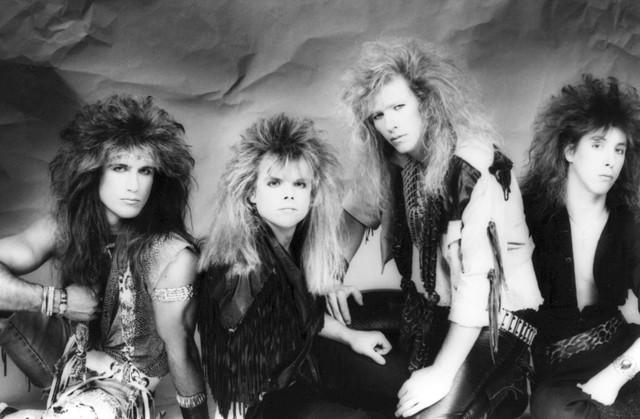
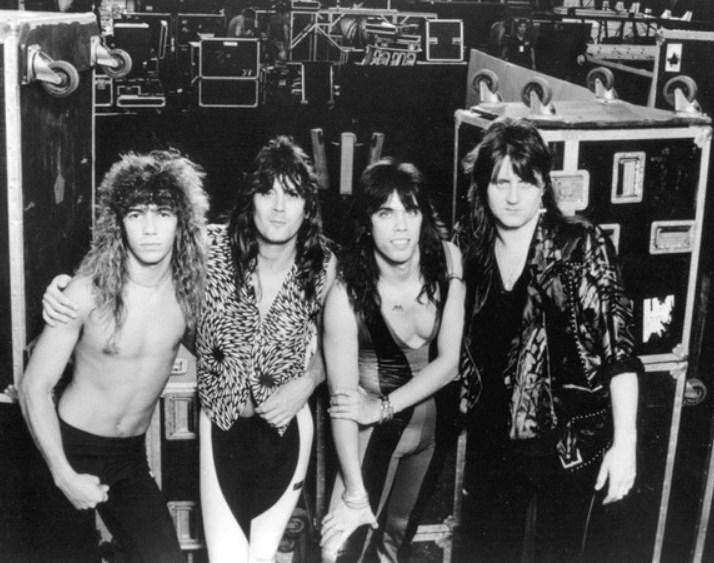
Waysted’s Spotify BioWaysted was a short-lived and rather obscure British heavy metal outfit from the mid-'80s. Led by former UFO bassist Pete Way (hence the spelling of the group's name), the band's original lineup consisted of another UFO alumni, guitarist/keyboardist Paul Raymond, in addition to guitarist Ronnie Kayfield, drummer Frank Noon, and a chap called Fin on vocals. The group's members would come and go often during their brief career (with Way being the only constant member), as Waysted issued a total of four albums -- 1983's Vices, 1984's self-titled release, 1985's The Good, the Bad, the Waysted, and 1986's Save Your Prayer -- in addition to opening tours for such notable '80s metal arena headliners as Dio and Iron Maiden. The group broke up shortly after their final album, as Way eventually resurfaced with a reunited UFO in the mid-'90s. ~ Greg Prato, Rovi
Viberate is a music analytics platform built for A&Rs, artist managers, labels, booking agents, marketers, and artists.
It helps music professionals track artist growth, analyze audience data, monitor playlist activity, compare artists, follow song performance, and identify opportunities across the music market.
Public artist pages provide a free preview of selected artist data. Paid plans provide access to deeper analytics, historical data, charts, comparisons, playlist tools, exports, alerts, reports, and additional professional features.
Yes. Public Viberate artist pages provide selected artist analytics and music data for free.
Viberate also offers a 7-day free trial of the full platform. A credit card is required to start the trial. The trial includes access to the complete product so users can test deeper artist analytics, historical views, playlist insights, comparisons, charts, exports, alerts, and reporting features before choosing a paid plan.
Viberate provides artist analytics across streaming, playlists, social media, video, radio airplay, songs, and audience markets.
Users can analyze Spotify performance, Spotify and Apple Music playlists, YouTube activity, TikTok and Instagram growth, radio spins, song performance, audience locations, demographics, rankings, and overall artist momentum.
Artist profiles also connect to music charts, similar artists, and comparison tools, helping users benchmark performance and evaluate artists in context.
Viberate updates key artist and track data daily.
For followed artists and tracks, selected data is refreshed multiple times per day. This helps teams monitor playlist changes, streaming movement, audience growth, releases, and campaign performance with more current data.
Update frequency can vary depending on the metric and data source.
Yes. Viberate lets users compare up to five artists side by side across streaming, social media, audience, and engagement metrics.
Users can compare fanbase growth, audience demographics, locations, Spotify performance, social metrics, and other artist data over selected time periods.
Artist comparison can be used for A&R scouting, benchmarking, booking decisions, campaign planning, and evaluating artists with similar audiences or market positions.