Tangier

Rock
Hard Rock
Glam Metal
 Viberate Rank: 167529
 Viberate Rank: 167529
 Monthly ListenersFollowers
 Subscribers
 Followers
 Followers
 FansTop Spotify Songs
| Track | 7-Day Streams | |
|---|---|---|
1 | 5.33K | |
2 | 2.54K | |
3 | 2.43K | |
4 | 2.17K | |
5 | 1.39K |
Top YouTube VideosMonthly ListenersFeatured in Playlists| Playlist | Followers | |
|---|---|---|
1 |  80's Hair Bands Greatest Hits Bob Sheridan | 64.07K |
2 |  80’s Hair Metal & Rock halun1 | 40.35K |
3 | jdgreen88 | 7.32K |
4 | 80s rock cult_fan | 6.10K |
5 |  Deep Cuts, Forgotten Gems & Classic Rock Gold Rick Kirby - music nerd | 5.63K |
Audience| City | Monthly Listeners | |
|---|---|---|
1 |  | 322 |
2 |  | 303 |
3 |  | 293 |
4 | | 283 |
5 |  | 247 |
See full performance history, audience data, playlist activity, rankings, comparisons, and more in Viberate music analytics. Start with a free trial, then continue with a paid plan.
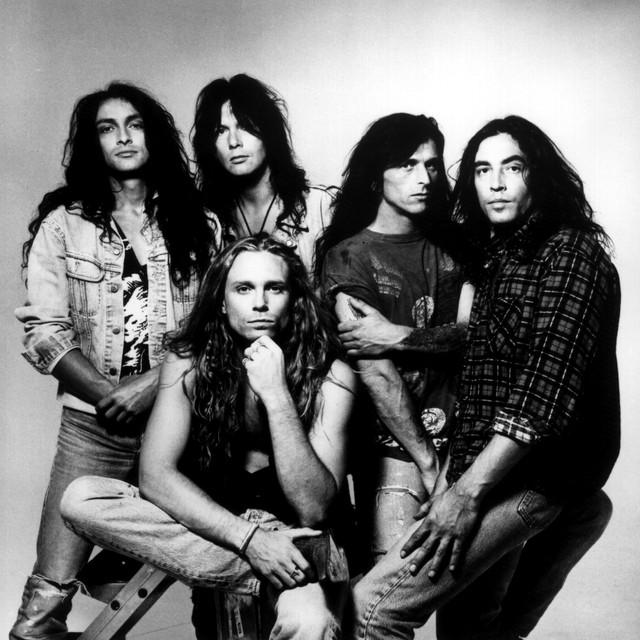
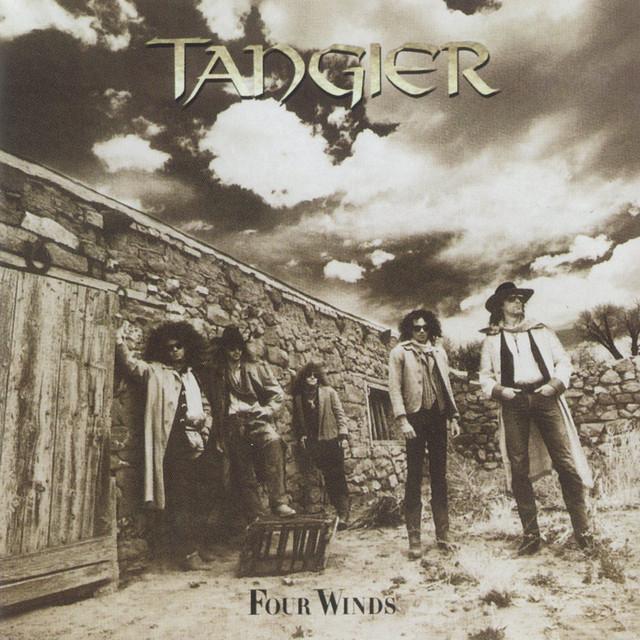
Tangier’s Spotify BioThis US hard rock outfit have a adopted a different style on each of their albums to date. Formed in 1984 by vocalist Bill Matson and guitarist/songwriter Doug Gordon, they initially played blues-based hard rock, which paid respect to Free, Molly Hatchet and Bad Company. With Rocco Mazella (guitar), Mike Kost (bass) and Mark Hopkins (drums) completing the line-up, they toured frequently but failed to make a breakthrough. Five years after formation, Matson and Gordon returned with Gari Saint (guitar) Garry Nutt (bass) and Bobby Bender (drums) to record Four Winds. The first act to be signed to Atco, the band offered a sophisticated sound which leaned towards mainstream AOR with blues undercurrents. Matson and Saint quit in 1990, with Mike Le Compte taking over vocal duties and the band contracting to a four-piece in the process. Stranded emerged the following year and saw the band diversifying their approach and toughening their act. The hybrid was a little awkward at time, but more… often achieved the desired end result of producing radio-friendly material with memorable choruses.
Viberate is a music analytics platform built for A&Rs, artist managers, labels, booking agents, marketers, and artists.
It helps music professionals track artist growth, analyze audience data, monitor playlist activity, compare artists, follow song performance, and identify opportunities across the music market.
Public artist pages provide a free preview of selected artist data. Paid plans provide access to deeper analytics, historical data, charts, comparisons, playlist tools, exports, alerts, reports, and additional professional features.
Yes. Public Viberate artist pages provide selected artist analytics and music data for free.
Viberate also offers a 7-day free trial of the full platform. A credit card is required to start the trial. The trial includes access to the complete product so users can test deeper artist analytics, historical views, playlist insights, comparisons, charts, exports, alerts, and reporting features before choosing a paid plan.
Viberate provides artist analytics across streaming, playlists, social media, video, radio airplay, songs, and audience markets.
Users can analyze Spotify performance, Spotify and Apple Music playlists, YouTube activity, TikTok and Instagram growth, radio spins, song performance, audience locations, demographics, rankings, and overall artist momentum.
Artist profiles also connect to music charts, similar artists, and comparison tools, helping users benchmark performance and evaluate artists in context.
Viberate updates key artist and track data daily.
For followed artists and tracks, selected data is refreshed multiple times per day. This helps teams monitor playlist changes, streaming movement, audience growth, releases, and campaign performance with more current data.
Update frequency can vary depending on the metric and data source.
Yes. Viberate lets users compare up to five artists side by side across streaming, social media, audience, and engagement metrics.
Users can compare fanbase growth, audience demographics, locations, Spotify performance, social metrics, and other artist data over selected time periods.
Artist comparison can be used for A&R scouting, benchmarking, booking decisions, campaign planning, and evaluating artists with similar audiences or market positions.